Burning dust smells can pop up after a house project, a wildfire event, or simply from accumulated dust burning off appliances. The odor is not just unpleasant; it can indicate dust buildup that should be addressed to protect indoor air quality. This guide walks through practical steps to reduce or eliminate the scent using common air purification tools and safe routines.
Quick Answer
Use an air purifier with carbon filtration to capture odors and dust particles, and run it continuously for 24–48 hours in the affected area. Ventilate when safe, turn off any source of heat, and clean surfaces to remove dust. For persistent smells, combine a HEPA purifier’s dust capture with a dedicated odor absorber for smoky smells.
What You’ll Need
- HEPA air purifier for dust and burning odor — captures fine particles and improves air cleanliness
- activated carbon odor absorber for smoky smells — neutralizes gases and odors
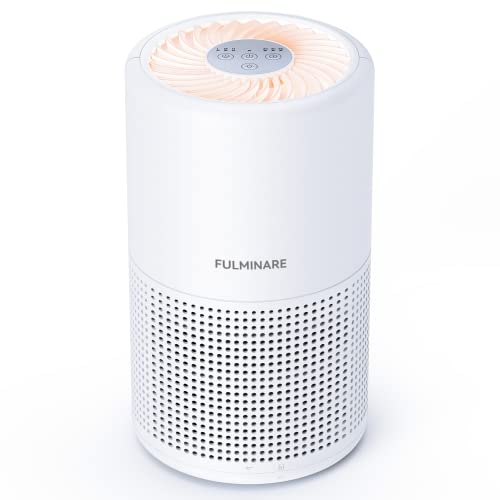
- air purifier with carbon filter for odors and dust — combines filtration with odor control
- ozone-free smoke odor eliminator purifier with HEPA — safe odor removal without ozone
- compact portable air purifier for small room dust smell — convenient for tight spaces
- Cleaning supplies: microfiber cloths, mild detergent, vacuum with HEPA filter
- Sealed plastic bags or trash bags for debris and disposable items


Before You Start
Assess the area: identify rooms where the burning smell is strongest and ensure ventilation is possible. Avoid running without fresh air if there is a potential fire or ongoing source of smoke. Move sensitive items, such as textiles or electronics, away from the source and cover with plastic if needed. Time estimates: expect 24–48 hours of active purging with continuous purifier use, plus 1–2 days of follow-up airing.
Step-By-Step: How To Eliminate Burning Dust Odors
- Close doors to isolate the affected area and reduce cross-diffusion of odors.
- Turn off any heating elements or devices that could be burning or releasing dust.
- Place a HEPA air purifier for dust and burning odor in the primary zone, and run on high for the first 12–24 hours.
- Set up an activated carbon odor absorber for smoky smells near the source or in the air path to adsorb odor molecules.
- Additionally deploy an air purifier with carbon filter for odors and dust to optimize odor control and dust removal.
- Keep windows slightly ajar or use exhaust fans to promote cross-ventilation if outdoor air is not heavily polluted.
- Wipe down all surfaces with a damp microfiber cloth to remove settled dust, then vacuum using a HEPA-equipped vacuum.
- Run the purifiers continuously for 24–48 hours, then monitor odor levels and air quality.
- If odor persists, reposition purifiers to target hot spots and run on a higher fan setting.
- Consider adding a ozone-free smoke odor eliminator purifier with HEPA to address lingering gases without creating ozone.
- After main odor control, keep purifiers in the space for another 24 hours on a lower setting to ensure residuals are captured.
- Clean or replace filters according to manufacturer guidance and seal any entry points where odors may re-enter.
Troubleshooting
| Symptom | Likely Cause | Fix | Prevention |
|---|---|---|---|
| Odor remains strong after initial run | Insufficient air exchange or odor trapped in porous materials | Increase purifier placement, add carbon-based absorber, and extend run time | Regular maintenance and proactive cleaning |
| Purifier seems noisy | High fan speed or loose parts | Check mounting, reduce speed if acceptable, tighten panels | Routine checks and proper placement away from walls |
| Dust appears around purifier | Dust collection on filters or poor sealing | Replace or clean filters, seal gaps | Keep area clean and dust-free before running purifier |
| Chemical-like odor persists after odor absorbers | Gas or VOCs not fully adsorbed | Use a purifier with activated carbon in combination with HEPA | Ventilate during non-peak hours and re-check filters |
Common Mistakes
- Running a purifier in a sealed room without any ventilation for extended periods
- Replacing one filter type with another without confirming compatibility
- Ignoring obvious sources of burning or smoke, such as a faulty appliance
- Relying on odor alone without addressing dust accumulation
Tips For Best Results
- Place purifiers away from walls to maximize airflow and filtration efficiency
- Use models with both HEPA filtration and carbon filtration for comprehensive particle and odor control
- Match purifier size to room volume; more space may require multiple units or higher capacity models
- Clean surfaces regularly to prevent re-entrainment of dust into the air
- Keep humidity moderate; extremely dry air can irritate lungs and spread dust
- Schedule maintenance reminders to replace filters before they become overloaded
Call A Professional
Seek professional help if odors persist beyond 72 hours or if there is concern about possible structural issues, mold growth, or electrical faults. Stop using any device suspected of causing the burning smell and contact a licensed HVAC technician or building professional for inspection. If there are health symptoms like dizziness, headaches, or respiratory distress, discontinue use and seek medical advice immediately.
FAQ
What is the fastest way to remove burning dust odor?
Immediately improve ventilation, run a high-capacity HEPA purifier with carbon filtration, and wipe down surfaces to remove dust.
Can an ozone-based purifier help with burning dust smells?
Ozone generators are not recommended for typical home use due to potential health risks; use ozone-free options with HEPA and carbon filtration instead.
Will cleaning alone remove the odor?
Cleaning helps reduce dust but does not fully address odor compounds; combine cleaning with odor-absorbing purifiers for best results.
How long should I run purifiers after a burning dust event?
Run them for at least 24–48 hours in the affected area, then reassess and extend as needed.
Buying Guide
Choosing the right air purifier to tackle burning dust smells involves weighing several factors. First, consider room size and unit capacity; a compact portable air purifier for small room dust smell is suitable for bedrooms or home offices, but larger spaces may require a higher-CADR model. Noise level matters for bedrooms and offices, so review decibel ratings and choose units with a sleep mode if sensitive to sound. Energy efficiency is essential for long-term use; look for ENERGY STAR certified models to minimize costs.
Controls and features, such as auto mode, filter life indicators, and filter replacement reminders, help maintain performance without guesswork. A purifier with a carbon filter for odors and dust handles both particles and smells, and an ozone-free purifier reduces health risks associated with ozone byproducts. Placement matters: keep purifiers away from walls, in central locations, and near sources of dust generation when possible.
When comparing models, think about filter maintenance costs and replacement intervals, lid design for easy filter access, and the availability of compatible filters. If multiple rooms experience odor, consider a portable model with sufficient coverage or a second unit. For smoke-heavy environments, a purifier with robust activated carbon adsorption and HEPA filtration is advisable.
In sum, the right combination of HEPA air purifier for dust and burning odor and activated carbon odor absorber for smoky smells will deliver the most reliable improvement, especially when paired with proper cleaning and ventilation. If in doubt, start with a compact, carbon-equipped purifier and scale up as needed to achieve cleaner air quickly.