Cleaning blinds can refresh a room’s appearance and improve light control. This guide walks American households through practical, safe steps to tackle different blind types—from Venetian to faux wood—using readily available tools and gentle cleaners. The goal is quick results with minimal disruption to daily life.
Quick Answer
For most blinds, start with a light dusting using a microfiber duster or a soft brush. Wipe with a damp microfiber cloth, or use a cleaning spray and wipe kit for wood and faux wood blinds. For stubborn grime, a mild solution on a sponge or a dedicated blind cleaning wand can lift residue without warping slats. Finish with a dry pass to remove moisture.
What You’ll Need
The following tools and materials cover common blind styles and finishes. Gather these before you begin to speed the process and minimize repeated trips.
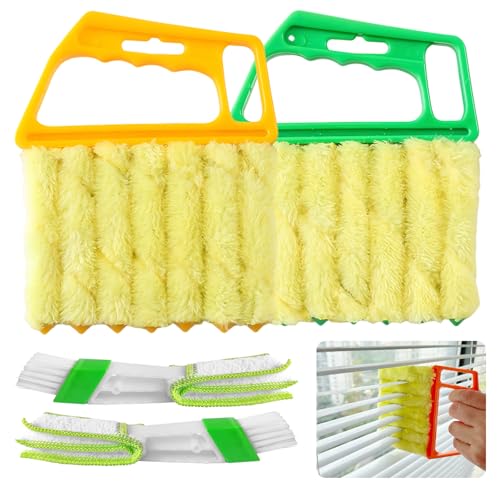
- Venetian blind cleaning brush tool microfiber
- blind slat duster with extension pole microfiber
- wood venetian blinds cleaning spray and wipe kit
- faux wood blinds cleaning sponge slat brush set
- electric blind wand duster for vertical blinds


Before You Start
Prepare the area by closing blinds halfway to expose slats without raising dust into the air. Lay down a drop cloth or old towels to catch debris and avoid staining floors. Disconnect any motorized controls if needed, or set them to a neutral position. Protect delicate finishes by testing a small hidden area with your cleaning solution first. Estimated time for a basic cleaning: 20–40 minutes depending on the number of blinds and size of the windows.
Step-By-Step: How To Clean Blinds
- Dust the slats with a Venetian blind cleaning brush tool microfiber or a blind slat duster with extension pole microfiber to remove surface dust.
- Wipe each slat from top to bottom using a microfiber cloth dampened with water or a mild cleaning solution suited for the blind type.
- For wood Venetian blinds, apply a few drops of the wood venetian blinds cleaning spray and wipe kit to a cloth and wipe each slat gently to avoid moisture soaking into wood.
- For faux wood or painted slats, use a faux wood blinds cleaning sponge slat brush set to lift grime without scratching surfaces.
- Clean the cords, ladders, and any vanes with a light, damp cloth. If exposed, wipe with care to avoid fraying.
- Don’t forget the headrail and bottom rail; wipe with a dry or slightly damp cloth to remove settled dust.
- Brush dust away from the edges of each slat, then use a dry microfiber cloth to remove any remaining moisture.
- Use an electric blind wand duster for vertical blinds to refresh tall vertical blinds by running the wand along each slat in a single pass.
- Inspect blinds for sticky spots. For stubborn residue, re-wipe with a clean cloth and a minimal amount of cleaner, then dry thoroughly.
- Return blinds to their expected position and test operation if electronically controlled. Reassemble any removed parts if needed.
- Repeat the process for all windows, taking breaks as necessary to avoid fatigue and ensure consistent cleaning.
Troubleshooting
| Symptom | Likely Cause | Fix | Prevention |
|---|---|---|---|
| Streaks after wiping | Moisture too high or dirty cloth | Wipe with a dry microfiber cloth; use minimal moisture | Use freshly laundered microfiber and light mist |
| Slats warp after cleaning | Excess moisture on wood | Stop cleaning with soaking wet cloth; dry immediately | Always wring cloth well and test a small area first |
| Dust resettles quickly | Underlying dust buildup or osmosis from cleaning solution | Increase frequency; use a microfiber tool with extension | Dust regularly, not just during deep cleans |
| Color fading on wood | Harsh cleaners or prolonged moisture | Switch to mild, wood-safe cleaners; limit exposure | Use products labeled for wood blinds |
Common Mistakes
- Using abrasive sponges or harsh chemicals on delicate slats
- Over-wetting wood blinds, causing warping or staining
- Skipping the headrail, which accumulates significant dust
- Neglecting vertical blinds, which accumulate dust along the entire length
Tips For Best Results
- Schedule routine cleanings every 1–3 months, depending on exposure to dust and cooking fumes.
- Use microfiber tools exclusively; they attract dust rather than push it around.
- For hard-to-reach areas, extend the cleaning pole or wand to minimize bending and risk to your back.
- Test cleaners on a hidden area before broader use, especially on wood finishes.
- Air out the room briefly after cleaning to dissipate any cleaner scent and moisture.
Call A Professional
Consider hiring a pro if blinds are severely stained, warped, or if window frames are difficult to reach. If you notice persistent moisture damage, peeling finishes, or mechanical issues with motorized blinds, professional service may prevent further damage and extend the blinds’ life.
FAQ
Can I clean blinds without removing them from the window?
Yes. For most blinds, cleaning in place with dusting tools and lightly dampened cloths is effective, though you may need to lower the blinds to access all slats.
What’s the best cleaner for wood blinds?
A dedicated wood venetian blinds cleaning spray and wipe kit is recommended for its formulated protection and finish care.
How often should I clean vertical blinds?
Vertical blinds benefit from a thorough wipe monthly and a quick dusting weekly to prevent heavy buildup.
Are there any blinds that require special care?
Fabric or woven shades require different treatment, typically vacuuming with a brush attachment or spot cleaning per the manufacturer’s guidelines.
Is it safe to use water on faux wood blinds?
Yes, with a lightly damp cloth and mild cleaner; avoid soaking the slats to prevent warping.
How can I remove stubborn stains quickly?
Apply a small amount of cleaner to a soft sponge or microfiber cloth, then gently rub the stain in a direction along the slat grain.
Should I use extension poles for all blinds?
Extension poles improve reach and reduce strain, especially for high or wide windows; use them with care.
Buying Guide
Choosing blinds involves several factors beyond cleaning needs. Consider width, height, and mounting style to fit your space and window frames. For noise considerations in movable blinds, look at the mechanism and materials; some systems are quieter and require less maintenance. Energy efficiency depends on the insulating value of the slats and the coatings used, which interact with indoor temperatures. Controls matter too—manual pull cords, light-dimming options, or motorized systems with remote or smart home integration. Placement affects cleaning accessibility and dust exposure; kitchens and living rooms may require more frequent care due to cooking grease and pet hair. When comparing options, think about how often you’ll clean, whether you prefer lightweight drapery or sturdy wood finishes, and how the blinds will perform in different rooms. The right combination balances aesthetics, ease of maintenance, and durability for a comfortable, well-lit home. Are you prioritizing ease of cleaning, or maximum light control and privacy? Your answers guide the best choice for your space.