Brass items can develop heavy tarnish and corrosion from exposure to moisture, acids, or sweat. With the right supplies and safe techniques, you can restore shine and protect the finish without damaging delicate surfaces. This guide outlines practical steps, tool lists, and professional tips for American homeowners and DIY enthusiasts.
Quick Answer
For heavy brass corrosion, start with a gentler cleaner to lift corrosion, then move to a more caustic option if needed. Always test on an inconspicuous spot, use non-abrasive pads, and avoid harsh chemicals on lacquered surfaces. Rinse thoroughly and dry to prevent new tarnish from forming.
What You’ll Need
- Brass corrosion remover gel
- Citric acid brass cleaner liquid
- Electrolytic brass cleaning kit
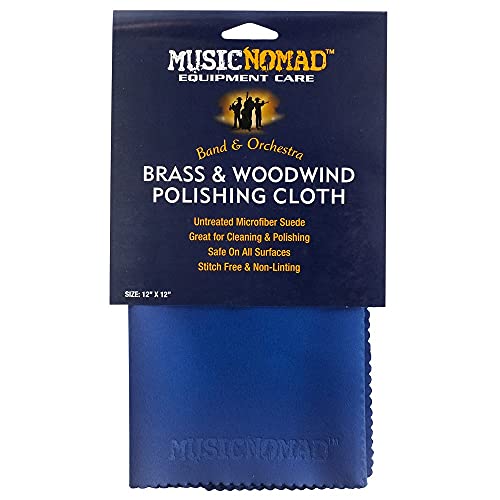
- Brass cleaner polish kit with microfiber cloth
- Non-scratch brass cleaning pads nylon


Before You Start
Assess the brass item: is it sealed with lacquer or varnish, or is it bare metal? Lacquered pieces require gentler treatment to avoid removing the protective coating. Clean in a well-ventilated area and wear gloves to protect skin from cleaners. For delicate or antique pieces, plan for extra time and avoid aggressive scrubbing. Time to complete varies by severity, typically from 15 minutes for light tarnish to several hours for deep corrosion, depending on method and tools.
Cautions to note: avoid metal baths on lacquered surfaces unless you confirm compatibility; never mix cleaners not specified for brass; always rinse thoroughly to remove residue; test a small area first; keep children and pets away from cleaners.
Step-By-Step: How To Clean Heavily Corroded Brass
- Prepare the workspace and lay down a soft towel to protect surfaces and catch drips.
- Gently wipe loose grime with a microfiber cloth to prevent scratching during treatment.
- Apply a small amount of brass corrosion remover gel to a non-scratch brush or nylon pad and rub in circular motions on the tarnished area.
- Rinse with warm water and dry the piece to assess progress. If heavy patina remains, switch to a citric acid brass cleaner liquid and apply with a clean pad or cloth.
- For stubborn spots, use an electrolytic brass cleaning kit following the manufacturer’s instructions, ensuring proper polarity and safety steps.
- Continue alternating between gentle polishing with the brass cleaner polish kit and microfiber cloth until the surface returns to a uniform tone.
- Rinse thoroughly again and dry completely. If the item is lacquered, avoid removing the existing coating and focus on the exposed brass only.
- Final polish with a soft cloth to restore luster and apply a light protective coating if recommended by the product instructions.
- Inspect for any remaining corrosion or dark spots. Repeat steps as needed, using the least abrasive method first to minimize surface wear.
- Store the item in a dry environment and consider periodic light cleaning to slow future tarnish buildup.
- Document the results and note any surface changes in case future refinishing is required.
Troubleshooting
| Symptom | Likely Cause | Fix | Prevention |
|---|---|---|---|
| Streaks or uneven color | Uneven cleaning or residues | Re-clean with a small amount of cleaner and wipe dry with microfiber | Apply a uniform, thin layer and keep to the metal surface |
| Surface smells strong or chemical | Overuse of cleaner or improper dilution | Rinse thoroughly and dilute cleaner next time as directed | Follow label instructions exactly |
| Brass looks dull after polishing | Polish residue or inadequate rinsing | Rinse well and buff with a clean cloth | Perform final wipe in a circular motion until shine returns |
| Black or green corrosion remains | Deeper patina or verdigris | Apply specialized brass cleaner gel/acid cleaner and repeat | Limit exposure time to avoid damage |
| Scratches appear on delicate finishes | Using abrasive pads | Switch to softer pads or cloth and reduce pressure | Test on hidden area first |
Common Mistakes
- Using abrasive brushes or pads on delicate brass surfaces
- Ignoring lacquered finishes and removing protective coatings
- Skipping a rinse step, leaving cleaner residues behind
- Overheating or over-diluting cleaners, which can cause damage
- Inadequate drying, which invites quick tarnish rebound
Tips For Best Results
- Test cleaners on a hidden area first to avoid irreversible damage
- Work in small sections for even results, especially on large pieces
- Use a microfiber cloth for final polishing to avoid micro-scratches
- Keep brass items away from moisture and humidity when not in use
- Store cleaners in their original containers and label them clearly
Call A Professional
Consider professional help if the item is antique, valuable, or has a delicate lacquer finish. Stop treatment and consult a restorer if any of the following occur: loss of original patina that you want to preserve, significant pitting, or if underlying metal shows signs of corrosion that might compromise structure. Seek a pro when you are unsure about the compatibility of chemicals with your item’s finish.
FAQ
Can I use lemon juice to clean brass?
Lemon juice is acidic and can work for light tarnish, but it may be too harsh for heavy corrosion or lacquered finishes. Use milder cleaners first and test a small area.
Is it safe to use metal polishing compounds on brass?
Non-scratch polishing pads and brass-specific polishes are safe if you follow the product directions and avoid coated surfaces unless specified.
How often should I clean brass items?
Clean as needed when tarnish appears. For frequently used objects, a light monthly wipe is often sufficient to prevent heavy build-up.
What should I do if tarnish returns quickly?
Assess humidity and exposure to moisture. Consider applying a protective finish or storing the item in a drier area to slow tarnish progression.
Buying Guide
When choosing products to clean heavily corroded brass, consider size of the item, the degree of corrosion, and whether the surface is lacquered. Look for clear instructions on safe use, especially for vintage pieces. Compare the following factors to narrow options:
- Brass corrosion remover gel vs citric acid brass cleaner liquid: gels can stay on vertical surfaces longer, liquids penetrate fast but may require quick rinse.
- Brass cleaner polish kit with microfiber cloth for finishing and protection, including a soft cloth and conditioning polish.
- Non-scratch brass cleaning pads nylon for gentle abrasion on stubborn spots without scratching.
- Electrolytic brass cleaning kit for deep pour-through or heavily corroded pieces, usually more involved and should be used with care.
- Consider surface finish: bare brass, lacquered brass, or antique patina—adjust methods accordingly.
Key factors include size, noise level (if using powered devices in a workshop), energy efficiency of any powered kit, control features, and placement safety. Are you cleaning a small heirloom or a large architectural fixture? Do you prefer a simple wipe-down or a deeper restoration with multiple steps? Choosing a versatile kit that covers cleaning, polishing, and protection will likely offer the best value for common brass corrosion scenarios.