Milk odors can cling to cups, especially porous surfaces or stubborn residue. With common kitchen tools and a few targeted cleaning steps, you can neutralize that smell and restore your cup to neutral, ready for beverages again.
This guide focuses on practical, American-friendly methods that avoid harsh chemicals while using everyday cleaning supplies and the listed product options to enhance results.
Quick Answer
Act quickly after a spill. Rinse with warm water, use baking soda or vinegar for odor, then scrub with a dedicated bottle/mug brush and a microfiber cloth. For persistent smells, activated charcoal odor absorbers can help between uses.
What You’ll Need
- Stainless steel bottle and cup cleaning brush set for stubborn interior surfaces
- Long-handled bottle brush for coffee mugs to reach deep inside tall or narrow cups
- Activated charcoal odor absorber for cups to neutralize lingering smells
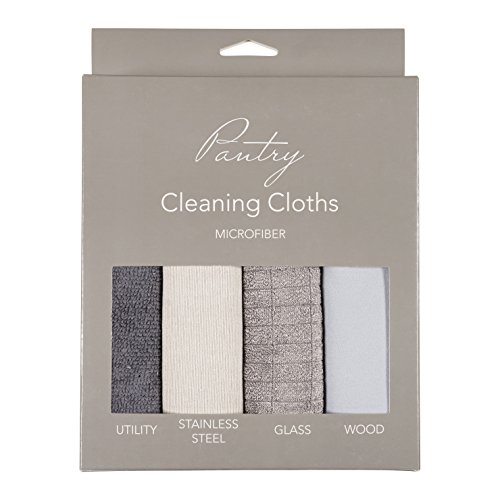
- Microfiber cup cleaning cloth set for mugs for wipe-downs and fragrance-free drying
- Dish sponge and scrubber dual pack for coffee cups for general scrubbing


Before You Start
Safety: ensure cups are dishwasher-safe if you plan to run cleaning cycles. If metal or coated surfaces show discoloration, switch to gentler methods. Time estimates vary; most odor removal sessions take 15–30 minutes for a routine cleanup, longer for stubborn smells. Important: avoid using bleach or ammonia on cups that contact food and drink.
Prep the area with a clean towel and rinse your cup thoroughly with warm water to loosen residues before applying cleaners.
Step-By-Step: How To Remove Spoiled Milk Smell From A Cup
- Rinse the cup with warm water, swishing to dislodge milk residue.
- Fill the cup with warm water and add 1–2 tablespoons baking soda, then swirl for 1–2 minutes.
- Rinse again and prepare a cleaning solution with a gentle dish soap and a splash of white vinegar if odor persists.
- Use the long-handled bottle brush to scrub the interior thoroughly, paying attention to the corners and lip.
- Rinse and repeat with the stainless steel bottle and cup cleaning brush set for extra interior scrubbing power if needed.
- Rinse well, then wipe the exterior with a microfiber cup cleaning cloth to remove any residual scent-causing oils.
- Place the cup upside down to air-dry completely. If odors persist, place a small sachet or open activated charcoal absorber near the cup (not inside it) for 24–48 hours.
- Re-check the scent after drying. If needed, repeat the baking soda rinse and air-dry again.
- For routine prevention, use the dish sponge and scrubber dual pack to wipe down after each use and store cups dry.
- Regular maintenance: run the cup through a gentle dishwasher cycle if it is dishwasher-safe, or hand wash with hot water and soap weekly to prevent odor buildup.
- For travel mugs, always rinse immediately after use and dry completely to prevent milk residue from bacteria growth.
Troubleshooting
| Symptom | Likely Cause | Fix | Prevention |
|---|---|---|---|
| Creamy film remains after washing | Residue buildup | Scrub with bottle brush and baking soda paste | Rinse promptly after use |
| Persistent sour odor | Odor absorbed into porous surfaces | Use activated charcoal near cup for 24–48 hours | Store cups with lid off to vent |
| Metal or plastic smell after cleaning | Chemical interaction or residue | Switch to warm water rinse and food-safe cleaners | Avoid harsh cleaners on food-contact surfaces |
| Stains on cup interior | Milk sugars caramelized by heat | Apply baking soda paste, scrub, and rinse | Pre-rinse with warm water before washing |
Common Mistakes
- Using hot water exclusively, which can set odors in some plastics
- Skipping thorough rinsing after cleaning with vinegar or baking soda
- Leaving cups damp in closed cabinets, inviting mildew
- Ignoring narrow-mouth cups that trap residues; use the appropriate brush
Tips For Best Results
- Use activated charcoal odor absorber for cups between uses to keep odors in check, especially in shared households
- Air-dry cups completely; moisture promotes odor and bacterial growth
- Alternate cleaning tools to prevent bacteria buildup on sponges and cloths
- Schedule a monthly deep clean for mugs and travel tumblers
Call A Professional
Consult a professional if a cup continues to retain odor after multiple cleanings, or if you notice visible mold, persistent staining, or a strong chemical smell that does not disappear with standard cleaning. Do not use the cup for food or drink until it is deemed safe by a professional.
FAQ
How do I remove milk smell from a stainless steel mug?
Rinse with warm water, scrub with a bottle brush, use baking soda or vinegar, then rinse thoroughly and dry. Activated charcoal can help for persistent odors.
Can I use bleach to clean my coffee cup?
No. Bleach is not recommended for cups that contact food and beverages. Use mild cleaners and food-safe options instead.
Will dish soap alone remove the smell?
Often not; combine dish soap with baking soda, vinegar, or charcoal for best odor removal results.
How long should I use an charcoal absorber?
Place a small amount near the cup for 24–48 hours, then reassess the odor. Replace as needed for ongoing freshness.
Is it safe to put mugs in the dishwasher?
Yes, if the cup is labeled dishwasher-safe. Use a gentle cycle and ensure items are not touching to prevent odors from transferring.
What are practical daily habits to prevent future odor?
Rinse immediately after use, dry thoroughly, and wipe with a microfiber cloth. Store cups with lids off to vent moisture.
What if the odor comes from a silicone lid or seal?
Wash these parts separately with warm soapy water or a brush. A vinegar rinse can help neutralize odors on seals.
Buying Guide
The Buying Guide helps compare key factors for choosing cleaning tools and odor-control products for cups and mugs:
- Size and compatibility: Choose brushes and cloths that fit your cup range, from travel tumblers to wide mugs.
- Noise level: Hand cleaners are quiet; powered brushes can be louder but faster for heavy buildup.
- Energy efficiency: Manual cleaning tools don’t consume energy; for powered brushes, look for energy-efficient models.
- Controls and features: Long-handled brushes reach narrow interiors; microfiber cloths provide scratch-free drying.
- Placement and storage: Compact brush sets store easily near sinks; consider magnetic holders or dedicated cups for drying.
When evaluating options, consider how often you clean, the types of cups you own, and whether you need a single solution or a multi-tool kit. For households with multiple cups, investing in a brush set plus odor absorbers can simplify routine maintenance and extend the life of clean, odor-free drinkware.