Cleaning the exterior bottom of a pan helps maintain its appearance and prevents corrosive residue from transferring to food. Proper care also extends the life of stainless steel and nonstick cookware. This guide provides practical steps using common kitchen tools and safe cleaners.
Quick Answer
Quick Method: Rinse the pan, apply a gentle cleaner, scrub with a non-scratch sponge or a dedicated cookware brush, rinse, and dry. For stubborn stains, use a paste or powder cleaner and a soft brush, then buff with a dry microfiber cloth.
What You’ll Need
- Stainless steel cookware cleaning brush for tough exterior grime
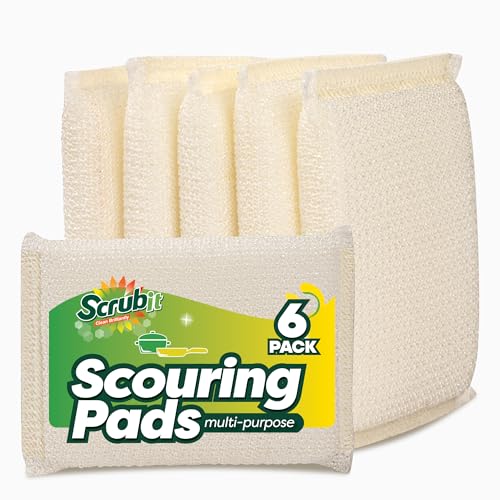
- Kitchen scouring pad set for pots and pans for moderate staining
- Non-scratch nylon scrub sponge for cookware to avoid scratching
- Pot and pan exterior cleaner spray to lift residue
- Bar Keepers Friend cookware cleaner powder for hard water spots and rust-prone areas


Before You Start
Before cleaning, ensure the pan is cool to the touch. Remove any loose food debris with a soft cloth. Protect surrounding surfaces from splashes by laying down a towel or mat. If the pan has a copper base or decorative finish, use gentler cleaners to avoid discoloration. Do not use abrasive pads on nonstick surfaces, and avoid strong solvents that can erode protective coatings. Plan about 5–15 minutes for routine cleaning or longer for heavily stained exteriors.
Step-By-Step: How To Clean The Outside Bottom Of A Pan
- Rinse the pan with warm water to loosen surface grime and dry with a soft towel.
- Spray a light coating of pot and pan exterior cleaner spray on the bottom surface and let it sit for 1–2 minutes.
- Gently scrub with a non-scratch nylon scrub sponge in circular motions to lift stuck-on residue.
- For stubborn spots, make a paste with Bar Keepers Friend cookware cleaner powder and water, apply, and scrub softly.
- Rinse thoroughly with warm water, removing all cleaner residues.
- Use a stainless steel cookware cleaning brush for very stubborn grime along the edges, applying light pressure to avoid scratching.
- Dry the exterior completely with a microfiber cloth to prevent water spots.
- Polish with a dry, soft cloth to restore shine, focusing on any dull areas.
- Repeat monthly or as needed for heavily used pans to maintain luster and protection.
- Store the pan in a dry area, away from direct heat or humidity to minimize staining.
- For ongoing protection, consider a monthly wipe-down with a small amount of oil to maintain the exterior finish.
- Inspect the bottom for scratches or discoloration and adjust cleaning frequency accordingly.
Troubleshooting
| Symptom | Likely Cause | Fix | Prevention |
|---|---|---|---|
| Cloudy or dull exterior | Residual soap or mineral deposits | Re-clean with cleaner powder and rinse thoroughly | Rinse well after every wash |
| Streaks after drying | Water minerals or improper drying | Dry immediately with a microfiber cloth; buff gently | Wipe while warm for better evaporation |
| Scratches on surface | Using abrasive tools on delicate finishes | Switch to non-scratch sponges; avoid steel brushes | Use soft tools and gentle pressure |
| Persistent rust at base edge | Exposure to moisture and mineral buildup | Apply Bar Keepers Friend powder, scrub, rinse | Keep dry and store in a ventilated area |
Common Mistakes
- Using abrasive pads on nonstick or polished finishes
- Letting cleaners sit too long on delicate surfaces
- Neglecting to dry thoroughly, leading to water spots and corrosion
- Overlooking the importance of rinsing completely, leaving residue
Avoid these missteps to keep the exterior looking new and prevent damage over time.
Tips For Best Results
- Match cleaner strength to the level of staining; start with milder products and escalate if needed.
- Use circular motions and moderate pressure to avoid gouging the surface.
- Test cleaners on a small, inconspicuous area first, especially on decorative finishes.
- Regular maintenance—a quick clean after cooking—prevents heavy buildup.
- For glossy finishes, finish with a light rub using a clean microfiber cloth for maximum shine.
Call A Professional
Consider a professional if the exterior shows deep pitting, heavy restoration needs, or if the pan has significant metal loss at the bottom or handle attachment. Contact a cookware repair specialist or the manufacturer if warranty considerations arise.
FAQ
Can I use vinegar to clean the outside bottom of a pan?
Vinegar can be effective for mineral deposits, but test on a small area first and avoid prolonged contact on delicate finishes.
Is Bar Keepers Friend safe for all cookware exteriors?
Bar Keepers Friend is suitable for many metals but check product labels for your pan’s finish and test first.
How often should I clean the exterior bottom?
Routine cleaning after heavy use is recommended, with deeper cleans monthly or as needed for stubborn buildup.
What should I do if my pan develops spots after cleaning?
Rinse thoroughly, dry completely, and buff with a microfiber cloth; if spots persist, reapply cleaner with gentle scrubbing.
Buying Guide
When choosing tools and cleaners for cleaning the outside bottom of a pan, consider size, material compatibility, and ease of use. A versatile kit often includes a stainless steel cookware cleaning brush for tough areas, a kitchen scouring pad set for pots and pans for moderate stains, and a gentle non-scratch nylon scrub sponge for cookware for everyday care. For persistent residues, a dedicated pot and pan exterior cleaner spray or a mild cleaner powder like Bar Keepers Friend cookware cleaner powder can be effective. Choose products labeled safe for your pan’s finish, whether stainless steel, copper-clad, or nonstick. Consider the noise, ease of use, and storage when evaluating kits. In terms of placement, keep cleaners away from heat sources and out of direct sunlight to preserve effectiveness. A routine, light cleaning routine reduces heavy buildup and protects the exterior finish over time. Do you want a quick-clean solution or a deep-clean routine that handles mineral deposits and dull finishes equally well? A balanced combination often offers the best results for American kitchens.