White scratches on a vehicle’s finish can be challenging, especially if they’re superficial or only affect the clear coat. This guide walks through practical steps to assess, prep, and restore the appearance using common detailing tools. By following methodical steps, most light abrasions can be minimized without professional intervention.
Quick Answer
For shallow white scratches, start with a dedicated car scratch remover kit and a microfiber cloth. If the scratch is deeper, use an orbital or dual-action polisher with a rubbing compound and polishing pads. Avoid aggressive agents on soft paints, and test any product on a hidden area first.
What You’ll Need
- car scratch remover kit polishing compound with microfiber cloths
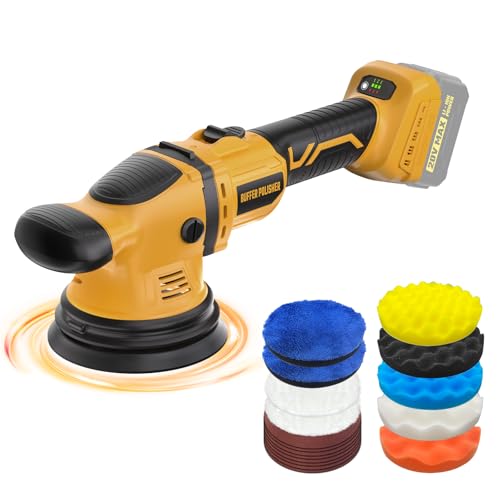
- dual action car polisher buffer kit with backing plate
- microfiber polishing cloth set for car detailing
- car paint scratch repair kit with rubbing compound and applicator pads
- orbital car polisher with polishing pads set


Before You Start
Clear the work area, park in shade, and wash the car thoroughly to remove dirt and debris that could cause further scratches. Dry with a clean microfiber towel. Inspect the scratch under bright light to determine depth: clear coat only or deeper into color. Always wear eye protection and gloves, and never compound in direct sun. Surface preparation and consistency are essential for even results and to avoid swirling.
Step-By-Step: How To Remove White Scratches From Car
- Clean the area around the scratch with soap and water, then dry completely.
- Apply a small amount of rubbing compound from the car paint scratch repair kit to a microfiber cloth or applicator pad.
- Gently rub the scratch in a circular motion, using light to moderate pressure, until the mark begins to fade.
- Wipe away residue with a clean microfiber cloth and inspect the area in bright light.
- If the scratch remains, switch to an orbital car polisher with polishing pads set or a dual action car polisher buffer kit with backing plate to apply a finer polishing compound.
- Repeat the polishing in small sections, ensuring even coverage and avoiding overheating the paint.
- Wipe clean, then apply a wax or sealant to restore gloss and protect the repaired area.
- For deeper scratches that reveal underlying primer, consider a dedicated touch-up or repaint process and test color-matching before large areas.
- Reinspect after 24 hours and, if necessary, repeat the polishing cycle on the affected patch.
- Finish with a microfiber cloth set for a final polish and a protective coating once the area is fully cured.
- Document the repair with photos for reference and future maintenance planning.
- Regular maintenance with a dedicated paint protection product can prevent new light scratches.
Troubleshooting
| Symptom | Likely Cause | Fix | Prevention |
|---|---|---|---|
| Scratch remains pale after polishing | Scratch penetrates clear coat | Proceed with a finer compound or color-matching repair | Protect surface with wax/sealant |
| Hazy or cloudy finish after polishing | Over-polishing or wrong pad | Switch to a fresh pad and lighter pressure | Use correct pad density for the compound |
| Swirl marks appear around repaired area | Rubbing compound residue or dirty cloth | Wipe with clean microfiber and re-polish | Keep cleaning cloths pristine |
| Scratch returns after a wash | Insufficient protective coating | Reapply wax/sealant and gentle wash | Regular maintenance schedule |
Common Mistakes
- Using aggressive compounds on a soft paint finish
- Skipping a test spot and applying products widely
- Overheating the paint with prolonged polishing
- Neglecting to remove all residues before re-polishing
- Failing to follow the product instructions or cure times
Tips For Best Results
- Test products on an inconspicuous panel before working on a prominent area.
- Work in small sections to maintain even results and avoid color mismatch.
- Use a dual action or orbital polisher for consistent pressure and heat control.
- Pair polishing with a high-quality microfiber cloth to minimize lint and scratches.
- Finish with a protective coating to extend the repair and maintain gloss.
Call A Professional
If the scratch is deep, you notice color loss, or the finish shows visible primer, it’s wise to contact an auto detailing professional. Seek help if the area requires repainting, color matching, or extensive color repair. Stop attempts if there is any metallic flake exposure, bubbling, or paint peeling, which indicate more serious bodywork needs.
FAQ
Can I fix white scratches with a basic scratch remover kit?
Light, clear-coat scratches often respond well to a dedicated remover kit, followed by polishing and sealing.
Is an orbital polisher necessary for all scratches?
No, shallow scratches can be treated by hand with rubbing compounds; an orbital polisher helps with deeper marks and even finish.
Will polishing damage my factory paint?
When used correctly with proper pads and low pressure, polishing should not damage factory paint; overuse or high pressure can cause issues.
How long should I wait after repairing before washing the car?
Follow product cure times, typically 24 hours, before exposing the surface to prolonged washing or harsh detergents.
Buying Guide
Choosing the right tools and products for removing white scratches depends on paint type, scratch depth, and maintenance goals. Consider these factors when shopping:
- Size and scope: for small touch-ups, a compact car scratch remover kit may suffice; larger areas may benefit from orbital or dual-action polishers.
- Noise level and comfort: consider a polisher with a comfortable grip and reasonable noise for longer sessions.
- Energy efficiency: battery-powered options offer portability, while corded tools often deliver consistent power for extended use.
- Controls and ease of use: choose models with variable speed, clear indicators, and simple operation for novice users.
- Placement and storage: select compact kits with organized cases for easy storage in a garage or trunk.
When comparing options, think about the level of finish you want and how often you’ll perform touch-ups. A well-chosen combination of a car scratch remover kit polishing compound with microfiber cloths and an orbital polisher set can cover most home repairs, while microfiber cloth sets and applicator pads ensure clean, precise work. If in doubt, start with the least aggressive method and scale up as needed.