Maintaining a clean non-skid boat deck improves safety, traction, and the overall appearance of a vessel. A combination of the right brushes, pads, and cleaning methods can remove dirt, algae, and oil without damaging the surface. This guide details practical steps for American boaters to restore grip and cleanliness using common marine tools.
From everyday maintenance to tough stains, following a proven routine helps extend the life of non-skid textures while minimizing work. The approach below emphasizes safe handling, effective cleaning agents, and equipment choices that align with typical deck materials found on recreational and small commercial boats.
Quick Answer
For most decks, start with a stiff nylon deck brush to scrub, then rinse with a hose or pressure washer at a safe distance. Use a marine non-skid cleaning pad or a microfiber pad for stubborn grime, and finish with a high-pressure wash nozzle from a comfortable distance. Always test a small area first and avoid harsh solvents that can degrade the surface.
What You’ll Need
Gather these tools and consumables before you begin. They’re designed to tackle dirt, salt, and organic growth without harming non-skid textures.
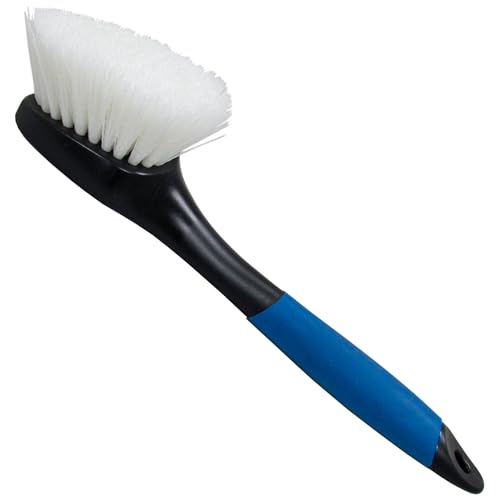
- Marine non-skid deck scrub brush stiff nylon 7 inch
- Telescoping boat deck cleaning brush non-slip surface
- Boat deck scrub pad non-skid cleaning pad marine grade
- High pressure washer nozzle for boat deck cleaning
- 2-in-1 deck brush marine non-skid cleaning with microfiber pad


Before You Start
Prepare the deck area by removing loose items and securing all hatches. Sweep or hose away loose debris to prevent scratching during scrubbing. Choose a mild, boat-friendly cleaner suitable for non-skid surfaces; avoid strong solvents that can degrade the texture or color. Test any cleaner on a small, inconspicuous area first to ensure compatibility. Allow the deck to dry fully between steps when possible. Safety note: wear eye protection and non-slip footwear, and avoid working on slick surfaces when wet to prevent slips.
Estimated time: 45–90 minutes for a typical mid-size deck, longer for heavily soiled surfaces or larger vessels.
Step-By-Step: How To Clean A Non-Skid Boat Deck
- Inspect the deck for damage or loose fasteners before cleaning, and note any areas that require extra attention.
- Rinse the surface with a light water spray to remove dust, salt, and loose debris.
- Apply a marine-grade cleaner formulated for non-skid surfaces and let it dwell according to the product instructions.
- Use the marine non-skid deck scrub brush stiff nylon 7 inch or the telescoping boat deck cleaning brush non-slip surface to scrub in a consistent pattern, working in small sections.
- For stubborn stains or organic growth, switch to the boat deck scrub pad non-skid cleaning pad marine grade or the 2-in-1 deck brush marine non-skid cleaning with microfiber pad, applying moderate pressure without damaging the texture.
- Rinse the deck thoroughly with a high-pressure washer nozzle for boats, keeping the nozzle at a safe distance to avoid gouging the surface. Use a sweeping motion to remove all cleaner residues.
- Pay attention to drain channels and grout-like textures in the non-skid pattern; repeat scrubbing and rinsing on transfer zones where dirt tends to accumulate.
- Allow the deck to dry completely. If the surface feels slippery after cleaning, re-scrub with minimal cleaner and a fresh rinse to remove slick residues.
- Inspect for any remaining stains or slippery areas and repeat targeted cleaning as needed.
- Once dry, consider applying a light, marine-safe sealer or non-skid conditioner if recommended by the deck material manufacturer.
Troubleshooting
| Symptom | Likely Cause | Fix | Prevention |
|---|---|---|---|
| Streaks after rinsing | Residual cleaner or soap left behind | Re-rinse thoroughly, using a wide nozzle | Rinse until clear water runs off |
| Surface feels rough or grooved | Excessive scrubbing or abrasive pad | Switch to a softer pad or lighter pressure | Use appropriate scrub tools for the surface |
| Persistent mold or mildew | Organic growth in texture pockets | Apply a mold-killing cleaner and scrub with the right pad | Regular maintenance and drying after use |
| Slippery after cleaning | Slick residues from cleaners | Rinse thoroughly and reapply clean water | Choose marine-safe cleaners and follow dwell times |
| Discoloration or fading | Harsh cleaners or UV exposure | Use pH-balanced cleaners and test on inconspicuous area | Follow manufacturer guidelines for cleaners |
Common Mistakes
- Using household bleach or harsh solvents on non-skid surfaces, which can degrade the texture and color.
- Scrubbing too aggressively with stiff pads, causing wear on the raised tread patterns.
- Rushing the rinse step, leaving cleaner residues that attract dirt and create slick spots.
- Neglecting to dry the deck, which encourages mold and slippery residues.
Tips For Best Results
- Work in shaded areas or on cooler surfaces to prevent cleaner from drying too quickly.
- Use a telescoping brush to reach into corners and along coamings without stepping onto slick surfaces.
- Alternate between a stiff nylon brush for scrubbing and a microfiber pad for gentler finishing touches.
- Routinely inspect non-skid surfaces for wear and consider periodic maintenance to preserve grip.
- Document cleaning intervals and products used for future reference and consistency.
Call A Professional
Seek professional help if the deck shows deep cracks, significant delamination of non-skid granules, or persistent staining that resists standard cleaning. Stop and contact a pro if you observe water intrusion, soft spots under the deck, or if cleaning requires pressure beyond the safe range specified by the surface manufacturer.
FAQ
What is the best brush for non-skid decks?
A stiff nylon deck brush, such as the marine non-skid deck scrub brush 7 inch, provides effective scrubbing without damaging the pattern.
Can I use a pressure washer on a non-skid deck?
Yes, but keep the nozzle at a safe distance and use a wide spray pattern to avoid gouging the surface.
What cleaners are safe for non-skid surfaces?
Choose marine-grade, pH-balanced cleaners designed for non-skid decks; avoid strong solvents and bleach-based products unless specified by the manufacturer.
How often should I clean a non-skid deck?
Regular light cleaning after each use plus a deeper clean monthly or seasonally, depending on usage and exposure to elements.
Is sealing the non-skid deck necessary?
Some manufacturers recommend a sealer or conditioner; follow the deck material guidelines to decide if sealing is appropriate.
What should I do about stubborn stains?
Reapply cleaner to the spot and scrub with a dedicated non-skid pad or microfiber pad, then rinse thoroughly.
What safety steps are essential?
Wear non-slip footwear, eye protection, and gloves; secure tools and avoid working on wet, slippery surfaces.
When should I call a professional?
If there are signs of structural damage, deep wear of the tread, or persistent staining that refuses standard cleaning methods, seek expert advice.
Buying Guide
Choosing the right tools and accessories to clean a non-skid deck involves considering deck material, foot traffic, and cleaning frequency. Here are key buying factors to help make informed decisions.
- Size and reach: Select a deck brush with an appropriate head size and, if needed, a telescoping handle to reach corners safely.
- Brushing surface: Use stiff nylon for heavy scrubbing and softer options for finishing touches to avoid surface wear.
- Cleaning pad options: Marine-grade non-skid cleaning pads or microfiber pads offer different levels of abrasiveness and residue pickup.
- Attachment compatibility: Ensure brushes and pads fit your cleaning tools and any compatible handles or poles.
- Water delivery: A compatible high-pressure washer nozzle can boost cleaning efficiency when used properly.
- Surface compatibility: Verify cleaners are safe for your deck’s non-skid texture and color to prevent damage or fading.
- Maintenance frequency: Consider how often you clean and whether you want tools designed to resist wear from salt and sun exposure.
- Noise and energy use: If you plan to clean in exposed areas, choose tools and methods that minimize noise and energy consumption.
- Placement and storage: Keep brushes, pads, and cleaners in a dry, accessible spot on or near the boat for quick access.
Wondering about specific product fits? The listed items cover common deck-cleaning scenarios and are representative of available marine tools. When choosing, align the tool’s stiffness, reach, and surface compatibility with your boat deck’s non-skid texture for optimal results.