Microfiber rags are prized for their lint-free cleaning and high absorbency. With proper care, they can maintain effectiveness wash after wash. This guide provides clear steps, safe detergents, and practical tips tailored for U.S. households.
By following best practices, users can extend the life of microfiber cloths and avoid common residue or fabric damage that reduces performance.
Quick Answer
Best routine: rinse, wash separately from lint-prone fabrics, use a detergent that is safe for microfiber, air-dry or tumble-dry on low heat, and avoid fabric softeners or chlorine bleach.
What You’ll Need
- Mesh laundry bag for microfiber cloths
- Color-safe detergent for microfiber rags
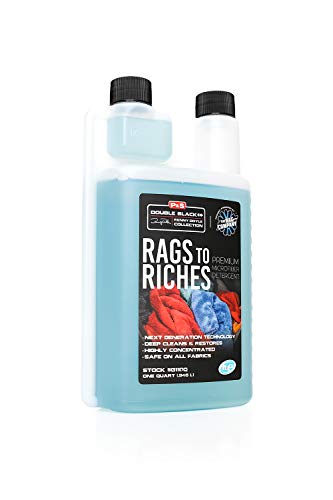
- No-residue laundry detergent for microfiber cloths
- Lint-free drying rack for microfiber towels
- Air-dry rack for microfiber cloths drying


Before You Start
Prepare a dedicated wash routine for microfiber rags to prevent lint transfer. Do not mix with heavily soiled towels or clothes that shed fibers. Use cool to warm water, not hot, to preserve fiber integrity. Avoid fabric softeners, dryer sheets, and chlorine bleach, which can reduce absorbency and leave residue.
Estimated time for a typical cleaning cycle: 20–40 minutes, plus drying time. Plan extra time for large batches.
Step-By-Step: How To Clean Microfiber Rags
- Rinse rags under running water to remove loose debris before washing.
- Place microfiber rags in the class=”hint”>mesh laundry bag for microfiber cloths to protect fibers in the wash.
- Run a wash cycle in cool to warm water using class=”hint”>no-residue laundry detergent for microfiber cloths or class=”hint”>color-safe detergent for microfiber rags at a normal detergent amount.
- Avoid washing with towels or fabrics that shed fibers to minimize lint transfer.
- Skip fabric softeners entirely; they leave residue and reduce absorbency.
- Rinse once more with clean water if the rinse cycle seems soapy or if residue is visible.
- When the wash finishes, transfer rags to a class=”hint”>lint-free drying rack for microfiber towels or an class=”hint”>air-dry rack for microfiber cloths drying.
- Allow rags to air dry completely in a well-ventilated area, or use the dryer on a low heat setting if necessary.
- Inspect rags for remaining residue; if present, repeat a wash with a cleaner rinse cycle.
- Store dry microfiber rags in a clean, dry container away from dust and moisture.
- For best results, wash microfiber rags separately from other fabrics that may shed fibers or leave lint behind.
- Set a routine: wash microfiber rags after several uses or when visibly dirty to maintain peak performance.
Troubleshooting
| Symptom | Likely Cause | Fix | Prevention |
|---|---|---|---|
| Cloth leaves lint on surfaces | Washed with lint-prone fabrics | Wash separately; use a mesh bag | Maintain separate wash cycles |
| Residue or film on rags after wash | Over-application of detergent or residue buildup | Use no-residue or color-safe detergent; run extra rinse | Measure detergent; avoid overdosing |
| Loss of absorbency | Use of fabric softeners or high heat drying | Remove softeners; dry on low heat or air dry | Skip softeners; use air-dry methods |
| Cloths smell after washing | Stale water or insufficient rinsing | Run an extra rinse. Consider a 2-cycle wash | Ensure complete drainage and rinse cycles |
Common Mistakes
- Using fabric softeners or dryer sheets on microfiber rags
- Washing microfiber with towels or clothes that shed fibers
- Washing in hot water, which can degrade fibers over time
- Skipping the mesh bag, leading to fiber fraying and lint release
Tips For Best Results
- Always use a detergent designed for microfiber to minimize residue.
- Rinse rags thoroughly to prevent streaks during cleaning tasks.
- Air drying preserves fiber structure and absorbency best; if using a dryer, choose a low heat setting.
- Regularly inspect rags for wear; replace heavily frayed cloths to prevent lint transfer.
- Label a dedicated, washable storage bin for microfiber rags to keep them organized.
Call A Professional
Professional cleaning is not typically required for routine microfiber rag maintenance. Seek professional help if rags sustain persistent odor, stubborn residues, or physical damage beyond standard care, especially if rags are used in critical cleaning tasks or hazardous environments.
FAQ
Can I wash microfiber rags with other fabrics?
It is best to wash microfiber rags separately from lint-prone fabrics to prevent fiber transfer and residue buildup.
What detergents are safest for microfiber rags?
Use no-residue detergents or color-safe detergents formulated for microfiber to maintain absorbency and performance.
Should I use hot water to clean microfiber rags?
Aim for cool to warm water; hot water can shorten fiber life and increase residue buildup.
How often should I replace microfiber rags?
Replace when fibers become frayed, stained, or lose absorbency despite proper cleaning.
Is fabric softener ever okay for microfiber?
No—fabric softeners and dryer sheets leave coatings that reduce absorbency and lint pickup.
Can I machine-dry microfiber rags?
Yes, on a low heat or air-dry setting to preserve fiber integrity.
Buying Guide
When selecting microfiber rags and related supplies, consider size, lint characteristics, and compatibility with cleaning tasks. Key buying factors include:
- Size and density: Larger rags cover more surface area; dense weaves absorb more water.
- Material quality: High-grade microfiber minimizes lint and improves durability over repeated washes.
- Detergent compatibility: Choose detergents labeled for microfiber to avoid residue buildup.
- Drying options: A lint-free drying rack or air-dry setup helps maintain fiber integrity; avoid high heat.
- Storage and organization: Use mesh bags or dedicated containers to keep rags clean and ready.
For a balanced setup, pair microfiber rags with a dedicated mesh laundry bag, appropriate detergents, and a reliable drying rack. Evaluate your cleaning tasks—dusting, windows, or general surfaces—and select rags with weave and size that match those jobs. Consider how you’ll store and rotate the rags so the most-used cloths stay in easy reach. If multiple households use microfiber, label bags or bins to prevent cross-contamination.