Purchasing a fur coat secondhand can be a smart way to add luxury at a lower cost. Cleaning thrift store fur coats properly helps preserve their texture, warmth, and value. This guide covers practical, safe methods using common tools, with an emphasis on real fur and hinting at appropriate products.
Quick Answer
Gently remove surface dust with a soft brush, spot-clean stains with a fur-safe cleaner or damp cloth, and use a garment steamer on low heat to refresh the fur. Finish with a deodorizer spray and a light brush to restore pile. Avoid soaking, high heat, or aggressive scrubbing that can damage the fur.
What You’ll Need
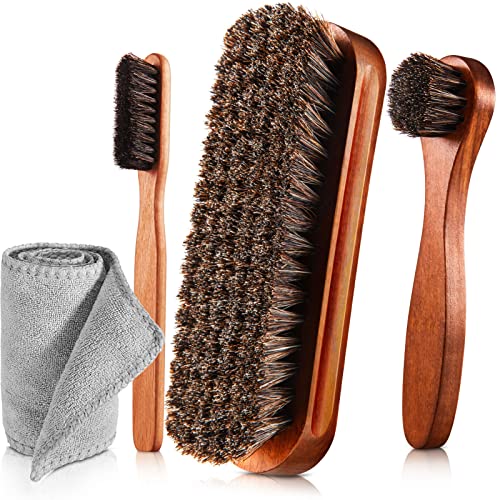
- real fur coat cleaning brush set
- shearling coat cleaning kit lint roller
- mink fur coat lint roller and brush
- garment steamer for real fur coats
- fur deodorizer spray for real fur coats


Before You Start
Inspect the coat for tears, loose seams, or missing fasteners. Check for strong odors or signs of moth damage. Work in a well-ventilated area away from direct sunlight. A light test on a hidden area is recommended to ensure colorfastness and fur integrity. Expect a cleaning session to take 30–60 minutes depending on fur length and condition. Do not use water directly on most furs; moisture can cause matting and damage.
Step-By-Step: How To Clean A Fur Coat From Thrift Store
- Lay the coat flat on a clean, padded surface to prevent pressure on the fur.
- Gently brush the fur with a soft brush to remove loose dust and restore pile direction.
- Spot-clean any stains using a mild, fur-safe cleaner or a damp cloth; blot—do not rub—to lift grime.
- Address odor by applying a light mist of fur deodorizer spray, keeping a safe distance from the fur and testing first.
- Use a garment steamer on low heat from a distance to gently loosen flattened fur; avoid direct contact with the fur skin.
- Brush again to lift pile and restore sheen, paying attention to the collar and cuffs where wear is common.
- For stubborn areas, use a mink fur coat lint roller and brush in gentle, short strokes to lift hair and fibers.
- Spot-treat linings with a clean cloth if needed, then allow the coat to air dry completely in a ventilated area.
- Store the cleaned coat on a broad-shouldered hanger in a breathable garment bag if possible.
- Occasionally repeat brushing and deodorizing every few months to maintain freshness and luster.
- Inspect for signs of moths or moisture after cleaning; repeat a light cleaning cycle as necessary.
- If the fur appears matted or heavily damaged, consider professional cleaning to avoid permanent harm.
Troubleshooting
| Symptom | Likely Cause | Fix | Prevention |
|---|---|---|---|
| Flat, dull fur after cleaning | Over-wetting or heat exposure | Limit moisture, use low heat with steamer | Test in hidden area first; brush gently |
| Stiff or crunchy texture | Residue from cleaners | Blot with clean cloth, brush gently | Use only fur-safe products |
| Strong odor remains | Persistent odor molecules | Apply fur deodorizer, air out longer | Shade storage and regular airing |
| Visible shedding or loose hairs | Wear or improper cleaning | Use mink fur coat lint roller and brush | Gentle handling, proper storage |
Common Mistakes
- Using household detergents or soaking fur coats in water
- High heat from irons, hair dryers, or very hot steam
- Rubbing stains aggressively, which can damage base hair
- Ignoring odors or moth damage, assuming fur is durable without care
Tips For Best Results
- Brush in the direction of hair growth to maintain smooth texture.
- Test any cleaner on a hidden seam before full application.
- Use a dedicated fur deodorizer spray designed for real fur coats and apply sparsely.
- Store fur coats in breathable covers and away from direct sunlight or heat sources.
- Keep a lightweight lint roller on hand for quick touch-ups between cleanings.
Call A Professional
Seek professional cleaning if the coat has significant stains, persistent odors, mold, or visible damage such as tears or loose seams. Stop using home methods if you notice color bleeding, a change in texture, or alarming signs of moth activity. A professional chemist or furrier can assess and restore the coat without compromising integrity.
FAQ
Can I clean a fur coat at home?
Light cleaning with fur-safe tools is possible, but deeper cleaning or odor removal is best left to professionals to avoid damage.
How often should I clean a thrift-store fur coat?
Inspect and brush monthly; a thorough cleaning every 6–12 months, depending on storage and use, helps maintain condition.
What should I avoid using on real fur?
Avoid water immersion, harsh solvents, and high heat sources that can dry out or mat the fur.
Is deodorizing fur coats safe?
Yes, when using a product specifically formulated for real fur, applied sparingly and tested first.
Buying Guide
When selecting a fur coat, consider size, type of fur, and overall condition. Real fur varies in warmth, weight, and texture, so choose a coat that fits properly and flatteringly. Noise level and energy considerations do not apply to this item. Look for straightforward controls in care products; choose one that works with your preferred cleaning routine. Placement matters: store in a cool, dry, well-ventilated area away from sunlight. Compare brands based on the availability of a fur-safe cleaner, a reliable deodorizer, and a lint-rolling kit designed for fur maintenance. Assess long-term value by evaluating stitching, lining condition, and the potential need for professional cleaning in the future. If you’re unsure, consult a furrier for an evaluation before committing to cleaning methods or storage solutions.