Plaque buildup on dogs can lead to tartar, bad breath, and dental disease if not addressed. This guide explains practical, at-home steps using common pet dental tools to remove surface plaque and maintain oral health. It combines careful brushing routines with appropriate tools to support your dog’s dental wellness.
Quick Answer
For most dogs, start with a gentle brushing routine using a dog-specific dental kit and a rubber finger brush, then supplement with a pet dental scaler tool or ultrasonic scaler for stubborn plaque. Regular brushing (most days) and periodic professional cleanings when recommended by a veterinarian offer the best long-term results.
What You’ll Need
- Ultrasonic dog dental scaler
- Dog dental cleaning kit with toothbrush and finger brush
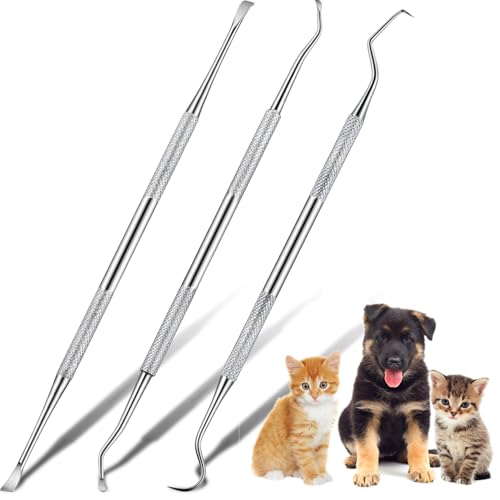
- Pet dental scaler tool for dogs
- Dog plaque removal dental brushing kit
- Rubber finger toothbrush for dogs dental cleaning


Before You Start
Before attempting at-home plaque removal, ensure your dog is calm and comfortable with handling of the mouth. Work in a quiet area and use a soft touch to avoid gum irritation. Do not use human toothpaste; opt for dog-safe toothpaste. If your dog resists, pause and acclimate with short sessions. If any severe toothache, bleeding gums, or loose teeth are observed, contact a veterinarian promptly.
Time estimate: 5–15 minutes per session, depending on the dog’s tolerance and current dental condition. Schedule multiple gentle sessions weekly to build trust and effectiveness.
Step-By-Step: How To Remove Dog Plaque
- Acclimate your dog to the brushing routine using treats and positive reinforcement, first touching the muzzle and lips gently.
- Apply dog-safe toothpaste to the brush or finger brush and let the dog taste it to reduce resistance.
- Use the rubber finger toothbrush to rub along the outer surfaces of the upper and lower teeth in small circular motions.
- Focus on the back molars and canine teeth where plaque tends to accumulate; avoid excessive pressure near the gums.
- When plaque persists, use a pet dental scaler tool for light scraping of the visible surfaces, following the tool’s instructions and maintaining a shallow angle.
- Pause if the dog becomes stressed; take a break and resume later. Reward progress with praise and a treat.
- Rinse the mouth with water or allow the dog to drink water after brushing to remove loosened debris.
- Repeat the routine 2–3 times per week, increasing frequency as your dog becomes accustomed to brushing.
- Combine brushing with chews or dental treats that are veterinarian-approved to support overall dental health.
- Store tools in a clean, dry place to prevent contamination and maintain hygiene between uses.
- Schedule regular veterinary dental checks to assess progress and determine if professional cleaning is needed.
Troubleshooting
| Symptom | Likely Cause | Fix | Prevention |
|---|---|---|---|
| Dog resists brushing | Anxiety or sensitivity around mouth | Short, positive sessions; desensitize with gradual touch | Start early; use tasty toothpaste and rewards |
| Bleeding gums during brushing | Worn enamel or gingivitis | Limit pressure; consult a vet if bleeding persists | Gentle technique; proper brushing angle |
| Persistent bad breath | Plaque below the gumline or dietary factors | Increase brushing frequency; check feeding routine | Regular dental checkups; vet-recommended dental diets |
| Tool clogging or rustling noise | Improper cleaning or incompatibility with coat | Clean tools after use and dry completely; replace worn tools | Inspect tools before each use and replace as needed |
Common Mistakes
- Using human toothpaste or mouthwash, which can irritate a dog’s mouth.
- Brushing too hard, causing gum irritation or bleeding.
- Skimping on regular brushing and relying only on chews.
- Forcing tools into the mouth; use a slow, patient approach.
Tips For Best Results
- Establish a daily routine during the same time each day to build habit.
- Pair brushing with treats to create a positive association.
- Alternate between brushing and gentle scaling to manage stubborn plaque.
- Keep tools clean and dry between uses to prevent bacterial growth.
- Consult a veterinarian if tartar buildup remains despite consistent at-home care.
Call A Professional
Professional dental cleaning may be necessary if plaque is heavy, tartar forms below the gumline, or if there is persistent bad breath despite at-home care. Seek a veterinarian’s evaluation if the dog shows signs of tooth pain, drooling, or reluctance to eat. In cases of dental disease, a professional cleaning under anesthesia or other treatment options may be required.
FAQ
Can I use baking soda to clean my dog’s teeth?
Home remedies like baking soda are not recommended; they can be abrasive and cause mouth irritation. Use vet-approved toothpaste and tools for safety.
How often should I brush my dog’s teeth?
Most dogs benefit from brushing several times per week, with daily brushing ideal when possible.
Are dental chews sufficient for plaque control?
Chews help but should not replace brushing. They complement a regular brushing routine.
When should I schedule a professional cleaning?
Ask your veterinarian for guidelines. If you notice heavy tartar, persistent bad breath, or gum inflammation, a professional check is advised.
Buying Guide
Choosing the right tools for dog dental care depends on your dog’s size, temperament, and existing dental health. Consider the following factors to make an informed choice.
Size and fit
Dental tools and brushes should be suitable for your dog’s mouth size. Smaller dogs benefit from smaller brushes, while larger dogs may require larger handles or heads.
Tool type
Ultrasonic dog dental scalers can help remove stubborn plaque, but many dogs do well with a basic dental cleaning kit that includes a toothbrush and finger brush. A pet dental scaler tool can be used with supervision for targeted areas.
Noise and vibration
Devices like ultrasonic scalers may produce noise or vibrations. Introduce the tool gradually and monitor your dog’s comfort level to reduce stress during use.
Materials and hygiene
Choose BPA-free, dog-safe materials. Clean tools after each use and replace worn brushes or tips promptly to maintain hygiene and effectiveness.
Control and ease of use
Rubber finger brushes offer a gentle entry option for beginners, while handles on standard brushes can improve control for larger dogs or more complex cleaning areas.
Placement and setup
Work in a well-lit, quiet area with a non-slip surface. Have treats ready and keep the dog steady to prevent sudden movements that could cause injury.
Multi-pack vs. single items
Starter kits often provide a balanced mix of brushes and implements at a reasonable cost. For ongoing care, adding a specialized scaler or ultrasonic option can be beneficial as plaque advances.
With consistent practice using the right tools, many dogs can maintain healthier teeth and fresher breath at home. Always align at-home routines with your veterinarian’s guidance to ensure safety and effectiveness.