Steam cleaning is a versatile and chemical-free way to refresh upholstered furniture, car seats, and fabric surfaces. This guide explains how to use a steam cleaner effectively, what tools help, and how to avoid common mistakes. It covers different steamCleaner setups—from handheld models to full-size units with upholstery kits—so readers can choose the best approach for their needs.
Quick Answer
For most home upholstery tasks, start with a handheld or compact steam cleaner for spot-cleaning and light refreshes. For large furniture or multiple rooms, a full-size steam cleaner with an upholstery tool kit delivers thorough cleaning. Use a dry steam option for delicate fabrics and test on an inconspicuous area first.
What You’ll Need
- Steam cleaner for upholstery fabric sofa with brush attachment
- Handheld steam cleaner for upholstery car seats fabric
- Full-size steam cleaner with upholstery tool kit for furniture
- Carpet and upholstery steam cleaner with upholstery nozzle
- Dry steam cleaner for upholstery stain removal fabric
- Soft microfiber cloths and a clean towel
- Stain pretreatment (optional, suitable for fabric)

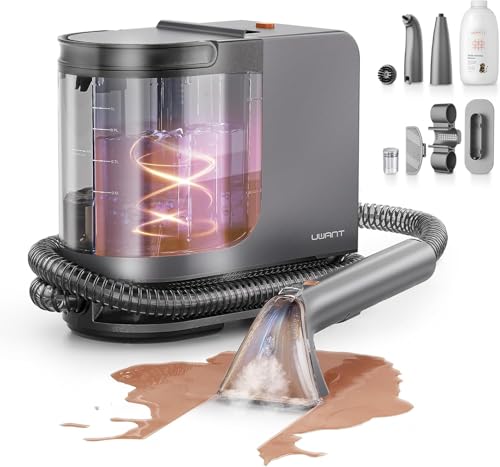
Before You Start
Review fabric care labels and confirm steam cleaning is safe for the material. For delicate fabrics, use the lowest heat setting and a gentler attachment. Vacuum the surface to remove loose dust and debris before steam cleaning. Always test a small hidden area to check for color fastness and fabric distortion. Estimate 20–60 minutes for a single piece, more for larger upholstery.
Caution: Do not saturate heavily or use steam on water-sensitive surfaces. Excess moisture can lead to mold growth and fabric swelling.
Step-By-Step: How To Clean Upholstery With A Steam Cleaner
- Prepare the workspace: Move furniture, lay towels to catch drips, and ensure the room is well-ventilated.
- Vacuum the fabric: Remove loose dirt, pet hair, and crumbs to prevent it from embedding during steaming.
- Fill and heat the unit: Use the recommended water type and allow the cleaner to reach the appropriate temperature for the chosen fabric.
- Select the right attachment: For fabric sofas and car seats, attach the upholstery brush or nozzle designed for fabric surfaces.
- Test a hidden area: Check for color bleed or texture changes before proceeding.
- Steam in small sections: Work in a grid pattern, applying light, consistent passes to lift dirt without soaking the fabric.
- Wipe as you go: Immediately blot with a microfiber cloth to remove moisture and loosened soils.
- Address stains: For stubborn spots, apply a fabric-safe pretreat and re-steam, then blot again.
- Dry thoroughly: Allow pieces to air-dry completely or use a fan to speed the process and prevent mildew.
- Inspect and repeat if needed: Revisit any areas that still look dingy and repeat the process cautiously.
- Store properly: Empty and dry the tank, clean attachments, and store in a dry area.
Troubleshooting
| Symptom | Likely Cause | Fix | Prevention |
|---|---|---|---|
| Fabric remains damp after steaming | Over-wetting or inadequate drying | Steam in lighter passes and increase ventilation | Use absorbent cloths and ensure complete drying |
| Color bleeding after cleaning | Fabric not color-fast | Stop use and test more areas; consult manufacturer guidelines | Always test first on inconspicuous area |
| Streaks or watermarks | Moisture unevenly distributed | Move in consistent, overlapping strokes and wipe | Use microfiber cloth to absorb moisture as you go |
| Steam pauses or overheating | Lack of water or clogged nozzle | Refill water, clean nozzle, and clear blockages | Regular maintenance per manual |
| Fabrics smell musty after cleaning | Incomplete drying | Ventilate and dry thoroughly; consider odor-neutralizing spray after drying | Air out the space during and after use |
Common Mistakes
- Cleaning with too high heat on delicate fabrics, causing shrinkage or damage.
- Over-wetting the upholstery, leading to long drying times or mold.
- Using steam on non-fabric surfaces that are heat sensitive.
- Rushing the process by applying heavy steam in one pass; this can push dirt deeper.
- Skipping a test patch, risking color transfer or fabric distortion.
Tips For Best Results
- Choose dry steam when possible for fabrics that are prone to moisture retention.
- Use a brush attachment to agitate fibers and lift embedded dirt.
- Work in a cool, dry environment to speed up drying and reduce odor formation.
- Combine steam with gentle fabric-safe cleaners on tough stains, then re-clean with steam.
- Protect nearby surfaces and electronics from steam exposure during cleaning.
Call A Professional
Consider a professional if upholstery involves delicate fabrics like silk or velvet, extensive staining, or structural concerns. Stop and seek help if there is persistent discoloration, fraying seams, or a strong chemical smell. For vehicle interiors, a professional detailer can provide deeper cleaning and fabric protection services.
FAQ
Can I use a steam cleaner on all upholstery fabrics?
Most fabrics respond well to steam, but always check the care label and test a hidden area first to avoid damage.
Is steam cleaning safe for car seats?
Yes, handheld or full-size steam cleaners with upholstery attachments are commonly used on car seats, but avoid saturating the foam padding.
How long does it take upholstery to dry after steam cleaning?
Drying time varies by fabric and ventilation but typically ranges from 1 to 6 hours.
Can steam remove set-in stains?
Steam can help lift many stains, but stubborn or oil-based stains may require pretreatment or multiple passes.
Buying Guide
When choosing a steam cleaner for upholstery, consider several factors to match needs and spaces. Size and mobility matter for apartment living versus a house with multiple rooms. Noise level can influence comfort during use in living areas or bedrooms. Energy efficiency affects ongoing running costs and environmental impact. Controls should be intuitive, with adjustable steam levels for different fabrics. Placement options matter for storage and reach, especially for full-size models with attachments.
Considerations By Use Case
- Size and Mobility: Handheld models are ideal for cars and small chairs, while full-size units suit couches and large sections.
- Attachment Kit: A kit with upholstery tools, brushes, and nozzles expands versatility for fabric types and furniture shapes.
- Heat Settings: Look for adjustable temps to protect delicate textiles.
- Water Capacity: Larger tanks reduce refilling during big jobs, but heavy machines require more storage space.
- Dry Steam Option: Useful for fabrics sensitive to moisture, reducing drying time.
- Pet and Odor Control: Some units offer deodorizing features or specialized nozzles for pet hair.
FAQs About Models And Features
If you’re comparing options, focus on how a model handles upholstery with brush attachments, the availability of a dedicated upholstery nozzle, and compatibility with car interiors as well as furniture fabrics.