Sourcing shoes from Goodwill or other thrift stores can be a great way to save money and find unique pieces. Cleaning thrift-store shoes thoroughly not only improves appearance but also extends their life and returns them to wearable condition. This guide covers practical, step-by-step methods using common cleaners and purpose-made gear to refresh a variety of materials found in thrift-store footwear.
Quick Answer
Assess each pair for material type and structural damage first. For most sneakers and casual shoes, a gentle cleaning routine with a brush, mild cleaners, and microfiber cloths suffices. For leather and canvas, choose material-specific cleaners and protectants. Always spot-test any cleaner in an inconspicuous area before full application.
What You’ll Need
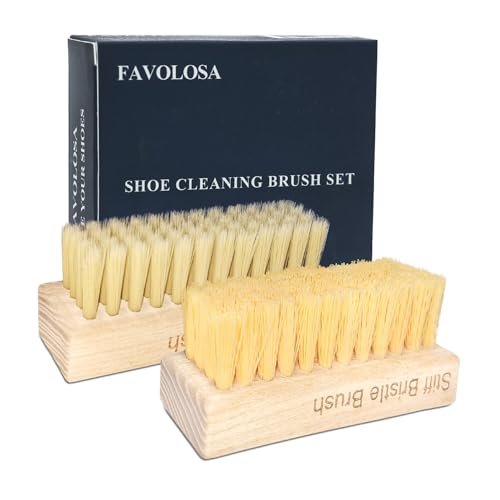
- Stiff nylon shoe cleaning brush set
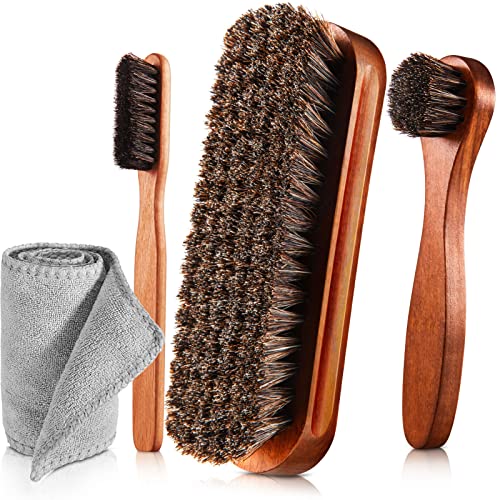
- Leather sneaker cleaning kit with brushes
- Canvas shoe stain remover spray
- Microfiber cloths for shoe cleaning
- Odor eliminator spray for shoes

Before You Start
Clear a workspace and remove laces and insoles if possible. Let shoes air out to minimize odors before cleaning. For stained or heavily soiled pairs, expect a longer process and multiple passes. Test cleaners on a small area first to avoid color fading or material damage. Plan for 20–40 minutes per pair, depending on size and material.
Step-By-Step: How To Clean Shoes From Goodwill
- Remove laces and insoles; set them aside for separate cleaning if needed.
- Dry brush to loosen loose dirt and debris from all surfaces.
- For canvas: spray a canvas shoe stain remover on stained areas and agitate with the stiff nylon brush.
- For leather: apply a leather-safe cleaner from the leather sneaker cleaning kit; work in small circular motions.
- Wipe with a slightly damp microfiber cloth; repeat until dirt lifts cleanly.
- For stubborn stains, apply a mild cleaner and let it sit for a few minutes before brushing again.
- Clean the sole with the brush and a bit of cleaner; rinse with a damp cloth to remove residue.
- Dry shoes away from direct heat; stuff with paper towels to maintain shape as they dry.
- Once dry, re-lace and apply an odor eliminator spray to freshen interior surfaces.
- For leather pairs, condition with a leather conditioner after cleaning to prevent cracking.
- Store in a cool, dry place and refrain from exposing to direct sunlight for extended periods.
- If needed, repeat steps for especially dirty pairs or apply a protective spray after drying.
Troubleshooting
| Symptom | Likely Cause | Fix | Prevention |
|---|---|---|---|
| Color fading after cleaning | Harsh cleaner or excessive rubbing | Switch to a gentler cleaner; use light pressure | Spot-test; use material-appropriate products |
| Remaining odor | Moisture trapped inside | Thorough drying; use odor eliminator spray | Air dry fully; store with breathable contents |
| Stiff or sticky leather after cleaning | Over-wetting or incompatible cleaner | Dry immediately; condition with leather conditioner | Use leather-specific products |
| White residue on dark fabrics | Excess cleaner or mineral residue | Wipe with damp cloth and rinse lightly | Apply minimal product; test first |
Common Mistakes
- Using hot water that can damage glue and fabrics
- Over-saturating leather or canvas with cleaners
- Neglecting to remove laces and insoles before cleaning
- Skipping a thorough drying period, which invites mold
Keeping patience during the process yields better results than rushing through a thrift-store cleaning job.
Tips For Best Results
- Always test cleaners in an inconspicuous area first to protect color and texture.
- Use a dedicated brush set for different materials to avoid cross-contamination.
- For sneakers with mesh panels, lighter sprays and shorter contact times preserve airflow and breathability.
- Consider applying a fabric or leather protector after cleaning to resist future stains.
Call A Professional
Consider seeking a professional if shoes are valuable, heavily stained, or contain delicate materials such as suede or exotic leather. Stop cleaning and consult a pro if you notice:
- Cracking, peeling, or softened glue
- Color bleeding that worsens after cleaning
- Delicate materials like suede or patent leather that require specialty care
FAQ
Can I clean canvas shoes with household cleaners?
Yes, a mild detergent or canvas-specific spray works well; avoid harsh chemicals that may weaken fibers.
Should I remove the insoles before cleaning?
Yes, remove insoles to clean both surfaces and prevent odor from lingering inside the shoe.
Is it okay to machine wash thrifted shoes?
Only if the manufacturer allows machine washing; otherwise, hand cleaning is safer for most thrift-store sneakers.
How do I prevent future odors after thrift-store cleaning?
Use odor eliminator sprays and ensure complete drying before storage; consider occasional freshening between wears.
Buying Guide
When selecting tools and cleaners for cleaning thrift-store shoes, consider how frequently you clean and the materials you encounter most. A balanced kit often includes a dedicated stiff nylon brush set, a leather sneaker cleaning kit, a canvas stain remover spray, microfiber cloths, and an odor eliminator spray. For best results, match products to the primary material found in your thrift-store purchases and store all items in a clean, dry location. Think about multi-material versatility, compact storage, and the ability to tackle both light refreshes and deeper cleanings. Would you benefit from modular tools that can be swapped between pairs, or a single all-in-one cleaning system? Consider your typical thrift-store finds and space constraints to guide your choice.