Red lips can result from dry skin, irritation, sun exposure, or allergic reactions. This guide provides practical steps to soothe, repair, and prevent redness while using common at-home products. The focus is on gentle care, proper exfoliation, and hydration to restore comfort and healthy color.
Quick Answer
Calm and hydrate first with a soothing lip balm, then gently exfoliate to remove flaky skin. If irritation persists, switch to fragrance-free products and protect lips with SPF during sun exposure. For ongoing redness, consult a professional to rule out allergic reactions or dermatitis.
What You’ll Need
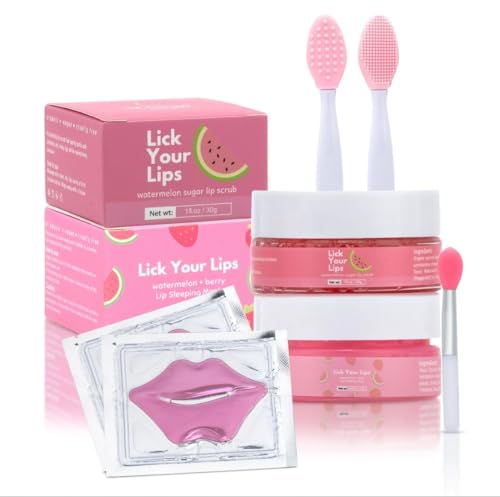
- Silicone lip scrub brush
- Electric lip exfoliator tool
- Lip scrub kit for irritated lips
- Lip balm with SPF 30 for dry lips
- Hydrating lip mask with applicator brush


Before You Start
Assess the cause of redness: dryness, windburn, sun exposure, or irritation from products. Do a patch test on a small lip area if using any new product. Avoid aggressive scraping or harsh scrubs, which can worsen irritation. Estimate time: 15–25 minutes for a full routine, plus multiple applications as needed over a few days.
Surface prep: wash hands, cleanse lips with a mild, fragrance-free cleanser, and pat dry. Consider wearing SPF lip products outdoors and limiting exposure to known irritants such as certain flavors or essential oils.
Step-By-Step: How To Soften And Repair Red Lips
- Start by hydrating lips with a fragrance-free lip balm to create a protective barrier and reduce immediate burning sensations.
- Gently exfoliate flaky skin using a silicone lip scrub brush or an electric lip exfoliator tool in slow, circular motions for 30–60 seconds.
- Rinse or remove exfoliated skin with a damp cotton pad, then apply a hydrating lip mask with an applicator brush and leave it on as directed.
- Follow with a lip balm with SPF 30 to shield lips from sun damage during daytime exposure.
- If irritation occurs, apply a lip balm formulated for irritation and avoid fragrances for 24–48 hours while the skin heals.
- Repeat routine once daily for 2–3 days, then taper to every other day as lips improve.
- Keep hydrated overall: drink water regularly and minimize acidic or spicy foods that can sting inflamed lips.
- Avoid picking or peeling skin; let natural shedding occur to prevent scarring or further redness.
- Test new products on a small lip area before full use to prevent reactions that could worsen redness.
- If redness persists after several days or worsens, switch to hypoallergenic products and consider consulting a dermatologist.
- For ongoing cold sores or unusual swelling, seek medical advice promptly, as redness can indicate infection or a reaction requiring treatment.
- Wrap up with a light, protective layer of lip balm before bedtime to maintain moisture overnight.
Troubleshooting
| Symptom | Likely Cause | Fix | Prevention |
|---|---|---|---|
| Persistent redness after exfoliation | Over-exfoliation or sensitivity | Pause exfoliation for 1–2 days; switch to gentle balm | Limit frequency; use soft tools only |
| Stinging or burning after applying product | Active ingredients or fragrance sensitivity | Rinse off and apply fragrance-free balm | Choose fragrance-free, hypoallergenic formulas |
| Redness with swelling | Allergic reaction or dermatitis | Discontinue products, seek medical advice if needed | Patch-test new products before full use |
| Dry, tight lips despite balm | Environmental exposure or inadequate hydration | Increase water intake; switch to richer balm with humectants | Apply balm throughout the day and outdoors |
Common Mistakes
- Over-exfoliating or using abrasive scrubs on irritated lips.
- Choosing products with fragrances, flavors, or essential oils that irritate the skin.
- Assuming redness equals a sunburn—skipping SPF on already sensitive lips.
- Directly licking lips after applying balm, which can worsen dryness.
- Using incompatible tools together (e.g., sharing devices without cleaning).
Tips For Best Results
- Opt for fragrance-free, hypoallergenic balms during the recovery phase.
- Incorporate a hydrating lip mask into nighttime routines a few times per week.
- Always seal hydration with SPF 30 lip protection during daylight hours.
- Clean exfoliation tools after each use to prevent bacteria buildup.
- Keep a small, portable balm for on-the-go hydration and protection.
Call A Professional
Seek a professional if redness lasts more than a week, if there are open cracks that won’t heal, or if new swelling, fever, or severe pain occurs. Consider dermatologist evaluation for suspected contact dermatitis, lip dermatitis, or underlying conditions that require prescription treatments.
FAQ
Can I exfoliate red lips safely at home?
Yes, but use gentle tools like a silicone lip scrub brush or an electric lip exfoliator on light, circular motions for 30–60 seconds, then follow with hydration.
Should I wear SPF every day on my lips?
Yes. A lip balm with SPF 30 or higher protects sensitive lip skin from UV damage and prevents further redness.
What ingredients should I avoid when lips are red?
Avoid fragrances, menthol, peppermint, citrus or cinnamon scents, and abrasive scrubs that can aggravate irritation.
When should I see a doctor for red lips?
See a professional if redness persists beyond a week, if you notice severe swelling, cracking, or signs of infection.
Are lip masks suitable for irritated lips?
Hydrating lip masks can soothe irritation when they are fragrance-free and used as directed.
Buying Guide
When choosing products to help red lips, consider several factors to balance efficacy with safety. First, assess lip condition: dryness versus irritation, and whether redness is seasonal or persistent. Size matters for convenient travel and consumption of the products you’ve chosen.
Size and packaging: Look for compact options for on-the-go hydration, and larger jars for home use if you frequently treat lips. Ensure seals are intact to maintain product integrity.
Noise level: If using an electric lip exfoliator tool, check noise ratings or user reviews for quiet operation, especially for nighttime routines.
Energy efficiency: For battery-powered devices, consider rechargeable options to reduce waste and ongoing costs.
Controls and ease of use: Simple, intuitive controls help prevent misuse on sensitive lips. A soft-bristled brush or gentle vibration is ideal for irritated skin.
Placement and storage: Store in a cool, dry place away from direct sunlight to preserve active ingredients. Keep tools clean and separate from other skincare items to avoid cross-contamination.
Key product considerations:
- Silicone lip scrub brush for gentle exfoliation
- Electric lip exfoliator tool for convenient at-home use
- Lip scrub kit for irritated lips with soothing formulas
- Lip balm with SPF 30 for dry lips to prevent new redness
- Hydrating lip mask with applicator brush for overnight recovery
By selecting products that prioritize hydration, barrier repair, and sun protection, users can effectively manage red lips and prevent future occurrences. If in doubt, begin with a conservative routine using fragrance-free balms and gentle exfoliation, and gradually introduce additional tools as the lips recover.