Brittle hair can crack easily, feel dry to the touch, and look dull. The right routine and tools can restore moisture, improve elasticity, and reduce breakage. This guide walks through practical steps using common salon-at-home devices and easy maintenance habits tailored for American households.
Quick Answer
Start with moisture-boosting shampoos and conditioners, minimize heat exposure, and use gentler brushes and detanglers designed for brittle hair. A targeted routine with a steam or conditioning sauna can help restore softness, while a low-heat dryer setup keeps damage at bay. Consistency matters more than intensity.
What You’ll Need
- Boar bristle brush for dry brittle hair – distributes natural oils and smooths fibers
- Wide tooth detangling comb for brittle hair – minimizes pulling and breakage
- Ionic hair dryer with adjustable heat for damaged hair – reduces frizz and speeds drying
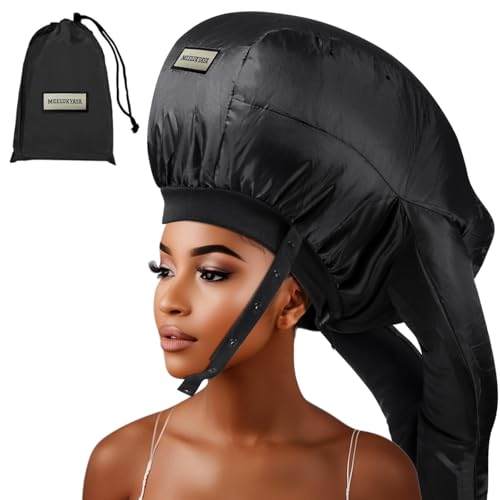
- Portable bonnet hair dryer heat cap – gentle heat for deep conditioning
- Hair steamer for damaged brittle hair – opens cuticles for better moisture absorption


Before You Start
Before beginning, assess hair texture and current damage. Use lukewarm water for washing to avoid stripping moisture. Apply a deep conditioner or a leave-in treatment after washing. Avoid brushing wet hair to prevent further breakage and consider applying hair serums focused on sealing the cuticle. Plan roughly 45–90 minutes per session when incorporating steam or a bonnet dryer into your routine.
Step-By-Step: How To Care For Brittle Hair
- Gently cleanse with a hydrating, sulfate-free shampoo to remove buildup without stripping moisture. Rinse with cool water to help seal the cuticle.
- Condition deeply with a rich conditioner designed for damaged hair. Leave in for 2–5 minutes, then detangle with a wide tooth detangling comb starting at the ends.
- Apply a leave-in or treatment that adds moisture and seals the hair shaft. Focus on mid-lengths and ends while avoiding the scalp to prevent oil buildup.
- Use a steam session with a hair steamer for damaged brittle hair. Follow the device’s instructions for duration, typically 10–20 minutes, to improve moisture uptake.
- Deep conditioning with heat using a portable bonnet hair dryer heat cap or an ionic hair dryer with adjustable heat. Use a low heat setting and a timer to prevent overheating.
- Protect while drying after washing, run a light leave-in product and dry on a cool or medium setting. Avoid high heat and direct airflow on the scalp to minimize further damage.
- Detangle correctly with a wide tooth detangling comb on dry or damp hair, not wet, to reduce breakage.
- Style with care once hair is dry. Use heat-protectant sprays if heat styling is necessary, and opt for low heat or air-drying methods when possible.
Troubleshooting
| Symptom | Likely Cause | Fix | Prevention |
|---|---|---|---|
| Frizz and dullness | Over-processing or lack of moisture | Switch to hydrating products and reduce heat | Weekly deep conditioning |
| Excessive breakage | Rough detangling or rough handling | Use wide tooth comb and boar bristle brush gently | Do not brush wet hair; prep with detangler |
| Scalp sensitivity | Over-washing or heavy products | Reduce washing frequency; use lightweight oils | Gentle scalp care routine |
| Dry ends that snap | Environmental stress and heat damage | Trim ends regularly; limit heat exposure | Protective styles and heat protection |
| Products not absorbing | Overly sealed cuticle or buildup | Clarify sparingly; rehydrate thereafter | Balanced cleansing routine |
Common Mistakes
-
Overusing heat tools without heat protection, leading to further damage.
-
Brushing aggressively when hair is dry or wet, causing breakage.
-
Skipping conditioners after cleansing, leaving fibers dry.
-
Ignoring scalp health, which can affect overall hair quality.
-
Using products that weigh hair down and cause buildup.
Tips For Best Results
- Hydration first: incorporate hydrating shampoos and masks twice a week.
- Micro-styling: prefer air-drying or cool air rather than high heat when possible.
- Localized care: treat ends specifically with nourishing serums and oils.
- Consistent routine: small, regular sessions beat occasional heavy treatments.
- Protect while sleeping: use a satin or silk pillowcase to reduce friction.
Call A Professional
If brittle hair persists despite consistent care, consult a licensed stylist or dermatologist. Stop signs include persistent scalp irritation, excessive shedding, or obvious scalp changes. A professional assessment can identify underlying issues such as nutritional gaps, medical conditions, or product sensitivities that require targeted treatment.
FAQ
What causes brittle hair?
Brittleness often results from moisture loss, heat damage, chemical processing, or environmental stress. Addressing moisture and reducing heat exposure can reverse much of the damage.
How often should I steam my hair for best results?
Steaming 1–2 times per week with a hair steamer helps open cuticles for better moisture absorption without causing heat damage.
Can I use any detangler for brittle hair?
Choose a detangler designed to reduce breakage and ease combing. A wide tooth detangling comb is especially effective for brittle textures.
When should I trim my ends?
Regular trims, about every 6–8 weeks, help prevent split ends from traveling up the shaft and triggering more breakage.
Buying Guide
Choosing the right tools and devices can make a noticeable difference in rehabilitating brittle hair. Consider these factors to optimize results:
- Size and weight: Lightweight tools are easier to handle for longer sessions.
- Noise level: Quieter devices improve comfort during routine care, especially when using a bonnet dryer or steamer in shared spaces.
- Energy efficiency: Look for efficient motors and heat controls that minimize energy use and reduce heat exposure time.
- Controls and settings: Adjustable heat, speed, and timer options give finer control over damage prevention.
- Placement and ergonomics: Handheld vs. stand-on devices; a bonnet dryer can offer even heat without direct scalp contact.
- Compatibility with treatments: Devices that work well with conditioning masks and steam sessions amplify absorption and efficacy.
- Durability and warranty: Invest in trusted brands with good return policies and durable parts like brushes and combs.