Maintaining a clean potty is essential for every bathroom. This guide provides simple, practical steps using common household tools to keep the toilet hygienic and fresh. The methods are designed for busy households and can be completed with items you likely already own.
Whether you’re refreshing a neglected bathroom or establishing a routine, the focus is on effective cleaning while minimizing effort and disruption. The steps emphasize safety, efficiency, and long-lasting cleanliness using accessible supplies.
Quick Answer
Best starting approach: clear the area, apply a toilet bowl cleaner gel spray to the bowl, scrub with a toilet brush, and wipe the seat and exterior with disposable wipes. Finish by flushing and reseating with a fresh look.
What You’ll Need
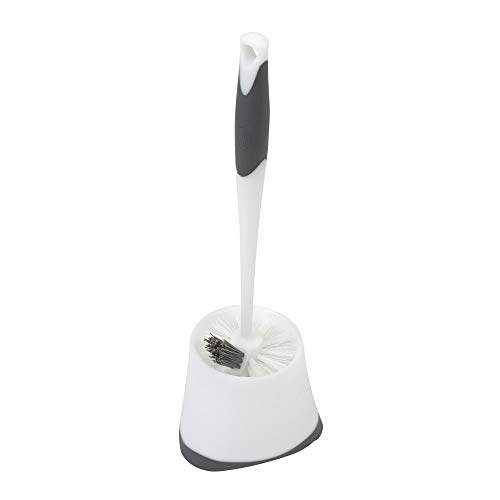
- Toilet brush with holder
- Toilet cleaning wand refill packs
- Toilet bowl cleaner gel spray
- Toilet plunger with flange
- Disposable toilet cleaning wipes canister


Before You Start
Before cleaning, ensure the bathroom is well-ventilated. Put on disposable gloves if desired and remove any items from the toilet lid area. Protect nearby surfaces from splashes by lowering the toilet seat and closing the lid when not in use. Prepare a plan for quick, repeatable cleaning sessions to maintain hygiene with minimal effort.
Time estimate: 10–20 minutes per full clean; spot-cleaning can take 5–8 minutes.
Step-By-Step: How To Clean Potty
- Put on gloves and open a fresh canister of disposable toilet cleaning wipes for exterior surfaces.
- Spray toilet bowl cleaner gel spray inside the bowl, focusing under the rim for thorough coverage.
- Let the cleaner sit for a couple of minutes to loosen mineral deposits and stains.
- Scrub the bowl with a toilet brush with holder, paying attention to tough spots near the waterline.
- Rinse the brush in the toilet and flush to rinse away buildup and cleaner residue.
- Wipe the exterior surfaces, including the tank, lid, seat, and hinges, with disposable wipes.
- Use the plunger with flange only if a blockage is suspected; otherwise, skip to sealing the area with wipes.
- Replace or refill the toilet wand with fresh refill packs to keep future cleanings easy.
- Inspect for streaks or missed areas; perform a quick touch-up if needed.
- Dispose of used wipes and gloves properly; wash hands thoroughly after cleaning.
- Flush again to ensure all cleaner and debris are removed from the bowl.
- Store cleaning supplies in a designated cabinet away from children and pets.
Troubleshooting
| Symptom | Likely Cause | Fix | Prevention |
|---|---|---|---|
| Streaks remain after cleaning | Residue or mineral deposits | Reapply cleaner and scrub, then rinse thoroughly | Regular wipe-down after use to prevent buildup |
| Bad odor persists | Organic residue under seat or lid | Wipe with a disinfecting wipe and clean hinges | Daily wipe-down and weekly deep clean |
| Cleaner won’t dispense | Empty wand refill or clogged nozzle | Replace refill packs or clean nozzle with warm water | Keep a spare refill on hand |
| Streaky water after flush | Water quality or mineral deposits | Use gel spray with a longer contact time | Weekly maintenance with a dedicated bowl cleaner |
Common Mistakes
- Using abrasive cleaners on porcelain surfaces, which can cause micro-scratches and dullness
- Neglecting to clean under the rim where germs accumulate
- Skipping ventilation, which can spread fumes and reduce cleaning effectiveness
- Rushing the cleaning process and missing spots, especially around the base and hinges
Tips For Best Results
- Choose a toilet bowl cleaner gel spray with a longer contact time for tougher stains.
- Keep a dedicated set of wipes for the bathroom to avoid cross-contamination with other areas.
- Set a routine—weekly deep cleans plus quick daily wipe-downs help maintain shine and hygiene.
- Store tools in a clean container to prevent dust accumulation and maintain readiness.
Call A Professional
Call a professional if there is persistent staining that does not respond to routine cleaning, persistent odors despite cleaning, or any signs of leaks or plumbing issues around the toilet. If you notice damage to ceramic surfaces or plumbing, seek expert help promptly.
FAQ
How often should I clean the potty?
Perform a full clean weekly, with quick exterior wipe-downs on non-cleaning days.
Can I use bleach on porcelain toilets?
Bleach is effective in some cases, but avoid prolonged contact and follow product instructions to protect seals and finishes.
Is a toilet cleaning wand easier than a brush?
Wands can simplify application and reach tight spaces, especially when paired with refills.
What should I do if the toilet smells even after cleaning?
Check for hidden sources like under the rim, a clogged trap, or drain issues; address with targeted cleaning and ventilation.
Buying Guide
When selecting cleaning tools and supplies for a potty, consider size, effectiveness, and ease of use. A ready-to-use toilet bowl cleaner gel spray can reduce scrubbing time, while a toilet brush with holder keeps the cleaning kit organized. Refill packs help maintain consistent performance, and disposable wipes provide quick, hygienic touch-ups. A sturdy toilet plunger with flange is useful for occasional clogs but not part of routine cleaning. Evaluate how each item fits your bathroom size, family needs, and cleaning frequency to choose a reliable combination.
Key Buying Factors
- Size and storage: Compact tools fit in small bathrooms; consider a holder that keeps items contained and accessible.
- Cleaning power: Look for gel sprays designed for quick contact and thorough removal of stains.
- Maintenance: Refill packs simplify ongoing use and reduce waste.
- Hygiene and disposal: Disposable wipes offer convenient, touchless cleanup and reduce cross-contamination.
- Placement: Store cleaning supplies under the sink or in a dedicated cabinet to keep them out of reach of children and pets.
- Noise and ease: Quiet, easy-to-use tools encourage regular cleaning without disruption.
- Durability: Choose sturdy brushes and holders that withstand frequent use.
Would you like a quick shopping list based on these recommendations, tailored to a typical American bathroom layout?