Persistent urine odors can linger on surfaces and fabrics, especially in homes with pets. Effective odor control combines prompt cleaning, odor-neutralizing products, and proper drying. This guide provides practical steps to remove strong urine odor from floors, carpets, and other affected areas using enzyme-based cleaners and proven methods.
Quick Answer
Identify the source and blot or rinse away fresh urine promptly. Use an enzyme-based urine odor remover to break down odor-causing compounds. For carpets, hardwood floors, and other surfaces, apply the appropriate cleaner and allow it to work before drying thoroughly. Reapply as needed for stubborn odors.
What You’ll Need
- Pet urine enzyme cleaner spray 32 oz
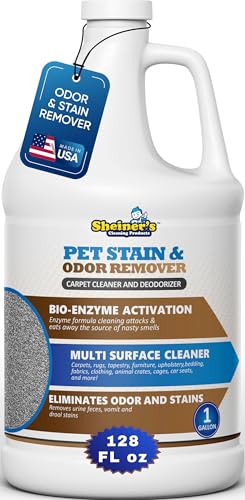
- Enzyme-based urine odor remover for carpets 1 quart
- Pet urine stain remover enzymatic cleaner 64 oz
- Carpet cleaner urine odor neutralizer spray 24 oz
- Odor eliminating enzymatic cleaner for hardwood floors 16 oz


Before You Start
Plan for a small cleaning trial in an inconspicuous area to ensure compatibility with materials. Ventilate the space well by opening windows or using a fan. Blot up as much liquid as possible with paper towels before applying cleaners. For porous surfaces like concrete or wood, test in a hidden spot for colorfastness and finish integrity. Time estimates vary; allow 30 minutes to 2 hours for cleaning in a single area, plus drying time.
Step-By-Step: How To Eliminate Urine Odor Effectively
- Locate and isolate the source of the odor, focusing on fresh spots first. If the urine smell persists after cleaning, revisit the area and locate hidden traces with a UV light if available.
- Blot and rinse affected surfaces to remove as much liquid as possible without rubbing, which can push urine deeper into fibers.
- Apply enzyme-based cleaners to the stained area. Choose a product formulated for the surface (carpet, hardwood, or general surfaces) and follow the label directions for saturation and contact time.
- Allow sufficient dwell time for enzymes to break down uric acid and other odor compounds. Do not rush drying; a longer contact time improves results.
- Blot again and remove excess moisture after the cleaner has had time to work. This helps reduce residual dampness that can cause musty smells.
- Rinse if required by using a clean, damp cloth on hard surfaces or repeating a cleaning pass on fabrics. Ensure no cleaner residue remains that could attract more dirt.
- Dry thoroughly and ventilate the area. Use fans or dehumidifiers to speed up evaporation and prevent mold growth.
- Repeat as necessary for stubborn odors, especially in areas with heavy contamination or long-standing smells.
Troubleshooting
| Symptom | Likely Cause | Fix | Prevention |
|---|---|---|---|
| Smell remains after cleaning | Enzyme cleaners weren’t given enough dwell time | Reapply and extend contact time, cover area with a clean cloth to retain moisture | Clean spills promptly to prevent buildup |
| Odor returns after drying | Residue left behind or porous surface absorbed odor | Re-clean with a higher concentration and ensure complete drying | Seal porous surfaces if appropriate |
| Discoloration on carpet or fabric | Cleaner interaction with dye or fibers | Test in a hidden spot; use milder formula or alternate cleaner | Spot-test before large application |
| Hardwood floors retain odor | Odor penetrated wood pores | Use odor-eliminating enzymatic cleaner designed for hardwood | Seal or refinish affected areas if odor persists |
Common Mistakes To Avoid
- Using bleach or ammonia near pet accidents, which can worsen odors and harm pets.
- Drying cleaners too quickly without allowing enzymes to work.
- Rubbing vigorously, which spreads urine deeper into fibers.
- Neglecting to ventilate the area, which slows drying and odor dissipation.
Tips For Best Results
- Apply cleaners from the outer edge of the stain toward the center to prevent spreading.
- For carpeted stairs or high-traffic areas, repeat treatment a second time for deep fibers.
- Pair enzymatic cleaners with good airflow and dehumidification to accelerate drying.
- Store cleaners in a cool, dry place and keep pets away during treatment.
Call A Professional
Consider professional help if: the odor persists after multiple enzyme treatments, there is significant urine saturation in subfloors or insulation, or if odors recur despite cleaning. Professional services can assess structural concerns, inspect moisture levels, and treat areas that are difficult to reach with consumer products.
FAQ
What makes enzyme cleaners effective for urine odor?
Enzyme cleaners break down organic compounds, including proteins and uric acid, that cause persistent urine odors, rather than just masking them.
Can these products damage carpets or hardwood floors?
Most enzyme cleaners are designed for common household surfaces, but always test a hidden area first and follow label directions to minimize risk.
How long should I wait after applying an enzymatic cleaner?
Allow the recommended dwell time on the product label, typically 5–30 minutes, and ensure surfaces dry completely after treatment.
How often should I treat repeat odors?
For repeated incidents, consider a second treatment a day or two after the first, and address underlying causes such as pet behavior or access limitations.
Buying Guide
Choosing the right odor-control products depends on the surfaces you treat and the severity of the odor. Consider these factors to select the best option for your home.
- <bSurface compatibility: Carpets, hardwood floors, and textiles may require different formulations. Look for surface-specific enzyme cleaners.
- <bSize and coverage: Larger rooms or heavy contamination may need bigger bottles or quart-sized options for repeat treatments.
- <bOdor strength: Strong, lingering odors may justify multiple applications or a combination of cleaners.
- <bDrying time: Quick-drying formulas help minimize downtime, while longer dwell times can improve odor removal.
- <bApplication method: Spray bottles, trigger sprayers, or large-volume containers affect ease of use for different areas.
- <bPlacement and storage: Store cleaners out of reach of pets and children; place near cleaning supplies for rapid response.
Additionally, compare products by considering the surface you need to treat, whether you require stain removal along with odor control, and any specific recommendations for pet households. If odor concerns are tied to pet behavior, consider prevention strategies alongside cleaning products to sustain a fresh environment.