Cleaning fish tank gravel is a common maintenance task that helps keep water quality high and fish healthy. This guide walks through practical steps using common gravel-cleaning tools and safe methods for freshwater aquariums.
Quick Answer
To clean fish tank gravel, use an aquarium gravel vacuum or siphon to gently remove debris while simultaneously rinsing gravel with water. Work in sections, avoid disturbing beneficial bacteria, and monitor water parameters after cleaning. For larger tanks, a flexible hose raises efficiency, while built‑in filters or adjustable flow help control suction and prevent sudden water changes.
What You’ll Need
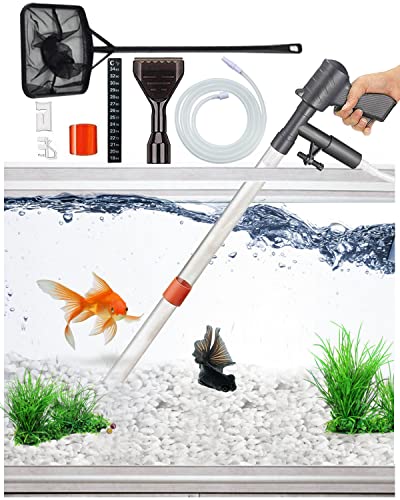
- aquarium gravel vacuum siphon kit with adjustable flow
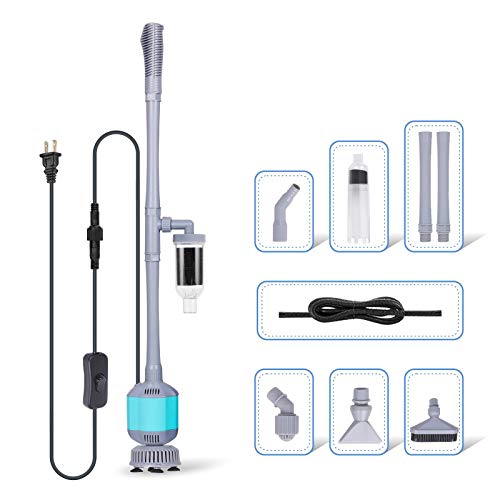
- automatic aquarium gravel cleaner for freshwater tanks
- manual aquarium gravel cleaner siphon with built-in filter
- fish tank gravel cleaner hose kit 6 ft
- aquarium gravel cleaning tool set

Before You Start
Prepare a clean bucket for dirty rinse water and a separate container for filling the tank back up. Rinse tools with clean water only; avoid soap or cleaners. Check that all tubing is free of kinks and that the hose is long enough for the tank’s depth. Never drain the entire tank at once unless performing a full-water change as part of a larger maintenance routine. Plan a cleaning session during a period of stable fish activity and avoid disrupting the tank’s biological balance.
Step-By-Step: How To Clean Fish Tank Gravel
- Turn off all equipment, including filters and heaters, to prevent debris from circulating during cleaning.
- Place the bucket beside the tank and prepare the siphon hose with a gentle prime to start the flow.
- Insert the gravel vacuum into the substrate and begin a slow, rhythmic motion to draw up debris from the top layer without lifting large rocks.
- Work in 2–4 inch sections, moving the vacuum in small circles to loosen waste without disturbing deeper beneficial bacteria pockets.
- Pause periodically to let the dirty water drain into the bucket and to refill the tank with dechlorinated water as needed.
- Rinse the gravel in the bucket if your kit includes a built-in filter or a quick rinse cycle; avoid overflowing the bucket with dirty water.
- Resume cleaning, paying attention to any areas that accumulate more debris, such as behind plants or in corners.
- Check water parameters after the cleaning session and adjust filtration or water changes if ammonia or nitrite rise.
- Return the siphon and tools to their resting place, reconnect equipment, and resume normal tank operation.
- Observe fish activity for several hours to ensure they are not stressed by the cleaning process.
- Schedule regular gravel maintenance every 1–2 weeks, depending on tank stocking and feeding patterns.
Troubleshooting
| Symptom | Likely Cause | Fix | Prevention |
|---|---|---|---|
| Weak suction or no flow | Clogged hose or vacuum head | Disconnect and rinse hose, clear with a soft brush | Regularly rinse hose between cleanings |
| Water cloudy after cleaning | Disturbed substrate releasing fine particles | Short, controlled vacuum passes; avoid aggressive stirring | Vacuum in small sections |
| Excessive disturbance of gravel | Using too much force | Use lighter touch and slower motions | Practice gentle technique on a hidden section first |
| Fish show stress | Rapid water temperature or pH changes | Return heater and check parameters; acclimate fish | Match dechlorinated water temperature to tank |
| Filter media clogging | Debris bypassing filter | Clean or replace media as recommended | Establish routine maintenance aligned with feeding |
Common Mistakes
- Cleaning too aggressively and uprooting beneficial bacteria
- Using soap or detergents to clean gravel
- Starting with a full-capacity siphon to remove large water volume at once
- Ignoring dechlorination when refilling the tank
- Neglecting to monitor water parameters after cleaning
Tips For Best Results
- Work in short, focused passes to minimize disruption to the substrate.
- Pair gravel cleaning with a partial water change to stabilize water quality.
- Keep a log of cleaning frequency and parameter readings for consistency.
- Use adjustable-flow tools to tailor suction to tank size and substrate depth.
- Rinse new substrate before adding it to the tank to reduce initial cloudiness.
Call A Professional
Consult a professional if the tank shows persistent declines in water quality after routine cleaning, if fish exhibit severe stress signals, or if there is persistent algae growth not responding to cleaning. Seek professional help when diagnosing complex issues such as diseases or persistent ammonia spikes despite proper maintenance.
FAQ
How often should I clean the gravel in a planted tank?
In planted tanks, clean gravel every 1–2 weeks, paying attention to nutrient balance and root health of plants.
Can I vacuum all the gravel at once?
No. Vacuuming all gravel at once can disrupt beneficial bacteria; perform partial cleanings in cycles.
Do I need to remove fish during gravel cleaning?
Typically not, but in heavily stocked tanks or with anxious fish, temporarily relocate them to a quarantine or temporary container.
What should I do if my siphon loses prime?
Dip the intake in water to re-prime, or restart the siphon by submerging the entire hose and re‑establishing flow.
Buying Guide
When choosing gravel-cleaning gear, consider size, flow control, and compatibility with freshwater tanks. Key buying factors include:
- Size and tank compatibility: Match the tool length and suction head to tank dimensions and gravel depth.
- Noise and ease of use: Look for models with smooth operation and adjustable flow for quiet cleaning.
- Energy efficiency: Favor manual or low-power devices that conserve electricity during regular maintenance.
- Controls and features: Adjustable flow, built-in filtration, and detachable nozzles improve versatility.
- Placement and setup: Ensure the kit includes a sturdy nozzle, hose clamps, and easy storage for the tubing.
- Materials and durability: Choose corrosion-resistant plastics and rust-proof metal parts for long-term use.
Review combinations like an aquarium gravel vacuum siphon kit with adjustable flow paired with a manual aquarium gravel cleaner siphon with built-in filter for versatility, or an automatic aquarium gravel cleaner for freshwater tanks when frequent cleaning is needed. Consider a fish tank gravel cleaner hose kit 6 ft for larger setups and an aquarium gravel cleaning tool set for a complete maintenance routine.