Muddy soil can pose challenges for outdoor activities, plant health, and lawn aesthetics. The goal is to improve drainage, stabilize the soil, and create a resilient surface that handles rainfall without turning into a soggy mess. This guide walks American homeowners through practical, step‑by‑step methods using common materials and tools.
Quick Answer
Address muddy soil by improving drainage first, then stabilize the soil and add surface amendments. Start with a yard drainage gravel kit with a perforated pipe, install a lawn drainage trench kit, apply a polymer soil stabilizer if needed, and top with gypsum or sand to refine texture. Regular maintenance and proper placement of drains prevent future mud even after heavy rain.
What You’ll Need
- yard drainage gravel kit perforated pipe
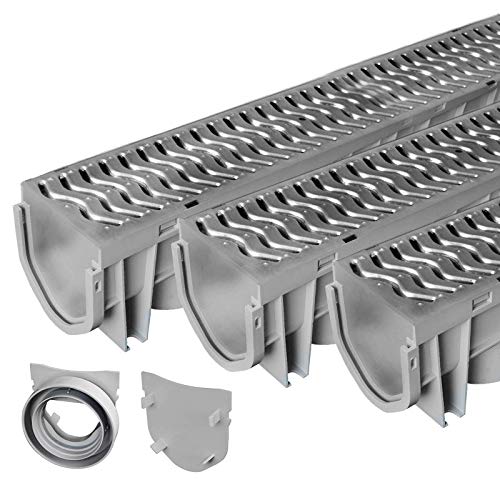
- lawn drainage trench kit
- polymer soil stabilizer for muddy soil
- gypsum soil amendment to improve drainage
- sand topdressing for muddy lawn


Before You Start
Assess the problem area: note where water tends to pool and how long the mud lasts after rain. Plan a drainage route that directs water away from foundations, patios, and high-traffic zones. Check local digging rules and utility lines before trenching. Identify soil type and texture; clay-heavy soils hold moisture longer and often respond well to gypsum amendments. Wear protective gear and keep pets and children clear of work zones. Estimate a realistic time frame: basic drainage work may take a weekend, while deeper installations can span several days.
Step-By-Step: How To Get Rid Of Muddy Soil
- Mark drainage routes from the muddy area toward the desired exit point, such as a low-lying paver base or lawn edge where water can disperse.
- Dig trenches along the marked lines to create channels for water to flow. Depth and width depend on the severity of the mud and soil type.
- Install the yard drainage gravel kit perforated pipe in the trenches, ensuring perforations face downward to collect subsurface moisture.
- Cover the pipe with a layer of gravel to encourage quick water movement and prevent clogging, then add a layer of landscape fabric if desired to prevent soil intrusion.
- Connect the system to an outlet or dry well, ensuring a gravity-based slope that carries water away from structures and living areas.
- Use the lawn drainage trench kit to extend the drainage network where pooled areas persist, creating additional channels as needed.
- Apply gypsum soil amendment to improve drainage properties, especially if the soil is heavy clay. Work gypsum into the top 4–6 inches of soil and water thoroughly.
- In areas with surface compaction or thin turf, spread a layer of sand topdressing to improve texture and help maintain a stable surface while drainage is established.
- Apply a polymer soil stabilizer for muddy soil in soil beds or heavily used paths to bind particles and reduce cracking during dry periods.
- Water the entire area lightly to settle materials and then monitor drainage over the next few rain events, adjusting as needed.
- Schedule preventive maintenance, recheck slopes, and top up aggregates to maintain the system’s effectiveness over time.
- If mud persists after multiple rain events, consider extending trench lines or upsizing the drainage components for better capacity.
Troubleshooting
| Symptom | Likely Cause | Fix | Prevention |
|---|---|---|---|
| Water pools after rain | Insufficient slope or blocked outlet | Adjust trench slope, clear outlet, or extend drainage lines | Plan gradual drainage away from structures during installation |
| Mud remains in high-traffic zones | Soil compaction and poor surface texture | Apply sand topdressing and compact lightly, then reseed | Regularly aerate and maintain surface materials |
| Perforated pipe clogging | Soil intrusion or organic buildup | Install filter fabric and maintain gravel layers | Inspect annually and replace fabric if needed |
| Turf declines after amendments | pH imbalance or over-application | Recheck soil pH and apply amendments sparingly | Test soil before large amendments |
Common Mistakes
- Overly short drainage runs that don’t reach a proper outlet
- Using too little gravel or incorrect slope, causing stagnation
- Skipping soil testing before amendments, leading to imbalanced pH
- Not allowing time for amendments to work before assessing results
Tips For Best Results
- Plan drainage with a clear outlet that directs water away from foundations and walkways
- Combine subsurface drainage (pipes and gravel) with surface solutions (sand topdressing) for a balanced approach
- Test soil texture to tailor gypsum and stabilization products to the specific soil type
- Keep a maintenance schedule to address minor clogs and settling before problems escalate
- Consider seasonal timing: install before heavy rainfall seasons for optimal results
Call A Professional
Stop signs to call a pro include unresolved pooling after several drainage attempts, complex underground utilities, or expansive mud that spreads across multiple zones. If drainage routes intersect setbacks, basements, or sump systems, a licensed contractor can design a compliant, durable solution and advise on local code requirements.
FAQ
What is the fastest way to fix muddy soil?
Install a subsurface drainage system with perforated pipes and gravel to move water away quickly, then stabilize the surface with sand topdressing and selective soil amendments.
Is gypsum safe for all soils?
Gypsum improves drainage in many clay soils but should be tested first to confirm benefits and proper application rates.
Do I need a professional for trench work?
Simple trenching can be DIY, but significant projects near utilities or foundations should involve a licensed professional.
How often should I maintain a drainage system?
Inspect after major rain events and at least once per season; clean or replace components as needed.
Will polymer stabilizers make the soil non‑porous?
No, they help bind particles and reduce erosion while preserving some drainage capacity when used correctly.
Can sand topdressing improve muddy lawns?
Yes, it improves surface texture and supports better turf establishment when combined with proper drainage.
Buying Guide
Choosing the right components for a muddy yard involves several factors. Size matters: select trench kits and pipe lengths that match the area’s dimensions and the expected water volume. Noise level is rarely a concern for drainage projects, but consider any vibration from trenching or mechanical tools. Energy efficiency applies to powered pumps or outlets and their running costs, if your system uses active components. Controls should be straightforward and robust, with clear shutoffs and easy maintenance access. Placement matters: routes should avoid plant roots near foundations and align with natural drainage paths. Compare kits by kit contents, compatibility with existing drainage, and durability of materials to ensure long‑lasting performance. For homeowners, starting with a coordinated system—drainage pipes, gravel, and trench kits—offers a balanced, scalable solution that can evolve with the yard over time.