N Nickel jewelry, prized for its bright tone and durable finish, benefits from a careful cleaning routine that restores shine without harming plating or functional coatings. This guide provides practical, at-a-glance steps for maintaining nickel pieces, from everyday wear to vintage finds. Readers will learn how to choose the right tools, perform a gentle clean, and avoid common pitfalls that can dull luster or damage delicate surfaces.
Below you’ll find a practical, field-tested approach that blends simple household techniques with purpose-built cleaning gear. The goal is to keep nickel jewelry looking its best without exposing pieces to harsh chemicals or abrasive methods.
Quick Answer
Fast method: Use a nickel-safe cleaning routine with a soft-bristle brush, microfiber cloth, and a mild cleaning solution designed for nickel. For deeper cleaning, an ultrasonic jewelry cleaner with a stainless steel tank and a nickel-friendly solution can be used on metal parts that aren’t plated or overly delicate. Always rinse thoroughly and dry completely.
What You’ll Need
The following tools and materials cover everyday maintenance and more thorough cleaning. Try to use items that are explicitly safe for nickel or nickel-plated surfaces.
- Ultrasonic jewelry cleaner 20 oz stainless steel tank
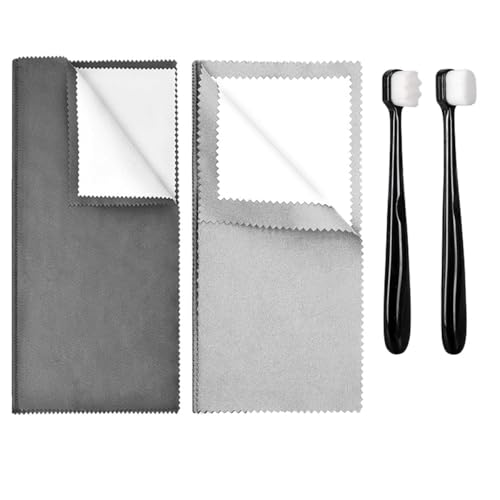
- Nickel jewelry cleaning kit with solution and brush
- Soft bristle jewelry cleaning brush nickel
- Jewelry polishing cloth microfiber nickel care
- Jewelry cleaning solution for nickel plating
- Lint-free microfiber cloths


Before You Start
Before cleaning nickel jewelry, assess the piece for any loose stones, enamel, or tarnished plating. Submerging items with sensitive components in liquids can loosen settings. Always test a small inconspicuous area first. Schedule cleaning after a light wear cycle rather than after heavy exposure to sweat or chlorine. Safety note: avoid harsh solvents or abrasive pads that can scratch nickel’s surface or remove plating.
Step-By-Step: How To Clean Nickel Jewelry
- Inspect the piece for loose stones, damaged clasps, or worn plating. Secure or avoid cleaning damaged items.
- Prepare a mild cleaning solution recommended for nickel plating or general nickel care. Do not use bleach or strong acids.
- Dip the soft bristle jewelry cleaning brush nickel into the solution. Gently loosen dirt around crevices without scrubbing hard.
- For light tarnish, apply a small amount of jewelry cleaning solution for nickel plating to the brush and continue cleaning.
- Rinse the jewelry under lukewarm running water to remove any remaining solution. Do not use hot water, which can affect coatings.
- Pat dry with a soft microfiber cloth, then buff gently with the jewelry polishing cloth microfiber nickel care to restore shine.
- If using an ultrasonic cleaner, place only nickel-safe pieces in the 20 oz stainless steel tank with the appropriate solution and run a short cycle. Remove and rinse thoroughly afterwards.
- Dry completely, especially in clasps or joints, to prevent water spots and corrosion.
- Inspect again for dull spots or remaining grime and repeat the gentle cleaning if necessary.
- Store in a cool, dry place or a soft pouch to minimize tarnish between wearings.
- For plated nickel pieces, avoid abrasive scrubbing and frequent ultrasonic use to preserve plating layers.
- Periodically reapply a protective microfiber polishing cloth to maintain luster and reduce fingerprint buildup.
Troubleshooting
| Symptom | Likely Cause | Fix | Prevention |
|---|---|---|---|
| Dull, cloudy appearance | Surface oxidation or residue | Gently re-clean with mild solution and soft brush, then buff with microfiber cloth | Regular maintenance; avoid harsh cleaners |
| Stains near stones or settings | Cleaning solution seepage or tight settings | Use minimal solution near stones; rinse carefully | Use a dedicated brush for settings; perform spot-cleaning |
| Discoloration on plating | Over-cleaning or incompatible solution | Switch to nickel-safe solution and shorter cycles | Follow product instructions; avoid aggressive methods |
| Stuck clasps or bent components | Too much force during cleaning | Use light touch and lubricate hinges with a tiny amount of oil if needed | Gentle handling; regular inspection |
Common Mistakes To Avoid
- Using abrasive pads or strong solvents on nickel surfaces
- Soaking items with glued stones or enamel for long periods
- Relying on ultrasonic cleaning for heavily plated or delicate pieces
- Skipping rinsing, leaving cleaning solution on the metal
Being mindful of these missteps helps preserve nickel finishes and prolong wearability.
Tips For Best Results
- Clean nickel jewelry after exposure to sweat, saltwater, or chlorine to prevent tarnish buildup.
- Use a dedicated cleaning kit with a brush designed for nickel to reach tight areas.
- Buff with a microfiber nickel care cloth to minimize micro-scratches and maximize shine.
- When storing, keep pieces in a soft pouch away from direct sunlight to limit tarnish.
- Test any new product on a hidden area first to ensure compatibility with plating or finishes.
Call A Professional
Seek professional help if nickel jewelry shows signs of significant wear, visible coating loss, loose stones, or structural damage. Stop using ultrasonic cleaners on pieces with delicate enamel, glued stones, or compromised settings. If a red or green tint appears after cleaning, discontinue use and consult a jeweler for assessment.
FAQ
Can I clean nickel jewelry with household cleaners?
Avoid household cleaners that contain ammonia or bleach; they can damage nickel finishes or plating.
Is ultrasonic cleaning safe for all nickel pieces?
Not all nickel jewelry is equal. Ultrasonic cleaning is generally safe for solid nickel or well-protected pieces; avoid it for delicate enamels or loose settings.
How often should I clean nickel jewelry?
Clean lightly after wear and deep-clean monthly or as needed based on wear conditions.
What should I do if nickel jewelry turns green or dark?
Discontinue aggressive cleaning and consult a jeweler for assessment and potential re-plating or sealing.
Are there specific products designed for nickel care?
Yes, use products labeled for nickel plating care and a nickel-safe polishing cloth for best results.
Buying Guide
When selecting cleaning tools for nickel jewelry, consider size, materials, and compatibility with nickel. Size should match the pieces you own and the space you have for storage. Noise level matters if you plan to use an ultrasonic cleaner in a shared area. Energy efficiency helps for regular use. Controls should be simple and intuitive, with clear instructions for different materials. Placement matters too; keep cleaning gear away from heat sources and out of reach of children. The goal is to balance effective cleaning with safe, gentle treatment of nickel finishes for long-lasting shine.