The sight of dog vomit slime mold, a pale, foamy mass that can resemble spilled curd, often appears in yards after warm, humid days. While it’s not dangerous to humans or pets, it can be unsightly and indicate decaying mulch or organic debris. This guide provides practical steps to safely remove the slime mold and reduce future growth, using common outdoor cleaning tools.
Effective cleanup combines physical removal, surface disinfection, and proactive yard maintenance. The following methods emphasize safe handling of moldy materials and appropriate disposal to keep outdoor spaces clean and healthy for families and pets.
Quick Answer
Best first steps: remove the visible slime mold with a stiff nylon brush, rinse with a garden hose, and bag the debris for disposal. For stubborn mats, a pressure washer can be used carefully, followed by a thorough mulch refresh. Replace mulch with a fresh layer to limit recurrence.
What You’ll Need
- Stiff nylon outdoor scrub brush for mold cleanup
- Garden hose spray nozzle for slime mold removal
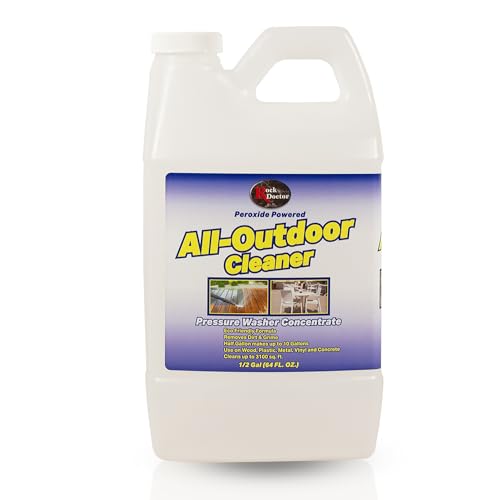
- Pressure washer for outdoor mold and mulch cleanup
- Garden rake for removing moldy mulch
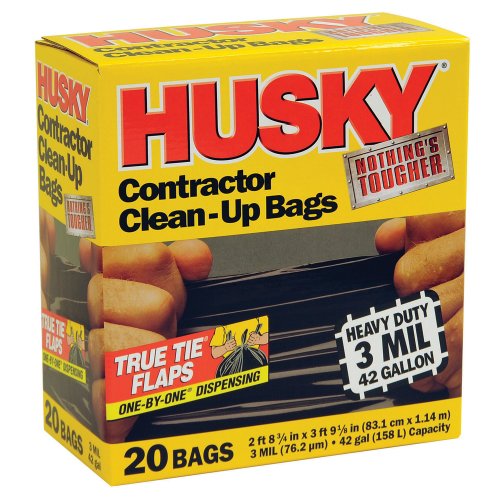
- Heavy duty trash bags for yard cleanup

Before You Start
Before beginning, identify the affected area and check for underlying moisture or decaying mulch that may feed mold growth. Wear gloves and eye protection, and keep pets away during cleanup. If mold mats are extensive, consider sectioning off the area to minimize spread. Time estimates range from 20 minutes for small patches to 1–2 hours for larger infestations.
Caution: Do not spray mold directly onto living plants, and avoid mixing chemicals with soil or compost without guidance. If you have a compromised immune system or allergies, proceed with extra care or seek professional help.
Step-By-Step: How To Remove Dog Vomit Slime Mold
- Put on protective gloves and goggles, then visually inspect the affected area to determine the extent of slime mold and any contaminated mulch.
- Use the stiff nylon outdoor scrub brush to gently agitate the slime mold, loosening the surface layer without pushing material into plant beds.
- Rinse the area with a garden hose spray nozzle, directing water away from healthy plants to wash away loose spores and debris.
- Carefully collect the loosened material with a garden rake for removing moldy mulch and transfer it into heavy duty trash bags for disposal.
- For stubborn patches, apply a direct, short blast from a pressure washer for outdoor mold and mulch cleanup, using a wide spray to avoid damage to the soil surface.
- Spread a fresh layer of mulch or soil to replace the removed material, grading the area so water drains away and does not pool.
- Water the newly refreshed mulch lightly to settle the material, and monitor the area for new slime mold growth over the next few weeks.
- Consider a brief seasonal cleanup routine: remove decaying mulch at least once per growing season and replace with clean mulch to reduce recurrence.
- Maintain yard hygiene by clearing fallen leaves and organic debris that can feed mold growth, especially in shaded, damp spots.
- If the slime mold returns frequently, review drainage and consider edging beds to limit damp zones that foster growth.
- Dispose of all contaminated materials promptly in a sealed bag to prevent spreading spores to other areas of the yard.
- Post-cleanup, sanitize tools with a bleach solution or a garden-safe disinfectant, then rinse and air-dry before storage.
Troubleshooting
| Symptom | Likely Cause | Fix | Prevention |
|---|---|---|---|
| Slimy patches reappear after cleaning | Remaining spores or damp mulch | Replace mulch and improve drainage | Keep mulch dry and replace annually |
| Discoloration or browning of nearby plants | Mistaken chemical spray or over-wetting | Use milder approach and avoid spraying directly on foliage | Avoid harsh chemicals near vegetation |
| Spore fragments scattered during removal | Improper containment | Bag debris immediately and seal bags | Contain cleanup in a contained area if possible |
| Persistent damp areas | Poor drainage | Improve grading and drainage paths | Regularly monitor moisture levels |
Common Mistakes
- Trying to scrub without protective gear and proper ventilation
- Using high-pressure spray directly on plants or delicate soil
- Ignoring mold in shaded, damp mulch beds
- Relying on mulch as a perpetual solution without replacement
- Disposing of contaminated material in unsealed bags or compost
Tips For Best Results
- Schedule cleanup on dry, mild days to minimize spores becoming airborne
- Use a wide nozzle on the garden hose to avoid soil erosion during rinsing
- Replace mulch with a lighter color to reflect heat and reduce moisture retention
- Edge beds to limit water pooling and create better airflow
- Store tools clean and dry to prevent residual mold from spreading
Call A Professional
When slime mold covers large garden areas, or if there is persistent dampness despite routine maintenance, consider a professional assessment. Seek help if you notice widespread decay in mulch, signs of persistent odor, or if drainage issues appear in multiple beds. A pro can diagnose moisture problems, recommend suitable mulch alternatives, and provide safe removal strategies to prevent reoccurrence.
FAQ
What exactly is dog vomit slime mold?
Dog vomit slime mold is a common name for a slime mold that appears as pale, foamy patches on mulch and soil surfaces, often resembling spilled vomit. It’s a harmless organism that thrives in moist organic matter.
Is it safe to touch or remove slime mold?
Yes, with gloves. Avoid inhaling spores and thoroughly wash hands after cleanup. Keep pets away during removal and dispose of debris in sealed bags.
Can regular yard maintenance prevent slime mold?
Regularly clearing debris, improving drainage, and replacing mulch periodically reduces favorable conditions for slime mold growth.
Do I need to use chemicals to remove it?
Chemical options are not required; physical removal and mulch management are effective. If you choose a chemical approach, use pet-safe products and follow label directions carefully.
Buying Guide
When selecting tools to manage slime mold and mulch cleanup, consider size, durability, and ease of use. For most yards, a combination of a stiff nylon outdoor scrub brush, garden hose spray nozzle, and pressure washer provides effective cleaning without heavy labor. A sturdy garden rake helps remove contaminated mulch, and heavy duty trash bags ensure safe disposal. Look for tools with non-slip grips, corrosion-resistant materials, and compatible accessories (nozzle types, extension rods) to reach shaded or elevated areas.
Key buying factors include:
- Size and reach: Ensure handles are comfortable and long enough to reach mulch beds without bending.
- Noise level and vibration: Pressure washers vary in noise; choose models with vibration reduction for comfort.
- Energy efficiency and fuel source: Electric tools are quieter and cleaner for small to medium jobs; gas-powered options offer portability for large properties.
- Controls and ergonomics: Simple trigger controls and adjustable spray patterns save time and reduce fatigue.
- Placement flexibility: Tools should be easy to store and maneuver around garden beds and outdoor furniture.
For maintenance, store tools dry, clean after use, and inspect hoses and fittings for wear. A proactive approach, combining proper tools and seasonal mulch management, helps keep dog vomit slime mold under control and promotes a cleaner outdoor living space.