The Christmas cactus is a popular houseplant known for its vibrant blooms and forgiving nature. Regular gentle cleaning helps keep foliage vibrant, improves light absorption, and reduces dust buildup that can affect photosynthesis. This guide provides practical, step-by-step instructions tailored for American homes and available tools, ensuring leaves stay healthy without damage.
Quick Answer
Use a soft microfiber cloth or a delicate plant brush to wipe the leaves gently. For stubborn dust, lightly mist with water and wipe again. Avoid harsh chemicals and high-pressure sprays. Clean regularly, especially during low-humidity periods indoors.
What You’ll Need
- Soft microfiber plant cleaning cloth for Christmas cactus leaves
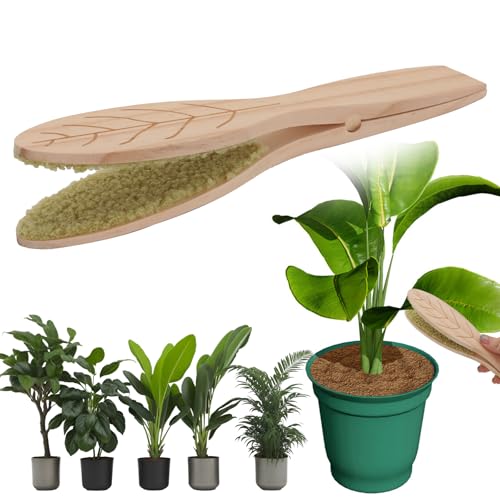
- Delicate plant brush with soft bristles for houseplants
- Silicone plant cleaning brush for succulents and Christmas cactus
- Mini handheld plant grooming brush for cactus leaves
- Spray bottle for misting and cleaning indoor plants


Before You Start
Before cleaning, inspect the plant for signs of pests, yellowing, or leaf damage. Work in a well-lit area near a sink or basin to catch runoff. Use lukewarm water and avoid soaking the soil, which can promote root issues. Keep cleaners and tools clean between uses to prevent transferring pests or diseases. Plan for a 10–20 minute session, depending on plant size and dust level.
Step-By-Step: Cleaning Christmas Cactus Leaves
- Place the plant on a stable surface and loosen any lightweight soil clumps near the pot edge to prevent splashing soil on leaves.
- Dust the leaves by gently brushing with a delicate plant brush with soft bristles in a downward motion, following the leaf contours.
- If dust persists, lightly mist the leaves with a spray bottle for misting using plain water at room temperature.
- Wipe each leaf with a soft microfiber plant cleaning cloth, focusing on the upper surface first, then the underside where dust collects.
- For sticky residue, dampen the cloth slightly and wipe again; avoid saturating the soil or crown of the plant.
- Scan for pests while cleaning. If pests are detected, quarantine the plant and follow a separate treatment plan.
- Rotate the plant to ensure even cleaning and light exposure after the session.
- Return the plant to its regular spot, ensuring good air circulation to prevent fungal growth.
- Clean your tools immediately after use and let them dry before storing to prevent mold.
- Schedule routine cleaning every 4–6 weeks or after noticeable dust buildup, adjusting frequency with indoor humidity changes.
- Consider a light misting schedule during dry winter months to aid dust control and leaf hydration.
- If leaves appear pale or brittle after cleaning, reassess watering and light conditions to support recovery.
Troubleshooting
| Symptom | Likely Cause | Fix | Prevention |
|---|---|---|---|
| White film on leaves after cleaning | Mineral deposits from water | Use distilled or rainwater for misting | Brush leaves with a microfiber cloth after misting |
| Leaves curling after cleaning | Overwatering or insufficient light | Check soil moisture and move plant to brighter area | Water only when the top inch of soil is dry |
| Leaves turning translucent | Too much moisture on leaf surface | Dry the leaves with a dry cloth; avoid pooling moisture | Use light misting and quick wipe |
| Pests observed after cleaning | Existing infestation | Isolate plant and treat with appropriate methods | Inspect regularly when cleaning |
Common Mistakes
- Using harsh brushes or hard scrubs that damage delicate leaf surfaces
- Over-wetting leaves or soil, which can promote root and stem issues
- Cleaning in direct sunlight, risking sunburn on leaf tissue
- Ignoring dust buildup in hard-to-reach areas like the plant crown
Tips For Best Results
- Choose a calm, low-dust day for cleaning to minimize new dust settling during the session
- Work slowly and methodically, never scrubbing aggressively on creases or folds
- Pair brushing with light misting to lift dust without saturating foliage
- Use separate tools for cleaning and grooming to prevent cross-contamination with pests
- Establish a simple routine: brief wiping weekly or biweekly to reduce buildup
Call A Professional
Contact a plant care professional if you notice persistent yellowing, significant leaf drop, or suspected disease that doesn’t improve after cleaning. Seek expert advice for severe pest infestations or signs of root rot, mold, or unusual lesions.
FAQ
How often should I clean Christmas cactus leaves?
Generally every 4–6 weeks, or sooner if dust accumulates noticeably.
Can I use dish soap to clean the leaves?
Avoid soap-based cleaners; use plain water or a damp microfiber cloth to prevent residue on leaves.
Should I remove dirty leaves during cleaning?
Only remove leaves if they are damaged or diseased; otherwise clean gently and leave healthy foliage intact.
Is misting necessary for cleaning?
Misting helps loosen dust on the leaf surface but should be light and followed by wiping with a cloth.
What if leaves get damaged during cleaning?
Pause cleaning, assess moisture levels and light, and consider professional guidance if damage persists.
Can cleaning affect blooming?
Regular gentle cleaning helps leaves photosynthesize better, supporting bloom potential.
What is the best light after cleaning?
Provide bright, indirect light to promote healthy growth and flowering without scorching the leaves.
Buying Guide
When selecting tools for cleaning Christmas cactus leaves, consider size, material, and how the tools contact leaf surfaces. A combination of soft brushes and microfiber cloths generally delivers the best results. Look for tools designed for delicate foliage to avoid abrasion. Consider a light misting spray bottle with adjustable head to control spray intensity. The right set should include a soft microfiber plant cleaning cloth for Christmas cactus leaves and a delicate plant brush with soft bristles for houseplants, ensuring safe, gentle care. For larger plants, a silicone plant cleaning brush for succulents and Christmas cactus can help reach intricate leaf folds without harsh pressure. A mini handheld plant grooming brush for cactus leaves offers precise control, especially on densely packed areas.
Key buying factors include:
- Size and grip: Comfortable handles for steady brushing without fatigue
- Material softness: Avoids scratches on delicate cuticles
- Water usage: Misting vs. direct soaking to protect roots
- Control and reach: Flexible brushes for tight leaf clusters
- Durability: Long-lasting blends that resist moisture and wear
Placement considerations: keep cleaning supplies within easy reach near the plant’s usual spot, but away from strong direct sunlight and heat vents. Maintain a regular cleaning schedule that aligns with seasonal indoor humidity changes to preserve leaf quality and plant health.