Accent pillows add color and texture to living spaces, but they can collect dust, oils, and spills. This guide provides practical steps to refresh a range of pillow fabrics, using common tools and safe methods. Readers will learn how to spot-clean, refresh, and maintain decorative pillows without damaging delicate materials.
Quick Answer
For most fabric pillows, start with light vacuuming and spot cleaning, then use a gentle fabric cleaner or a fabric steamer for deeper refreshment. Always check care labels before applying water or cleaners. If a stain persists, consider a professional cleaning for delicate fabrics.
What You’ll Need
The following tools cover a broad set of pillow fabrics and finishes. Use the closest match to your pillow and test on an inconspicuous area first.
- Fabric steamer for upholstery and pillows
- Stain remover for fabric upholstery pillows spray
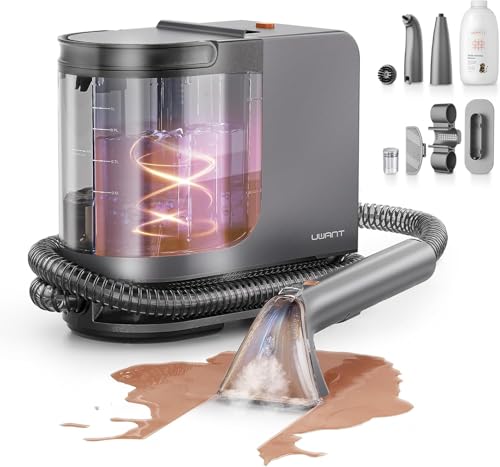
- Handheld vacuum with brush for upholstery pillows
- Pillow cleaning brush for upholstery fabric
- Lint roller for velvet pillow cleaning


Before You Start
Prepare the cleaning area by laying a clean towel or drop cloth to catch any drips. Work in a well-ventilated space, especially when using sprays. Check the care label on each pillow; some fabrics require dry cleaning or only spot cleaning. Never soak feather-filled pillows; moisture can damage the filling and cause odors. Allow pillows to dry completely before placing them back on furniture. Estimate 15–60 minutes for spot cleaning and 1–3 hours for full drying, depending on fabric and filling.
Step-By-Step: How To Clean Accent Pillows
- Remove pillow covers if they are removable; launder according to the care label or hand wash delicate fabrics.
- Vacuum the pillow surface with a handheld vacuum using a brush attachment to lift loose dust and pet hair.
- Gently brush nap-sensitive fabrics with a pillow cleaning brush to loosen surface dirt without crushing fibers.
- For light stains, apply a spray stain remover for fabric upholstery pillows to the stained area and blot with a clean cloth. Avoid rubbing, which can spread stains.
- If the cover is washable, run a gentle cycle with a mild detergent and air dry away from direct heat; for non-washable fabrics, use a damp cloth and light cleaner in small sections.
- For velvet or plush fabrics, use a lint roller to lift remaining fuzz and lint after cleaning and drying to restore texture.
- Use a fabric steamer on low heat to relax fibers and remove wrinkles; keep the steamer a few inches away to avoid soaking the fabric.
- Spot-check any stubborn area again after drying; repeat cleaning steps as needed for persistent stains.
- Reassemble pillow inserts and place pillows back on furniture once fully dry to prevent moisture-related odors.
- Vacuum one final time to pick up any loosened fibers and reset the fabric’s nap.
- Store or display pillows in a cool, dry area to minimize future staining and fabric wear.
- For delicate or antique pillows, consult the manufacturer’s care instructions or a professional cleaner before attempting home cleaning.
Troubleshooting
| Symptom | Likely Cause | Fix | Prevention |
|---|---|---|---|
| Dull fabric after cleaning | Excess moisture or heat damage | Air dry completely; avoid high heat | Test cleaners on inconspicuous area first |
| Stains reappearing | Embedded stain beneath surface fibers | Reapply stain remover and blot from outside in | Treat stains promptly |
| Fabric nap shrinking or flattening | Overzealous brushing or heat | Brush gently, use low heat steam | Follow fabric care guidelines |
| Color bleeding | Bleed-prone dyes | Rinse with clean water, air dry; consider professional cleaning | Wash dark and light fabrics separately |
| Foul odor after cleaning | Moisture trapped in filling | Dry thoroughly; use a deodorizing spray suitable for fabrics | Ensure complete drying before reusing |
Common Mistakes
- Using hot water on delicate fabrics that are labeled dry clean only
- Rubbing stains aggressively, causing fiber damage or spread
- Soaking pillows with foam or down-filled inserts
- Using harsh chemical cleaners that discolor or weaken fabric
- Skipping a test spot on a hidden area before full cleaning
Tips For Best Results
- Test any cleaner on an inconspicuous corner of the pillow to ensure colorfastness.
- Work from the outside of a stain toward the center to prevent spreading.
- Use the lowest effective heat setting on a fabric steamer to avoid crush marks.
- Regularly vacuum and brush pillows to prevent buildup of dust and pet hair.
- Rotate pillows seasonally to distribute wear evenly.
Call A Professional
Consider professional cleaning in these cases: delicate fabrics with unclear care labels, antique or hand-embroidered pillows, or stains that have set for a long period. If the pillow has persistent odors after multiple cleanings, or if there are signs of mold or mildew, a pro can safely restore fabric integrity.
FAQ
Can I wash decorative pillow covers in a washing machine?
Many covers are machine washable, but always verify the care label and use a gentle cycle with mild detergent. Air dry unless the label permits tumble drying.
What should I do about velvet or velour pillow fabrics?
Velvet and velour respond well to light brushing and a lint roller; avoid over-wetting and use a low-heat steam to refresh nap.
Is it safe to use a stain remover spray on all fabrics?
No. Check the fabric type and test on a hidden area first; some fabrics may discolor or weaken with certain cleaners.
How long should pillows dry after cleaning?
Most pillow covers dry within a few hours; inserts may take longer. Ensure complete dryness to prevent odors and mildew.
Should I replace pillow inserts after cleaning?
Not necessarily, but if the insert has lost shape, lumpiness, or odor, replacing or fluffing the insert can improve overall appearance and comfort.
Buying Guide
When selecting pillows and care tools, consider size, fabric type, and how you plan to clean them. Are the pillows primarily decorative or high-traffic? If you experience frequent spills or pet-related messes, choose tighter weaves and colorfast fabrics that handle spot cleaning well. For noise-sensitive environments or households with allergies, look for upholstery fabric cleaners that are fragrance-free and non-irritating. Evaluate a cleaning toolkit that includes a fabric steamer, stain remover spray, a handheld vacuum with brush, a pillow cleaning brush, and a lint roller for velvet finishes. Compatibility with pillow covers and inserts is essential for maintaining a fresh look.