Stair runners add style and safety to a staircase, but they also attract dirt, dust, and allergens. Proper cleaning extends the life of the carpet and keeps foot traffic smelling fresh. This guide walks American households through a practical, step-by-step approach using common tools that many people already own or can easily purchase.
Whether the runner is thin or plush, regular maintenance reduces staining and helps preserve color. The following methods emphasize safe, efficient cleaning tailored for stairs, with options for dry and wet cleaning to fit different messes and fabrics.
Quick Answer
Use a vacuum with a stair nozzle and brush attachment to remove loose debris first. For embedded stains, gradually apply a carpet cleaning solution with a handheld carpet cleaner for stairs or a steam cleaner for stairs with upholstery tool, then blot dry. Finish with a soft brush to restore nap and protect the fibers.
What You’ll Need
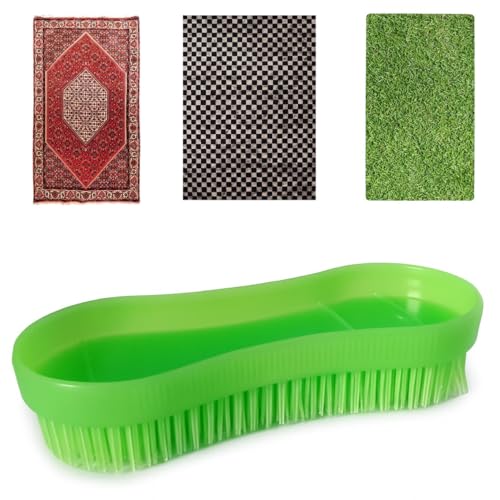
- Stair runner cleaning brush for stairs
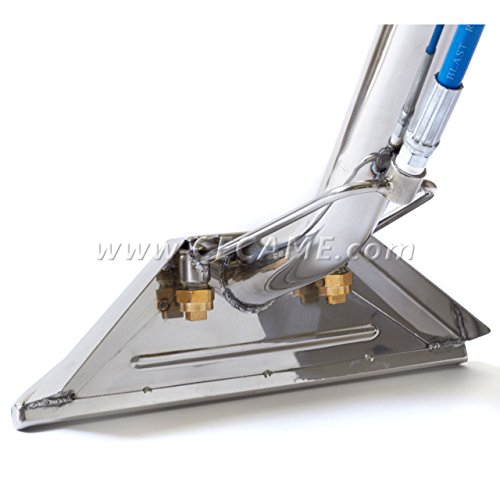
- Carpet cleaning wand for stairs
- Handheld carpet cleaner for stairs
- Steam cleaner for stairs with upholstery tool
- Vacuum with stair nozzle and brush attachment

Before You Start
Clear the staircase of small objects and ensure pets and children are away during cleaning. Test any cleaning solution in an inconspicuous area of the runner to prevent discoloration. Work from the top of the stairs downward to avoid re-wetting cleaned sections. Allow ample drying time between damp cleaning passes.
Important safety note: If the runner is damaged, frayed edges, or the backing shows through, stop cleaning and consult a professional. Prolonged exposure to moisture can lead to mold growth in poorly ventilated spaces.
Step-By-Step: How To Clean A Stair Runner
- Prepare the area and tools, arranging a towel or plastic sheeting to protect surrounding floors from moisture.
- Vacuum the entire runner using a vacuum with stair nozzle and brush attachment. Move in the direction of nap and use slow, deliberate passes to lift dirt from fibers.
- Inspect for stains and treat high-traffic spots with a suitable stain remover. Apply sparingly and test on a hidden area first.
- Using the stair runner cleaning brush for stairs, gently agitate stained areas to loosen fibers without damaging the nap.
- If using a handheld carpet cleaner for stairs, fill the reservoir with the recommended solution and work in small sections. Vacuum recovery water to avoid over-wetting.
- For stubborn or deep stains, employ a steam cleaner for stairs with upholstery tool. Glide the tool slowly, allowing steam to penetrate fibers without soaking the backing.
- Blot damp areas with a clean towel to remove excess moisture and promote faster drying. Avoid rubbing aggressively to prevent fiber damage.
- Let the runner air-dry completely. If possible, raise the stairs or use fans to speed up evaporation and prevent mold growth.
- Once dry, re-vacuum to lift nap and restore appearance. Lightly brush with the stair runner cleaning brush for stairs to re-fluff fibers.
- Replace furniture and reintroduce traffic gradually. Consider routine maintenance to prevent heavy staining.
- Note any lingering odors and address them with a fresh dry cleaning method or a deodorizing solution designed for carpets.
Troubleshooting
| Symptom | Likely Cause | Fix | Prevention |
|---|---|---|---|
| Stains reappearing after cleaning | Humidity or insufficient drying | Increase ventilation; use fans; ensure complete drying | Clean during dry, sunny days if possible |
| Fibers matted after cleaning | Over-wetting or aggressive scrubbing | Limit moisture; use gentle agitation; resume brushing after dry | Test cleaner on hidden area; use light strokes |
| Color fading on nap | Harsh cleaners or high heat | Switch to milder cleaner; avoid hot steam near colorfast edges | Follow manufacturer guidelines for cleaners |
| Streaks or water marks | Uneven application of solution | Apply evenly in small sections; blot excess moisture | Use consistent technique across sections |
Common Mistakes
- Over-wetting the runner, which leads to extended drying times and potential mold.
- Using harsh chemicals that fade or damage fibers.
- Not testing cleaners on a hidden area before full application.
- Rubbing vigorously, which can fray edges and dull nap.
Tips For Best Results
- Schedule routine vacuuming to prevent dirt from embedding into fibers.
- Match cleaning methods to the runner’s material and backing—some stairs benefit from steam for deep cleaning, others from dry shampoo techniques.
- Protect adjacent flooring by using drop cloths or towels during cleaning sessions.
- Use a color-safe, carpet-specific cleaner to maintain vibrancy and longevity.
- Periodically rotate traffic patterns or add doormats at entry points to reduce soil load.
Call A Professional
Consider professional help if the runner shows large stains, persistent odors, or backing damage. Stop cleaning and contact a pro if you notice extensive wear, water stains, or if the carpet is attached to a stair-stepped runner that requires specialized equipment. Sudden swelling or loosening of the carpet backing warrants expert assessment.
FAQ
Can I use steam cleaning on a stair runner?
Yes, a steam cleaner for stairs with upholstery tool can be effective, but test first and avoid saturating the backing.
What is the best order for cleaning a stair runner?
Vacuum first, then treat stains, clean with a cleaner or steam method as needed, and finish with a thorough drying and light nap restoration.
Are there safer cleaners for colorfast runners?
Yes, use mild, carpet-safe cleaners designed for synthetic or natural fibers, following product directions.
How often should I clean a stair runner?
Vacuum weekly and deep-clean every 6–12 months, or sooner in high-traffic areas.
Is it OK to use a regular vacuum on a delicate runner?
Use a vacuum with a gentle setting and a brush attachment suitable for delicate nap and backing.
Buying Guide
When choosing tools and methods for cleaning a stair runner, consider size, noise level, energy efficiency, controls, and placement. Size matters for staircases with tight treads—compact cleaners and wands are easier to maneuver. Noise levels affect home environments, especially in multi-story homes; look for models with quieter operation. Energy efficiency matters for extended cleaning sessions and reduces utility use. Controls should be intuitive, with clear settings for steam, suction, and spray. Placement and storage options are important for small closets or alcoves; prefer lightweight tools that store neatly on a landing. Compare models that pair vacuum performance with effective attachments designed for stairs and upholstery to simplify maintenance.