Clean indoor air supports better comfort, health, and energy levels. This guide walks through practical steps to improve air quality using common home devices and routine maintenance. Readers will find actionable methods that fit various room sizes and needs, from bedrooms to living spaces.
Air quality hinges on filtration, humidity, and microbial control. With the right approach, households can reduce dust, pollen, odors, and bacteria while keeping energy use reasonable. The steps below cover effective strategies for a typical American home, including how to choose and use air purification tools safely and efficiently.
Quick Answer
Use a high-quality air purifier sized for your space, replace filters on schedule, and maintain balanced humidity. For broader protection, combine a purifier with a humidifier and consider devices with UV-C for bacteria control. Regular cleaning of vents and surfaces helps sustain the benefits.
What You’ll Need
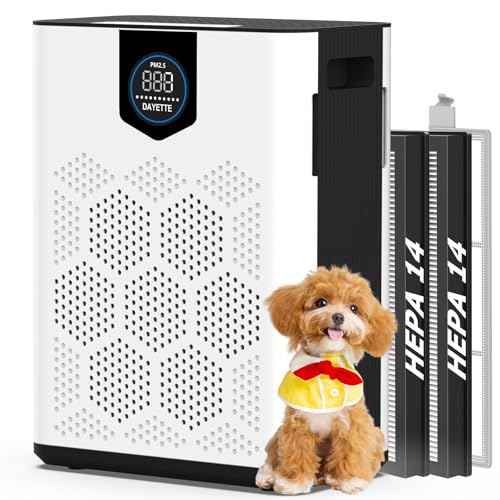
- True HEPA air purifier 300 sq ft with activated carbon filter
- MERV 13 replacement filter for home air purifier 4-pack
- Portable air purifier for allergies bedroom 200-400 sq ft
- Air purifier with UV-C light for bacteria control
- Air purifier and humidifier combo unit for whole-home air


Before You Start
Before beginning, identify the primary rooms you want to improve and note their approximate sizes. Place purifiers in central locations away from walls and under shelves. Ensure ducts and vents are accessible for cleaning. Safety note: keep children and pets away from running purifiers to avoid accidental tips or interference with airflow. Time estimates vary by device, but a typical setup spans a few hours for initial placement, with ongoing maintenance monthly.
Step-By-Step: How To Clean The Air In Your Home
- Estimate the total clean air needs by room size and choose purifiers accordingly, prioritizing devices rated for the space.
- Unbox and inspect each unit for completeness, power cords, and any packaging debris that could interfere with airflow.
- Install fresh filters: follow manufacturer instructions for the True HEPA and MERV 13 replacements, ensuring correct orientation and sealing.
- Place units in high-traffic areas such as living rooms or bedrooms, keeping a few feet of clearance on all sides.
- Set appropriate fan speeds and modes. Start with medium speed and adjust based on noise tolerance and air feel.
- Run the purifier continuously for at least 12–24 hours after installation to establish baseline air quality and odor reduction.
- Schedule regular filter changes according to usage and air quality indicators, using the MERV 13 replacement pack for rotation.
- Clean exterior housings and vents monthly with a damp cloth to prevent dust buildup from reducing airflow.
- Combine purifiers with a humidifier if humidity trends below 30–40% in winter months to avoid dry air that can irritate airways.
- Consider a device with UV-C for bacteria control in rooms with higher humidity or where illness risk is a concern, but rely primarily on filtration for particle removal.
- Test air quality periodically with simple indicators like irritant symptoms, airborne dust, or visible odors, and adjust unit placement if needed.
- Maintain a clean environment by vacuuming floors and dusting surfaces to minimize airborne dust levels that purifiers must handle.
Troubleshooting
| Symptom | Likely Cause | Fix | Prevention |
|---|---|---|---|
| purifier runs loudly | fan at high setting or vibration | adjust speed, tighten mounting, or add anti-vibration pads | place on sturdy surface; avoid placing near soft furnishings |
| weak airflow | dirty or mis-seated filter | reinstall or replace with proper filter | set a filter-change reminder |
| persistent odors | activated carbon filter saturated | replace carbon-adsorption stage or add a dedicated unit | refresh filters at recommended intervals |
| illuminate UV-C light not functional | lamp age or safety interlock | check warranty and replace lamp if advised | avoid relying solely on UV-C for cleanup |
| humidifier overfills or leaks | malfunction or incorrect assembly | empty reservoir, reseat parts, test with minimal output | regular maintenance and descaling |
Common Mistakes
- Running purifiers in rooms without doors or with blocked vents, which reduces circulation.
- Overlooking filter replacement schedules, leading to reduced efficacy.
- Relying on a single purifier for a large home instead of appropriately sized units across spaces.
- Neglecting humidity balance, which can cause airways to feel dry or overly damp.
Tips For Best Results
- Match purifier size to room dimensions: aim for a unit that can cycle the room air several times per hour.
- Combine filtration with humidity control for comfortable air without irritants.
- Keep doors and windows closed during Purifier operation to maximize efficiency.
- Schedule true HEPA and carbon filter changes together to simplify maintenance routines.
- Avoid placing purifiers behind furniture or electronics that restrict airflow.
Call A Professional
Consult a professional if you notice persistent mold growth, unusual odors despite filtration, or if the home experiences chronic respiratory symptoms. Seek medical advice for ongoing airway or allergy concerns, and contact an HVAC or air quality specialist for integrated system assessments.
FAQ
How often should I replace filters in a home air purifier?
Follow the manufacturer’s schedule, typically every 6–12 months for HEPA filters and more frequently for high-use environments or activated carbon stages.
Can purifiers remove pollen and dust effectively?
Yes, especially units with True HEPA filtration designed for particle removal across common allergens.
Do I need a humidifier with an air purifier?
Humidifiers help balance indoor humidity, which can affect perceived air quality and respiratory comfort.
Is UV-C necessary for clean air?
UV-C can help reduce bacteria on surfaces and in the air, but it should complement filtration, not replace it.
Where should I place multiple purifiers?
Distribute units to cover key living areas and bedrooms, avoiding direct interference with walls and furniture.
What about energy usage?
Choose energy-efficient models and use timers or smart controls to limit operation to needed periods.
How long before I notice improvements?
Many households report clearer air within a few days, with odor reduction and dust dampening over a couple of weeks.
Are purifiers safe around children and pets?
Most are, but place units where curious pets or kids cannot knock them over or tamper with filters.
Buying Guide
When selecting air-cleaning equipment, consider size, noise, energy efficiency, controls, and placement. A True HEPA air purifier 300 sq ft with activated carbon filter is well-suited for main living spaces, while a Portable air purifier for allergies bedroom 200-400 sq ft fits sleeping areas. If bacteria control is a priority, evaluate models offering Air purifier with UV-C light. For whole-home needs, an Air purifier and humidifier combo unit for whole-home air can simplify setup but might require professional sizing. Look for filter replacement availability, warranty coverage, and certifications like AHAM or ENERGY STAR. Assess noise levels for bedrooms and quiet spaces, ensuring placement allows unobstructed airflow. Finally, compare total cost of ownership, including filters and energy use, to pick a model that fits the household’s routine and space layout.