Regularly cleaning the bottom of a grill helps prevent flare-ups, improve heat distribution, and extend the grill’s life. This guide covers practical steps to remove ash, grease, and debris from charcoal and gas grills, with tools designed for safe and effective cleaning.
Whether you own a charcoal grill or a gas grill, a clean bottom cavity reduces smoke and odor while ensuring better flavor and performance. Follow these steps for a thorough, easy cleanup.
Quick Answer
Best practice: start with cold, cool surfaces, remove loose debris, then use a dedicated cleaning brush for the bottom cavity, grease tray, and ash catcher. Rinse with mild soapy water and dry completely before reuse.
What You’ll Need
- charcoal grill ash pan cleaner brush
- grill bottom grease tray cleaning tool
- ash catcher cleaning brush for charcoal grill
- gas grill bottom cavity cleaner brush
- barbecue drip pan scraper and cleaning brush
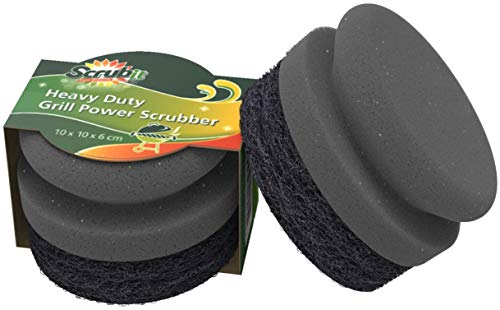


Before You Start
Ensure the grill is completely cool before handling. Disconnect any gas supply or unplug electrical components if applicable. Move the grill to a well-ventilated area and lay down a protective mat or newspaper to catch debris. Remove grills racks to access the bottom cavity. Plan for a 30–60 minute cleanup window depending on buildup. Wear gloves and eye protection to guard against sharp edges and hot ash.
Step-By-Step: How To Clean The Bottom Of A Grill
- Remove the grill grates and set them aside in warm, soapy water to soak.
- Use the ash pan cleaner brush or ash catcher cleaning brush to sweep loose ash from the bottom cavity into the ash bin.
- For heavy buildup, scrub the bottom surface with the grill bottom grease tray cleaning tool to dislodge caked grease.
- Wipe down the interior walls of the bottom cavity with a damp cloth or sponge and apply a mild degreasing solution if needed.
- Scrape the grease tray or drip pan with the barbecue drip pan scraper and cleaning brush to remove sticky residues.
- Rinse all metal parts with clean water and dry thoroughly before reassembling.
- Inspect vents and openings; clear any blockages with a probe or flexible brush.
- Reinsert clean grease tray or drip pan and reinstall the grates, ensuring everything sits evenly.
- Lightly oil the grates to prevent sticking and ease future cleanups.
- Run the grill on a quick, low heat cycle to burn off residual grease and confirm clean operation.
- Dispose of ash and waste in accordance with local regulations and household waste guidelines.
- Schedule routine cleanups after every few uses to maintain optimal performance.
Troubleshooting
| Symptom | Likely Cause | Fix | Prevention |
|---|---|---|---|
| Persistent smoky odor | Grease trapped in bottom cavity | Thoroughly clean with brushes and degreaser | Clean after each grilling session |
| Grease pooling in cavity | Clogged drain or tray | Clear drain lines, replace tray if damaged | Regular tray emptying |
| Rusted bottom surface | Moisture exposure | Dry completely and apply a food-safe protectant if approved | Store grill under cover and dry after cleaning |
| Uneven grill temperature | Flakes of ash blocking vents | Clean vents and interior walls | Regular vent maintenance |
Common Mistakes
- Using abrasive tools on coated surfaces, which can wear the finish
- Leaving moisture in the bottom cavity after cleaning
- Rushing the drying process, leading to rust or mold
- Neglecting ash removal after each cook, which increases flare-ups
Taking a steady, methodical approach prevents damage and ensures long-lasting cleanliness of the grill bottom.
Tips For Best Results
- Clean the bottom cavity soon after cooking to prevent grease from hardening.
- Use a dedicated bottom cavity cleaner brush for efficient grease removal.
- Keep a small trash bag or container nearby to collect ash during cleaning.
- Schedule a monthly deep clean if the grill sees frequent use.
- Store cleaning tools together with the grill for easy access after cooking.
Call A Professional
Consult a professional if you notice significant rust, damaged heat shields, gas line issues, or persistent gas leaks. Do not attempt to repair gas systems beyond basic troubleshooting. If you smell gas, evacuate and call emergency services and the gas supplier.
FAQ
What’s the best brush for cleaning the bottom of a charcoal grill?
A dedicated charcoal grill ash pan cleaner brush or ash catcher cleaning brush is recommended for effective ash removal.
How often should I clean the grill bottom cavity?
Clean after every few uses, with a deeper clean monthly or after heavy grilling sessions.
Can I use soap on the bottom of my grill?
Yes, use mild dish soap and warm water; avoid harsh chemicals that may leave residues.
Is it safe to use metal scrubbers on the bottom cavity?
Avoid aggressive metal scrubbers on coated surfaces to prevent damage; opt for non-abrasive brushes.
Buying Guide
When choosing cleaning tools for the bottom of a grill, consider size compatibility with your grill model, handle length for comfortable reach, and material durability. Noise level isn’t a major concern for cleaning tools, but look for ergonomically designed handles to reduce hand fatigue. Energy efficiency isn’t directly affected by cleaning tools, but a well-maintained grill uses fuel more efficiently. Look for tools with replaceable heads and easy-clean surfaces. Consider storage options—choose tools that fit neatly in a bin or hang on a grill hook. For placement, store tools indoors or in a weather-protected area to extend their life. Compare kits that combine multiple brushes and scrapers for comprehensive cleaning coverage of the bottom cavity, grease tray, and ash catcher. If you grill frequently, investing in a complete cleaning set can simplify maintenance and prolong grill performance.