Montana Silversmiths pieces are known for their distinct finishes and intricate detailing. With proper care, these silver-toned items maintain their shine and extend their life. This guide provides practical steps to clean and preserve Montana Silversmiths jewelry using commonly available products.
Quick Answer
For routine cleaning, use a soft cloth or a specialized Montana Silversmiths cleaning cloth to gently polish the surface. For tarnish, apply a gentle silver tarnish remover or a tailored silver jewelry cleaner, then buff with a polishing cloth. Avoid harsh abrasives, and keep jewelry dry when not wearing it.
What You’ll Need
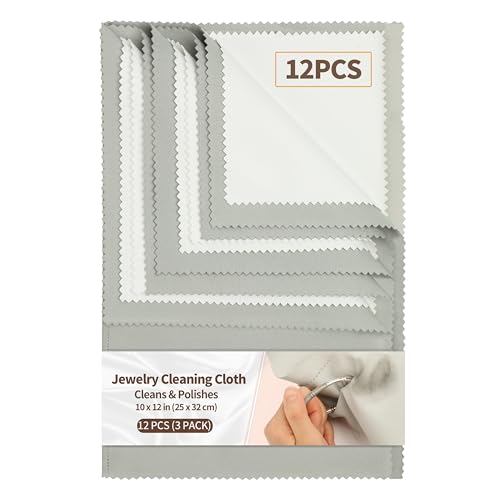
- Montana Silversmiths jewelry cleaning cloth
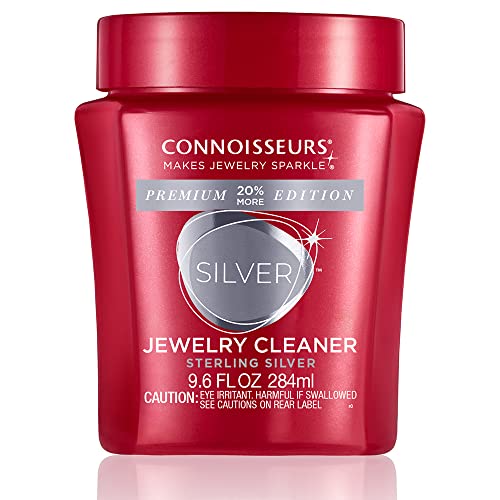
- silver jewelry cleaner for Montana Silversmiths pieces
- Montana Silversmiths jewelry care kit with polishing cloth
- ultrasonic jewelry cleaner for silver and Montana Silversmiths
- gentle silver tarnish remover for Montana Silversmiths jewelry

Before You Start
Plan cleaning in a well-lit area. Remove any loose stones or enamel pieces if possible, as vibrations or liquids can affect settings. Test cleaners on a small, inconspicuous area first to ensure no discoloration occurs. Avoid soaking pieces with glued-in stones. Dry jewelry thoroughly to prevent water spots and mineral deposits.
Step-By-Step: How To Clean Montana Silversmiths Jewelry
- Remove any jewelry from your hands and lay it on a soft cloth.
- Gently wipe with aMontana Silversmiths jewelry cleaning cloth to remove surface oils.
- For tarnish, apply a small amount of gentle silver tarnish remover on a clean cloth and rub lightly in circular motions.
- If using a silver jewelry cleaner for Montana Silversmiths pieces, follow the product’s directions and avoid prolonged soaking.
- For delicate or plated finishes, use the cleanest cloth and minimal product to prevent over-cleaning.
- Rinse relevant pieces briefly if the cleaner requires rinsing, using lukewarm water, then dry thoroughly with a soft towel.
- For more thorough cleaning, place the jewelry in an ultrasonic cleaner set to a gentle cycle and run according to the device’s instructions, ensuring no stones are loose.
- Remove, rinse (if required), and dry completely before storing.
- Buff softly with a clean polishing cloth until the surface shines, paying attention to textured or engraved areas.
- Store in a dry, padded jewelry box or pouch to protect from tarnish and scratches.
Troubleshooting
| Symptom | Likely Cause | Fix | Prevention |
|---|---|---|---|
| Dull finish after cleaning | Over-polishing or inadequate drying | Lightly buff with a fresh cloth; dry thoroughly | Use minimal product; keep pieces dry after cleaning |
| Tarnish returns quickly | Exposure to air, humidity, or oils | Clean again and apply a light protective cloth or storage solution | Store in a sealed, anti-tarnish pouch |
| Stones appear loose | Cleaning agitation or preexisting setting looseness | Do not force; take to a jeweler for setting check | Avoid ultrasonic cleaning on fragile stone settings |
| Discoloration or spots | Harsh cleaner or incompatible finish | Rinse thoroughly and switch to a gentler product | Test cleaners first; use the product designed for Montana Silversmiths |
Common Mistakes
- Using abrasive cleaners or rough cloths on plated finishes
- Soaking jewelry for long periods, especially with glued components
- Cleaning while stones are set or without checking for loose settings
- Not drying pieces thoroughly, which can promote tarnish
Choosing the right method helps preserve the finish and avoid damage. When in doubt, opt for milder cleaners and professional inspection for intricate pieces.
Tips For Best Results
- Clean regularly with a microfiber or Montana Silversmiths polishing cloth to minimize tarnish buildup.
- Aim for routine maintenance rather than deep cleaning, especially for delicate finishes.
- Test any cleaner on an inconspicuous area before full application.
- Store pieces separately to prevent scratches and chemical interactions between finishes.
- Keep jewelry dry between cleaning sessions to reduce tarnish formation.
Call A Professional
Contact a professional jeweler if a piece shows:
- Loose stones or damaged settings
- Unusual discoloration after cleaning
- Significant wear on plating or finish
Complex repairs or re-plating require specialized tools and expertise beyond home cleaning.
FAQ
Can I use toothpaste to clean Montana Silversmiths jewelry?
No. Toothpaste is abrasive and can scratch or dull the finish.
Is ultrasonic cleaning safe for all Montana Silversmiths pieces?
Not for pieces with glued stones or delicate settings; consult product guidelines or a jeweler first.
How often should I clean my Montana Silversmiths jewelry?
Clean regularly with a soft cloth and only deep-clean when tarnish or buildup appears.
What should I store Montana Silversmiths jewelry in?
Use anti-tarnish pouches or lined jewelry boxes to minimize exposure to air and moisture.
Are there Montana Silversmiths-specific cleaners?
Yes—look for cleaners labeled for Montana Silversmiths or compatible silver jewelry products.
Buying Guide
When selecting cleaning and care products, consider size, compatibility, and storage needs. A basic care kit with a polishing cloth and a gentle tarnish remover covers most routine cleaning. For delicate pieces, an ultrasonic cleaner may help, but only if used on appropriate items and settings. Pay attention to safety instructions and test products first. A good care routine reduces tarnish, preserves finish, and extends the beauty of Montana Silversmiths jewelry.
Key Buying Factors
- Size and content of care kits: choose a kit that provides a soft cloth, cleaner, and clear usage instructions.
- Noise level and energy use: ultrasonic cleaners vary; select a model with a gentle setting suitable for jewelry.
- Energy efficiency: compact units typically consume less power; consider models with auto shut-off.
- Controls and settings: simple on/off and cleaning duration controls reduce the risk of user error.
- Placement and storage: keep cleaners away from heat and moisture; store cleaned pieces in anti-tarnish packaging.