Marker stains on painted walls can be stubborn, but with the right approach, most ink can be removed without damaging the surface. This guide lays out practical steps, tools, and safety tips to help American homeowners restore walls to their clean, original appearance.
Quick Answer
Choose a non-abrasive cleaner suited for painted walls, apply gently, and test on a small area first. For fresh ink, a microfiber cloth dampened with water or a dedicated marker remover often works best. For tougher stains, a specialty spray or a stain remover pen can help, followed by a gentle wipe and rinse.
What You’ll Need
- Magic Eraser sponge wall cleaner for marker stains
- Wall cleaner spray for marker ink on painted walls
- Stain remover pen for walls marker ink
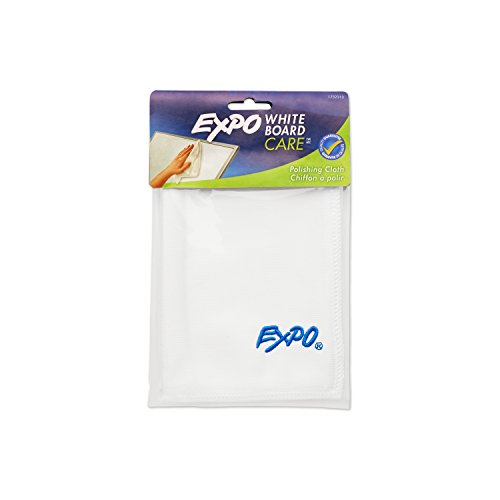
- Microfiber cleaning cloth for removing marker from walls
- Non-abrasive wall cleaner spray marker removal


Before You Start
Identify the wall finish (latex or acrylic paint is common in homes) and test any cleaner on a hidden area first. Work in a well-lit area to spot remaining stains. Protect nearby surfaces with a drop cloth or old towels, and wear gloves if using chemical sprays. Avoid soaking walls which can loosen paint or damage wallpaper. Estimate 15–30 minutes for small marks, up to an hour for extensive staining.
Step-By-Step: How To Clean Marker Off Wall
- Dry brush or blot loose dust from the stained area with a microfiber cloth to prevent rubbing ink deeper into the paint.
- For light stains, dampen a microfiber cloth with clean water and gently rub the area in small circles until the marker begins to lift.
- If ink persists, apply a non-abrasive wall cleaner spray marker removal lightly to the cloth or directly to the wall in a limited area, then wipe with a fresh cloth.
- Test a stain remover pen for walls marker ink on a hidden spot; if safe, use on the stain with light, vertical strokes to avoid smearing.
- For tougher marks, use a damp sponge with a small amount of Magic Eraser sponge wall cleaner for marker stains, pressing gently and avoiding excessive scrubbing.
- Rinse the area with a clean, damp cloth to remove cleaner residue, then pat dry with a dry microfiber cloth.
- Inspect under bright light. If any ghosting remains, repeat the gentle cleaning steps starting from step 2.
- For large or multiple marks, consider repeating the process in sections to prevent over-wetting the wall.
- If the paint shows signs of lift or discoloration, stop and assess with a paint safe repair option before proceeding.
- Finish by allowing the wall to air-dry completely before re-occupying the space.
- Document the outcome and avoid using harsh abrasives on glossy or delicate finishes to prevent future damage.
Troubleshooting
| Symptom | Likely Cause | Fix | Prevention |
|---|---|---|---|
| Ink remains after cleaning | Stubborn dye or deep-set ink | Apply stain remover pen; repeat with gentle cleaning | Clean promptly after staining |
| Paint dulling or lifting | Overuse of cleaner or aggressive scrubbing | Switch to lighter cleaning, damp cloth, rinse | Spot-test cleaners first |
| Ghosting or lighter patch | Uneven cleaning or sunscreen exposure | Gently re-clean the area and re-paint if needed | Use consistent cleaning pressure |
| Streaks after cleaning | Residue from cleaner | Rinse with a clean damp cloth and dry | Use minimal cleaner; wipe in one direction |
Common Mistakes
- Using abrasive sponges that scratch paint
- Over-wetting the wall and causing paint lift
- Not testing cleaners on a hidden area first
- Ignoring fresh stains; waiting too long to treat
- Rubbing ink aggressively, which spreads the stain
Tips For Best Results
- Start with plain water and a microfiber cloth for light stains to preserve wall finish.
- Use a dedicated marker stain remover only after a spot test proves safe.
- Work methodically in small sections to monitor progress and avoid over-cleaning.
- Keep cleaner containers labeled and capped to prevent accidental damage on nearby surfaces.
- Maintain consistent cleaning pressure to minimize streaks and uneven appearance.
Call A Professional
Consult a professional painter or home maintenance expert if:
- The stain covers a large area or multiple walls
- There is signs of paint peeling, bubbling, or wallpaper damage
- Stains reappear after cleaning attempts or cleaners cause color changes
FAQ
Can I use bleach to remove marker stains?
Bleach is generally not recommended on painted walls as it can alter color and finish. Use milder cleaners first and consult a professional if unsure.
Will marker stains reappear after cleaning?
Occasionally, markers may ghost if the stain deeply penetrates porous paint; a touch-up repaint may be necessary for a seamless finish.
Is a Magic Eraser safe on all paints?
Most latex and acrylic paints tolerate it, but test it on a hidden area first to confirm compatibility and avoid damage.
What’s the best method for glossy walls?
Glossy surfaces are easier to clean but can show streaks; use a mild cleaner and wipe with a lint-free cloth in one direction.
Buying Guide
When choosing products to tackle marker stains, consider size and spray reach for quick coverage, along with cleaning strength and material compatibility. For households with kids or high-traffic walls, a non-abrasive, paint-safe option helps prevent damage. Noise level matters for spray tools used near bedrooms or offices, and energy efficiency is relevant for any electric-powered cleaners. Evaluate placement—whether you need a handheld pen, spray bottle, or sponge-based solution for touch-ups. Compare performance using real-world tests on your wall finish, and prioritize products that offer clear testing instructions and safe use guidelines. Would you prefer a simple spray, a pen for precise spots, or a versatile sponge kit that covers both small marks and larger areas? The right combination delivers fast, effective results with minimal risk to the wall surface.