Paint odors can linger after DIY projects, impacting comfort and indoor air quality. This guide provides a practical, step-by-step approach to reduce paint fumes safely and effectively in American homes.
Whether a small room or a workshop, controlling odors quickly improves ventilation and comfort. The methods below emphasize non-ozone emitting options and consumer-grade air treatment to minimize health risks while keeping spaces usable during projects.
Quick Answer
Install a non-ozone emitting air purifier with carbon filtration, create cross-ventilation, and use odor-absorbing materials like activated carbon or charcoal bags. For persistent smells, add a portable purifier with a carbon filter and run it continuously during and after painting.
What You’ll Need
- Activated carbon air purifier for paint fumes
- Charcoal odor absorber bags for paint smell
- Portable HEPA air purifier with carbon filter paint fumes
- Paint smell removal fan vent kit
- Non-ozone emitting air purifier for paint fumes


Before You Start
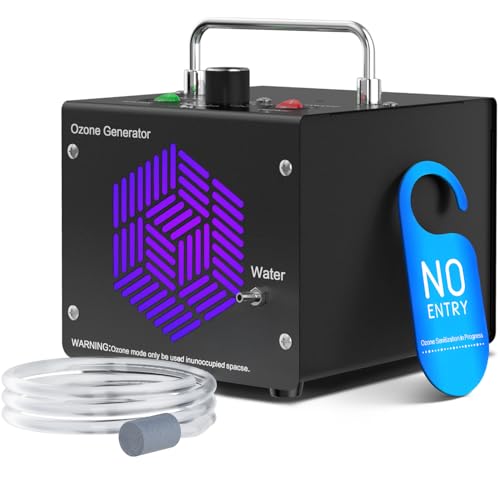
Clear the area of people and pets while painting and for several hours after completion. Seal containers tightly to minimize emissions and ventilate by opening windows or doors if outdoor air quality is safe. Avoid using ozone generators, which can irritate lungs and skin. Time estimates vary with room size; plan several hours to a full day for thorough odor reduction, depending on ventilation and product usage.
Step-By-Step: How To Get Rid Of Paint Smell
- Ventilate the space by opening windows and doors to create a cross-breeze, if weather permits.
- Set up a non-ozone emitting air purifier for paint fumes in the room to start filtering air immediately.
- Place a activated carbon air purifier for paint fumes in the strongest odor zone, typically near drying areas or where you painted most.
- Use charcoal odor absorber bags for paint smell around corners, behind furniture, and near vents to capture lingering scents.
- Schedule regular filtration: run purifiers continuously during the first 24–48 hours, then taper as odors fade.
- Introduce a paint smell removal fan vent kit to pull air out through an exterior vent or window exhaust, if available.
- Keep paint lids closed and store leftover paint in a cool, sealed container to prevent ongoing emissions.
- Dust and wipe surfaces with a damp cloth to remove film that can trap odors on walls and furniture.
- Consider a second purifier in adjacent spaces to prevent odor transfer between rooms.
- Check humidity; use a dehumidifier if air feels damp, which can slow scent dissipation.
- Reassess after 24 hours; if odors persist, extend filtration or repeat the ventilation cycle in cycles (30–60 minutes on, 15 minutes off).
- Once odors subside, gradually reintroduce occupancy and continue occasional filtration for another day or two if needed.
Troubleshooting
| Symptom | Likely Cause | Fix | Prevention |
|---|---|---|---|
| Persistent odor after ventilation | Inadequate air exchange | Increase purifier placement and add an exhaust vent | Plan longer initial airing period |
| Weak airflow from purifier | Filters clogged or wrong placement | Replace filters and reposition unit | Place units away from obstructions |
| Odor returns after a few hours | Fresh emissions from recently painted areas | Keep purifiers running and extend ventilation window access | Allow longer curing and airing times |
| Ground-level odors stronger | Smell escaping from carpets/floors | Use odor absorbers around baseboards | Seal floor areas before painting next time |
Common Mistakes
- Relying solely on fans without filtration; air movement alone doesn’t remove volatile compounds.
- Using ozone-based devices, which can irritate airways and produce secondary pollutants.
- Closing windows too soon after painting, trapping fumes inside the room.
- Not placing purifiers near the main odor source or blocking vents with furniture.
Tips For Best Results
- Choose non-ozone emitting air purifier for paint fumes models with carbon filters for strong adsorption of solvents.
- Combine filtration with active ventilation for fastest odor reduction.
- Pair purifiers with odor absorbers like charcoal odor absorber bags for paint smell to boost effectiveness in smaller spaces.
- Run purification equipment during off-hours as well to prevent rebound odors when doors are opened again.
- Look for units with replaceable carbon or activated carbon cartridges for ongoing performance.
Call A Professional
Stop signs for seeking professional help include persistent headaches, throat irritation, or odors that do not fade after several days of filtration and ventilation. If painting involved heavy solvent use or you notice ongoing health symptoms, contact an environmental health professional or indoor air quality specialist.
FAQ
How long does it take to remove paint smell?
Most spaces improve within 24–48 hours with active ventilation and filtration, but larger rooms or heavy coatings may require more time.
Can I use essential oils to mask paint odors?
Masking odors is not recommended as a sole solution; use odor absorbers and purifiers first, then consider mild scent options if necessary.
Is it safe to sleep in a freshly painted room?
Avoid sleeping in a room while paints are curing if strong fumes are present; ensure adequate ventilation and filtration before occupancy.
What kind of filter should I choose?
Look for a portable HEPA air purifier with carbon filter paint fumes or similar non-ozone models designed for solvent odors.
Do I need multiple purifiers?
In larger areas or adjoining rooms, multiple purifiers improve air turnover and speed up odor removal.
Should I throw away open cans of paint?
Sealed containers minimize emissions; open cans increase odor release—properly seal and store or dispose following local guidelines.
Can I use a fan alone to remove fumes?
Fans help with air movement but do not remove volatile compounds; combine with dedicated odor filtration for best results.
Buying Guide
When selecting products to combat paint smells, consider size, noise, energy use, and placement. A compact, low-noise purifier with a carbon filter is ideal for bedrooms and small studios, while larger sites may benefit from two or more units. Prioritize non-ozone emitting air purifiers to ensure safety, and choose models with replaceable carbon cartridges for ongoing efficacy. For homes with poor natural ventilation, a paint smell removal fan vent kit can be a practical permanent addition to exhaust fumes to the outdoors. Think about placement: keep purifiers near the main odor sources but away from walls or textiles that could trap air. Finally, plan for ease of use—filter replacement indicators and simple controls help maintain consistent performance without guesswork.