Laminate floors offer the look of real wood with practical durability, but keeping them looking fresh requires gentle, effective cleaning. This guide explains natural methods and safe products to preserve shine, prevent warping, and minimize residue on everyday laminate surfaces.
By following simple steps and using the right tools, homeowners can maintain a clean, streak-free finish without harsh chemicals.
Quick Answer
Use a damp microfiber mop with a natural laminate floor cleaner spray or a vinegar-free laminate floor cleaner, then dry with microfiber cloths to avoid moisture buildup. Avoid soaking the floor; frequent light cleanings beat heavy scrubs for laminate longevity.
What You’ll Need
- Microfiber mop for laminate floors
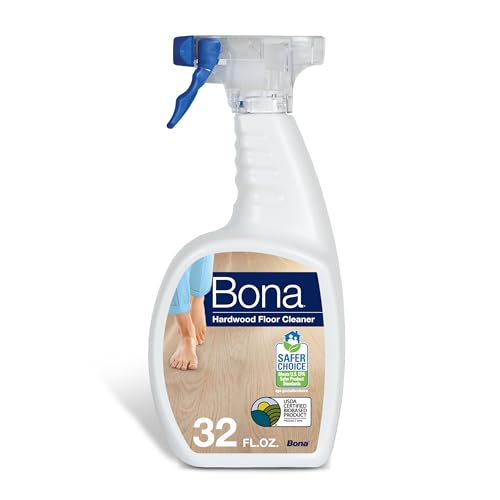
- Natural laminate floor cleaner spray
- Vinegar-free laminate floor cleaner
- Microfiber cleaning cloths for laminate floors
- Laminate floor mop with reusable pads


Before You Start
Check the floor’s warranty and manufacturer recommendations before cleaning. Use a minimal amount of liquid to avoid swelling or edge lifting. Test any cleaner in a small, inconspicuous area first.
Safety notes: Keep cleaners away from children and pets, and ensure good ventilation. Do not use ammonia-based products or abrasive scrubbers that can scratch the surface. Plan for a quick-dry routine to prevent lingering moisture on seams.
Estimated time for a routine cleaning session: 15–25 minutes, depending on room size and soil level.
Step-By-Step: How To Clean Laminate Wood Floors Naturally
- Remove loose dirt with a dry microfiber mop or broom to prevent scratching during mopping.
- Lightly mist natural laminate floor cleaner spray onto the floor or onto the mop head, following product directions.
- Wipe in straight, overlapping strokes with a microfiber mop for laminate floors to lift grime without saturating seams.
- For stubborn spots, apply a small amount of vinegar-free laminate floor cleaner directly to a microfiber cloth and gently scrub.
- Rinse the mop frequently to avoid spreading dirt. Use a damp, not soaking wet, mop head to protect the laminate.
- Finish with a dry pass using a clean, dry microfiber cloth or a laminate floor mop with reusable pads to remove any residual moisture.
- Spot-clean spills promptly with a damp cloth to prevent staining and edge swelling.
- Repeat cleaning schedule as needed, aiming for weekly maintenance and more frequent upkeep in high-traffic areas.
- Rotate cleaning methods every few weeks to prevent buildup and maintain a uniform finish.
- Store cleaners in a cool, dry place and clean the mop pads after each use to extend their life.
- Inspect floors for moisture damage after cleaning and address any soft spots promptly.
- Consider adding a soft-floor mat at entrance points to reduce tracked grit over time.
Troubleshooting
| Symptom | Likely Cause | Fix | Prevention |
|---|---|---|---|
| Streaks or residue | Overuse of cleaner or dirty mop | Wipe with a lightly damp cloth, then dry | Use the recommended amount of cleaner and rinse mop frequently |
| Water spots | Excess moisture on the surface | Immediately dry with microfiber cloth | Always use a barely damp mop |
| Scratches after cleaning | Abrasive tools | Switch to microfiber cloths and pads; avoid steel wool | Keep pads clean and intact |
| Warping around edges | Moisture seeping into seams | Dry thoroughly; use less liquid near edges | Clean in small sections; promptly dry |
| Sticky feeling | Sticky residue from cleaners | Rinse with a clean, damp cloth and dry | Choose a vinegar-free, residue-free formula |
Common Mistakes
- Using excessive water during mopping
- Rubbing with abrasive cleaners or brushes
- Ignoring manufacturer care instructions
- Using harsh chemicals that can dull the finish
Careful technique and quality tools help laminate floors stay vibrant without harsh cleaners or risky practices.
Tips For Best Results
- Opt for microfiber cloths for laminate floors because they trap dirt without scratching.
- Preface routine cleans with a quick dusting to reduce surface grime buildup.
- Use a laminate floor mop with reusable pads for cost-effective and eco-friendly cleaning.
- Choose a natural laminate floor cleaner spray designed for sealed surfaces to minimize residue.
- Avoid steam mops; heat and moisture can damage laminate seals over time.
Call A Professional
If the floor shows significant swelling, warping, or water damage beyond simple cleaning, or if the surface finish appears dull despite cleaning, contact a flooring professional. Persistent edge lifting or soft spots warrant expert assessment to prevent further damage.
FAQ
Can I use vinegar on laminate floors?
Most manufacturers recommend avoiding vinegar on sealed laminate finishes; use a vinegar-free cleaner to prevent potential damage.
Is it safe to use steam on laminate floors?
Steam mops are generally not recommended because high heat and moisture can loosen adhesives and damage the laminate over time.
How often should I clean laminate floors?
Light daily maintenance plus a deeper clean weekly or biweekly keeps laminate floors looking fresh while protecting the finish.
What should I do if liquid spills on laminate floors?
Wipe immediately with a dry cloth, then clean with a damp microfiber cloth to remove residue and prevent staining.
Buying Guide
Choosing the right cleaning approach for laminate floors involves several factors. Size matters for how you optimize cleaning time, while noise level and energy use relate to equipment like mops and vacuums. Consider controls and placement to ensure ease of use across rooms with varying layouts.
- Size: Pick a mop length and head size that suits typical room dimensions; larger heads cover more area but require maneuverability in tight corners.
- Noise level: Look for quiet-motor or hand-powered cleaning tools to minimize disruption in living spaces.
- Energy efficiency: Choose reusable cleaning pads and refillable spray bottles to reduce waste and ongoing costs.
- Controls: Simple spray triggers or push-button releases save time and reduce over-application of liquids.
- Placement: Consider a mop system with modular pads for easy storage and cleaning in closets or cabinets.
For those prioritizing eco-friendly options, pairing a microfiber mop for laminate floors with a natural laminate floor cleaner spray provides a safe, effective routine. Review product compatibility with your floor’s finish and test any product in an inconspicuous area before full-scale use.