Oil spills and oily residues can occur in kitchens, garages, and workshops. Proper cleanup minimizes slip hazards, protects surfaces, and reduces environmental impact. This guide outlines practical steps, suitable products, and best practices for removing oil from a variety of surfaces.
Quick Answer
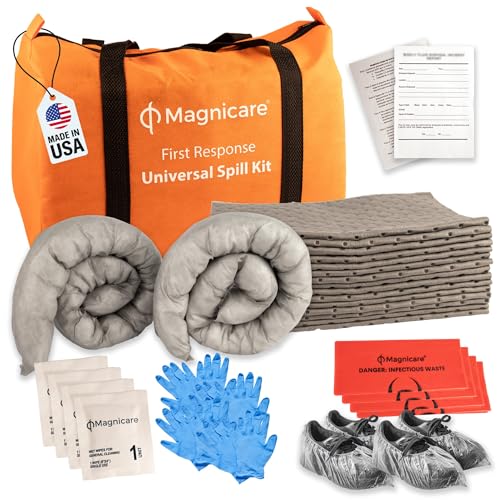
Start with containment to prevent spreading, then blot or soak the oil with absorbent materials. Use a dedicated degreaser for stubborn grime, followed by rinsing and drying. For large spills, employ an oil spill cleanup kit with sorbent pads and oil absorbent socks/pads to quickly contain and absorb liquid before cleaning with a degreaser.
What You’ll Need
- Oil spill cleanup kit with sorbent pads
- Oil absorbent socks pads spill kit
- Kitchen degreaser spray for cooking oil grease
- Auto motor oil drain pan 16 quart with pour spout
- Industrial degreaser brush kit for oil stains


Before You Start
Assess the spill size and surface type. For hard floors, use absorbents to cap the liquid and reduce slickness without spreading the spill. For fabrics or porous surfaces, work from the outside inward to prevent deeper penetration. Always ventilate the area when using chemical degreasers and wear gloves. Allow time for drying after cleaning to ensure surfaces are safe to touch.
Step-By-Step: How To Clean Oil Safely
- Contain the spill using sorbent pads or absorbent socks. Place pads around the edge to prevent spreading and to capture as much liquid as possible.
- Blot the area with additional absorbents, applying firm pressure to lift oil from the surface. Avoid rubbing, which can spread the spill or push it deeper into crevices.
- Apply a kitchen degreaser spray for cooking oil grease to the affected area. Let it sit for a few minutes to break down residues.
- Scrub with an industrial degreaser brush kit for oil stains, focusing on any stubborn patches. Use circular motions to lift grime.
- Wipe away loosened oil with a clean cloth or disposable towels. Rinse the area with water if the surface is suitable for rinsing, or continue absorbing until dry.
- For larger areas or persistent stains, repeat the degreasing and scrubbing cycle. Use the oil absorbent pads again to lift residual moisture.
- Dispose of used absorbents according to local waste guidelines. Keep spill residue contained until disposal to prevent secondary contamination.
- Test the surface after it dries. If any slickness remains, repeat treatment or switch to a stronger degreaser following label directions.
- Clean up tools and store them properly. Rinse brushes and reassemble the kit for future use.
- For automotive areas, consider using an auto motor oil drain pan 16 quart with pour spout to collect spilled oil during maintenance and to keep work areas clean.
- Document any recurring spills and review storage practices to prevent future incidents.
- Dispose of all waste according to local environmental requirements and oil disposal guidelines.
Troubleshooting
| Symptom | Likely Cause | Fix | Prevention |
|---|---|---|---|
| Visible slick after cleaning | Residual oil or insufficient absorption | Add more absorbent pads and reapply degreaser | Contain promptly; keep absorbents ready |
| Stubborn stain on concrete | Deep-set oil | Repeat scrubbing with industrial degreaser brush kit | Seal or treat frequently trafficked areas |
| Strong odor lingers | Incomplete removal or porous surface | Additional degreasing and thorough rinsing | Ventilate area during cleaning |
| Surface discoloration after cleaning | Chemical interaction with surface | Test in an inconspicuous spot and adjust product choice | Use a surface-safe degreaser for delicate materials |
Common Mistakes
- Not containing the spill early, allowing it to spread to new areas
- Rubbing with towels, which spreads oil rather than absorbs it
- Using the wrong degreaser for the surface or type of oil
- Skipping test patches on delicate surfaces
Addressing mistakes quickly can save time and reduce surface damage. Always use products intended for oil and choose tools appropriate for the surface you are cleaning.
Tips For Best Results
- Work from the outside edge toward the center to prevent spreading
- Use a combination approach: absorbents first, then a degreaser for residues
- Keep a dedicated oil cleanup kit accessible in garages or kitchens
- After cleaning, compare the area to a similar clean surface to ensure uniform appearance
- Regularly inspect and replace worn absorbents to maintain effectiveness
Call A Professional
Consult a pro if the spill covers a large area (several square feet), involves critical electrical equipment, or has penetrated porous materials such as carpet or upholstery. Also seek help for repeated spills that resist standard cleaning methods or when the surface is coated with unknown chemical residues.
FAQ
What should I do immediately after a small oil spill?
Contain it with sorbent pads and blot with absorbent towels to minimize spreading.
Can I use kitchen degreaser on concrete floors?
Yes, if labeled for concrete; test first on a small area and follow directions.
Is it safe to mix degreasers with water?
Only as directed by product labels; improper mixing can create hazardous fumes or reduce effectiveness.
How can I prevent future oil spills?
Store oily items properly, use trays under machines, and maintain good housekeeping practices.
Buying Guide
When choosing products for oil cleanup, consider surface type, spill size, and frequency of use. For multiple surfaces, a versatile kit with sorbent pads and oil absorbent socks provides rapid containment and absorption. Look for degreasers labeled safe for the surfaces you frequent—kitchens, garages, or workshops.
Key buying factors include size and packaging (larger quantities for frequent spills), odor control, and ease of use. Noise level is generally not a concern for most cleaning tasks, but consider brush kit ergonomics if repeated scrubbing is required. Energy efficiency applies mainly to devices used in cleaning routines, like powered brushes. For placement, store kits in an accessible location near common spill zones and ensure safe disposal options are clearly explained on product labels.
Comparing options: an oil spill cleanup kit with sorbent pads versus a dedicated oil absorbent socks kit offers rapid containment and flexible absorption. A kitchen degreaser spray provides quick surface cleaning, while an industrial degreaser brush kit handles tougher stains. For automotive maintenance, an auto motor oil drain pan helps collect spills at the source and reduces cleanup complexity.