Yellowing on shoes, especially white sneakers, can be stubborn and frustrating. With the right approach and the right products, owners can restore brightness and extend the life of their footwear. This guide outlines practical steps, common fixes, and safer methods for different material types, so readers can choose a method that fits their shoes and routines.
Quick Answer
There are effective, at-home methods for yellowing on sneakers: start with gentle cleaners and whitening solutions, progress to specialized kits for stubborn stains, and use protective finishes to prevent future discoloration. Always test on a small area first and follow product directions for best results.
What You’ll Need
- sneaker whitening kit hydrogen peroxide included or a whitening solution compatible with sneakers
- canvas shoe cleaner for yellowing with whitening solution for canvas uppers
- white sneaker cleaning brush kit with microfiber towels for scrubbing and drying
- leather shoe yellowing remover cream for leather portions
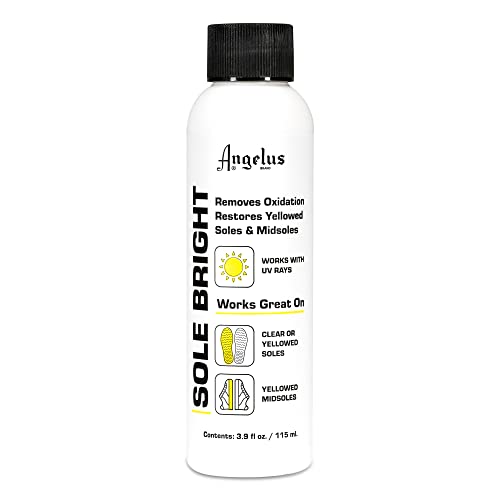
- yellowed sole whitening spray for white sneakers to brighten rubber soles


Before You Start
Before cleaning, remove laces and insoles if possible to reach all areas. Lightly dust or brush loose dirt to reduce abrasion during cleaning. Test any product on a hidden area for colorfastness, especially on leather or dyed materials. Schedule cleaning when you have time for multiple gentle passes, and ensure good drying conditions to prevent moisture damage. Safety note: wear gloves if you’re using chemical cleaners and work in a well-ventilated area.
Step-By-Step: How To Get Rid Of Yellowing On Shoes
- Inspect materials: identify canvas, leather, or rubber parts to choose appropriate products and avoid color transfer.
- Prepare cleaning station: lay out microfiber towels, a soft brush, and a clean work surface. Dampen towels lightly for initial wipe-down.
- Pre-clean canvas areas: use a gentle canvas cleaner to remove surface grime without soaking the fabric. Rinse with a damp cloth and air dry briefly.
- Apply whitening solution selectively: for canvas, apply the canvas shoe cleaner for yellowing with whitening solution to affected areas and allow it to sit briefly per label instructions.
- Scrub with the brush kit: use the white sneaker cleaning brush kit with microfiber towels to scrub in circular motions, focusing on yellowed patches. Rinse with a clean cloth and repeat if necessary.
- Address leather yellowing: apply the leather shoe yellowing remover cream to the discolored areas, following the product’s directions. Buff gently with a microfiber cloth after a short dwell time.
- Brighten the soles: spray or brush on the yellowed sole whitening spray for white sneakers along the midsole and rubber edges. Wipe away excess with a clean towel to prevent streaks.
- Rinse and dry: remove cleaning residues with a damp cloth, then air-dry away from direct heat or sunlight. Stuffing the shoes with paper towels can help maintain shape and speed drying.
- Reassemble and protect: once dry, reinsert laces and consider applying a protective spray suited to the shoe material to deter future staining.
- Evaluate results: if yellowing persists, repeat targeted treatments on the most affected areas, allowing full drying between passes.
- Maintenance routine: perform light spot-cleaning after wear and store shoes in a cool, dry place to reduce future yellowing.
- Optional refresh: for stubborn cases, a second round using both canvas and leather products can improve uniform brightness, but avoid over-wetting sensitive materials.
Troubleshooting
| Symptom | Likely Cause | Fix | Prevention |
|---|---|---|---|
| Streaky whitening on midsole | Uneven application or excess product | Wipe evenly with microfiber cloth and thin coats | Apply in light layers; allow drying between coats |
| Color transfer to white areas | Colored dyes bleed from fabric | Spot-test; avoid aggressive cleaners on dyed parts | Use color-safe products and wash separately |
| Leather cracking after cleaning | Over-aggressive scrubbing or product misuse | Switch to a gentler cleaner and perform patch test | Follow product directions; use minimal moisture |
| Persistent yellowing on soles | Deep-set staining in rubber | Repeat whitening spray after initial dry time | Regular maintenance and prompt cleaning after wear |
Common Mistakes
- Using bleach directly on shoes, which can cause yellowing to worsen or material damage
- Over-wetting canvas or leather, leading to warping or odor buildup
- Skipping a test patch, risking color loss on sensitive areas
- Rubbing harshly with old brushes that degrade fabric fibers
- Relying on a single step for deeply yellowed shoes; most results come from a series of gentle passes
Tips For Best Results
- Test new products on a hidden area before full application
- Work in a well-lit, ventilated area to monitor results
- Apply products in cool, dry conditions to prevent fast evaporation and uneven coverage
- For white soles, consider masking adjacent fabrics to avoid accidental staining
- Dry thoroughly between steps to prevent moisture damage and odor
Call A Professional
Consider professional cleaning if shoes are valuable, have delicate finishes, or show deep staining that does not respond to at-home methods. Stop immediately and consult a professional if: surfaces become sticky, colors fade unevenly, or leather shows excessive cracking. For high-end sneakers or custom leather pieces, professional care can preserve texture and finish.
FAQ
Can I use household bleach to whiten shoes?
Bleach can degrade fabrics and cause yellowing to worsen; use purpose-made whitening products and follow directions closely.
Will whitening products harm leather?
Some cleaners are safe for leather when used as directed; always patch-test and choose leather-safe formulations.
How long should I wait between cleaning steps?
Allow each coat or treatment to dry fully, typically 10–30 minutes, depending on product instructions and environmental conditions.
Are results permanent or do I need ongoing maintenance?
Results can be long-lasting with proper care, but regular spot-cleaning and protective sprays help prevent future yellowing.
Is there a difference between canvas and leather yellowing removal?
Yes. Canvas often responds to whitening solutions and gentle scrubbing, while leather requires milder cleaners and color-safe creams to maintain finish.
What storage tips help prevent yellowing?
Store shoes in a cool, dry place away from sunlight; use silica packs or breathable bags to reduce moisture buildup.
Buying Guide
Choosing the right products to prevent and reverse yellowing depends on material and usage. Key buying factors include size compatibility with your footwear, noise level if products include applicators, energy or chemical intensity, control options, and placement in your cleaning routine. For those tackling mixed-material sneakers, consider a kit that covers canvas, leather, and rubber components. If you wear sneakers outdoors or frequently encounter stains, a multi-step approach with separate cleaners for canvas and leather helps maintain color balance. Think about storage space for brushes and towels, as well as the drying time required between steps. Finally, review user experiences and guidelines to select a safe, effective solution that fits your cleaning cadence and footwear collection. Would you prefer a compact kit for travel or a full-home setup for regular maintenance? The right choice aligns with your shoe materials, typical stains, and how often you clean.