Maintaining a clean range hood fan improves kitchen air quality and keeps the appliance working efficiently. This guide provides a practical, step-by-step approach using common tools and a few specialized items to lift grease and debris from the fan, blades, and surrounding surfaces.
Quick Answer
Remove the hood, dampen a microfiber cloth to wipe the exterior, then use a range hood cleaning brush set and a degreaser spray for range hood to loosen buildup. Finish with microfiber cloths for range hood cleaning and a thorough rinse of all parts before reassembly.
What You’ll Need
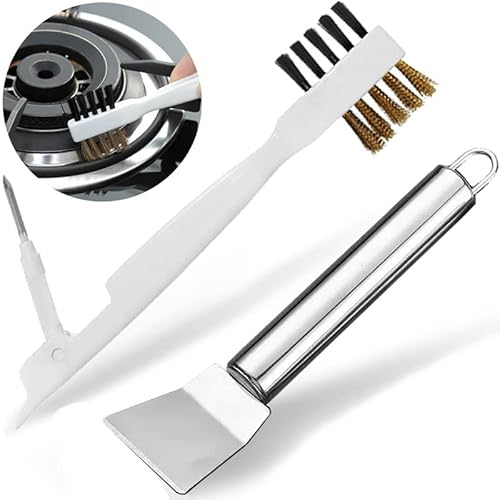
- Range hood cleaning brush set
- Degreaser spray for range hood 24 oz
- Range hood filter cleaning kit
- Range hood vent brush tool
- Microfiber cloths for range hood cleaning


Before You Start
Turn off and unplug the range hood, or switch off the circuit breaker to the hood. Remove the filters and any loose debris from the area. Protect countertops and nearby surfaces with old towels. Wear gloves and eye protection when using chemical cleaners. Allow the hood and components to cool before handling.
Time estimate: 45–90 minutes depending on hood size and filter type. Expect longer for deeply caked grease. Make sure you have good ventilation when using degreasers indoors.
Step-By-Step: How To Clean A Range Hood Fan
- Detach the filters from the hood and set them aside for cleaning in warm, soapy water or a range hood filter cleaning kit.
- Wipe the exterior housing with a damp microfiber cloth to remove loose dust and surface grime.
- Apply the degreaser spray for range hood to all greasy surfaces, focusing on the fan opening and blades if accessible.
- Use the range hood vent brush tool to dislodge buildup inside the vent channel. Gently rotate and reach into corners.
- Carefully remove the fan blades if your model allows it, then scrub with a soft brush and the degreaser. Rinse with a damp cloth.
- Rinse or wipe down the filters according to the kit instructions, ensuring all degreaser residue is removed.
- Dry all components completely before reassembling to prevent moisture damage.
- Reinsert clean filters and reconnect power. Run the vent on a low speed to ensure everything operates smoothly.
- Inspect for any remaining grease spots and repeat targeted cleaning if needed.
- Document the cleaning schedule and consider routine maintenance every 1–3 months depending on cooking frequency.
- Store supplies after use and clean the brush tools to prevent grease buildup for next time.
- Run the hood at high speed briefly to purge any lingering cleaner before regular cooking use.
Troubleshooting
| Symptom | Likely Cause | Fix | Prevention |
|---|---|---|---|
| Excessive noise after cleaning | Loose fan blades or mounting | reseat blades securely and tighten screws | Handle parts carefully during disassembly |
| Grease still visible on surfaces | Residue left from degreaser or filters not fully cleaned | Reapply degreaser and scrub with the vent brush and microfiber cloths | Rinse filters thoroughly and wipe surfaces completely |
| Fan won’t start after reassembly | Electrical connection or switch issue | Check wiring and safety switch, consult manual | Avoid forcing components; consult a pro if unsure |
| Filtered air smells strongly | Dirty filters or vent obstruction | Clean or replace filters; inspect vent pathway | Establish a cleaning schedule and prevent blocking by cooking fumes |
Common Mistakes
- Using abrasive tools that scratch the fan or housing
- Applying degreasers directly on electronic components
- Skipping filter cleaning, which accelerates buildup
- Rushing the drying process, leaving moisture behind
Prevent mistakes by following manufacturer guidelines for disassembly and using the recommended cleaning products. Always prioritize safety and avoid contact with hot surfaces.
Tips For Best Results
- Establish a routine: light cleaning monthly and deep cleaning quarterly or as cooking volume dictates.
- Use warm water with the degreaser for best grease lifting and less residue.
- Keep microfiber cloths dedicated to kitchen exhaust cleaning for faster, streak-free results.
- Label and store small parts during disassembly to simplify reassembly.
Call A Professional
Consider professional service if the fan motor sounds unusual, there are electrical concerns, or you notice persistent grease behind inaccessible areas. Stop immediately if you detect exposed wiring, smoke, or burning smells. In these cases, contact a licensed technician to avoid risks.
FAQ
How often should I clean a range hood fan?
Clean the exterior monthly and perform a thorough deep clean every 3–6 months, or more often if cooking grease is heavy.
Can I wash the fan blades in water?
Only if the manufacturer allows blade removal and water immersion. Otherwise, wipe with a damp cloth and degreaser as directed.
Is a degreaser spray essential?
Not always, but a dedicated degreaser makes grease easier to lift and reduces scrubbing time.
What should I do with the filters after cleaning?
Rinse or soak in warm soapy water, then air dry completely before reinstalling.
Are vent brushes necessary?
Vent brushes help reach narrow channels and should be used as part of a thorough cleaning routine.
What if the hood uses a charcoal filter?
Charcoal filters generally cannot be washed; replace them per manufacturer guidelines.
Buying Guide
When selecting products to maintain a range hood, consider several factors that affect cleaning ease and long-term performance.
- Size and compatibility: Choose a cleaning brush set and filters sized to your hood model and filter type. Confirm the kit works with your hood’s dimensions and mounting method.
- Noise level: If noise is a concern, look for low-noise fan operations and compatible maintenance tools that won’t introduce vibrations.
- Energy efficiency: Regular cleaning maintains airflow efficiency; a clean system uses less energy and preserves motor life.
- Controls and accessibility: Easy access to the fan housing and filters simplifies maintenance tasks.
- Placement considerations: Ensure cleaning tools reach inside the vent path without disassembling unsupported parts.
Choosing a range hood cleaning brush set, degreaser spray for range hood 24 oz, range hood filter cleaning kit, range hood vent brush tool, and microfiber cloths for range hood cleaning ensures a cohesive, effective cleaning process. Compare kit contents, replacement parts, and warranty coverage to maximize value and reliability.