Keeping eyeglasses clean is essential for clear vision and comfort. When a dedicated cleaner isn’t on hand, a few household items can safely restore sparkle and remove smudges. This guide explains a practical, lens-safe routine that works with common supplies and avoids damage to coatings.
The following steps emphasize a gentle approach that protects lenses, frames, and coatings while delivering crisp results. By following the outlined methods, wearers can maintain visibility and reduce eye strain throughout the day.
Quick Answer
Best quick method: Use a gentle rinse with warm water and a drop of dish soap, then dry with a soft microfiber cloth. For stubborn smudges, a dedicated water-based eyeglasses cleaning kit can help, followed by polishing with a microfiber cloth.
A Quick Look at What You’ll Need
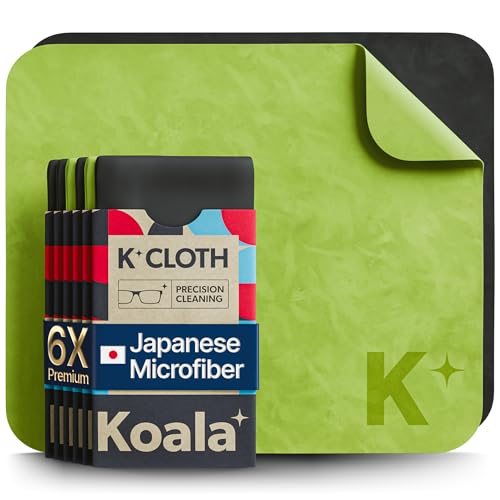


What You’ll Need
- microfiber cloth for eyeglasses cleaning – soft, lint-free cloth for drying and polishing
- dish soap and warm water for eyeglasses cleaning – mild soap and warm water for gentle cleansing
- isopropyl alcohol-free lens cleaning cloth – safe for lens coatings when paired with water
- soft microfiber glasses cleaning cloth set – extra cloths for travel and on-the-go use
- water-based eyeglasses cleaning kit – convenient, coating-safe cleaning option
Before You Start
Before cleaning, remove glasses from the face and handle by the frame ends. Always rinse lenses with lukewarm water to remove dust that could scratch coatings. Avoid hot water and abrasive materials. Use gentle motions and avoid rubbing hard the lens surface. Keep cleaning areas free of sharp objects that could damage frames.
Time estimate: 5–10 minutes per cleaning. If lenses are heavily smudged or have oily residues, allow a brief soak with a drop of dish soap, then rinse thoroughly.
Step-By-Step: How To Clean Glasses Without Glasses Cleaner
- Rinse both sides of the lenses under lukewarm running water to remove loose dust and debris.
- Add a small drop of dish soap to fingertip and gently rub the lenses in a circular motion for 5–10 seconds.
- Rinse thoroughly with warm water to remove all soap residue.
- Pat dry the glasses with a soft microfiber glasses cleaning cloth until no moisture remains.
- Inspect for streaks. If needed, buff with a clean microfiber cloth using light, circular motions.
- For persistent smudges, use a water-based eyeglasses cleaning kit following the product’s directions, then wipe again with microfiber.
- Store in a protective case when not wearing to minimize future buildup.
- Repeat as needed, ideally once daily or after extended wear outdoors.
- Avoid touching the lenses with fingers and prevent contact with harsh cleaners or solvents.
- If coating wear or discolouration appears, consult the manufacturer’s guidelines for care.
- Consider adding a spare microfiber cloth for travel to maintain cleanliness away from home.
- Regular cleaning with the above methods helps maintain clear vision and prolongs coating life.
Troubleshooting
| Symptom | Likely Cause | Fix | Prevention |
|---|---|---|---|
| Streaky lenses after wiping | Residual soap or film | Rinse thoroughly and dry with a fresh microfiber cloth | Rinse, then dry immediately |
| Smudges reappear quickly | Oily residues on skin or hair transfer | Use soap-free wipe with water-based kit | Wash hands before handling glasses |
| Coating discoloration or damage | Harsh cleaners or solvent exposure | Switch to alcohol-free cloth or water-based kit | Avoid household solvents |
| Cloth leaves lint | Low-quality cloth | Switch to high-quality microfiber | Wash cloths separately, air dry |
Common Mistakes To Avoid
- Using hot water or household cleaners with fragrances
- Rubbing aggressively across the lens surface
- Wiping while lenses are wet, causing streaks
- Using paper towels or tissues that can scratch coatings
- Ignoring coating care recommendations from the manufacturer
Staying mindful of these pitfalls helps protect lenses and coatings for longer life.
Tips For Best Results
- Keep a dedicated soft microfiber glasses cleaning cloth set in the case for travel and work.
- Pair a gentle rinse with dish soap and warm water for routine cleaning, especially after outdoor activities.
- Use a isopropyl alcohol-free lens cleaning cloth for quick touch-ups without risking coatings.
- Schedule regular cleanings to prevent buildup that can obscure vision.
- Store glasses in a protective case to minimize smudges and scratches.
Call A Professional When Needed
Seek professional help if lenses become scratched, coatings show significant wear, or vision remains distorted after cleaning. If frames are bent or damaged, a professional repair may be required to restore fit and alignment.
FAQ
Can I use dish soap on coated lenses?
Yes, in very small amounts and followed by thorough rinsing, but prefer gentle, alcohol-free options to protect coatings.
Is it safe to use water on all lenses?
Water is generally safe, especially with mild soap, but always check the manufacturer’s care instructions for specific materials.
How often should I clean my glasses?
Daily cleaning is ideal, with more frequent cleaning after activities that deposit oils, dust, or sweat.
What should I do if lenses fog up frequently?
Wipe with a clean microfiber cloth and consider cleaning with a water-based kit to remove film that causes fogging.
Are there any cleaners to avoid?
Avoid household cleaners with ammonia, vinegar, or solvents that can damage coatings.
Can I wash my frames as well?
Yes, rinse and wipe frames with a mild soap solution, then dry to prevent water spots.
Buying Guide
When choosing cleaning supplies for eyeglasses, consider several factors to ensure compatibility with lenses and coatings:
- Size and compatibility: Ensure cloths and cleaning kits fit typical lens sizes and frame types.
- Noise level: Cleaning kits are quiet; cloths produce no noise, ideal for discreet use.
- Energy efficiency: Not applicable; cleaning products use no energy, but choose reusable cloths to reduce waste.
- Controls and ease of use: Simple kits with minimal steps reduce risk of improper cleaning.
- Placement and storage: Include a protective case and carry pouch for on-the-go protection.
- Coating safety: Look for alcohol-free options to preserve anti-reflective and other coatings.
- Maintenance and longevity: High-quality microfiber cloths last longer and resist shedding.
- Cost and value: A small set of cloths plus a gentle cleaning kit often yields the best long-term value.
Considering these factors helps users select a practical, coating-safe cleaning setup that suits daily wear, travel, and home use.