Soft leather shoes require careful care to maintain their appearance and extend their life. This guide provides practical steps, safe products, and tidy routines to refresh shoes without professional help. It covers everyday cleaning, conditioning, and protection so the leather stays supple and stylish under normal wear.
Quick Answer
Gently remove surface dirt with a damp cloth, clean with a leather shoe cleaning kit brush, apply a leather conditioner for shoes, and finish with a suede and leather protector spray for ongoing protection. For stubborn stains, use a suede-safe method only on the appropriate areas.
What You’ll Need
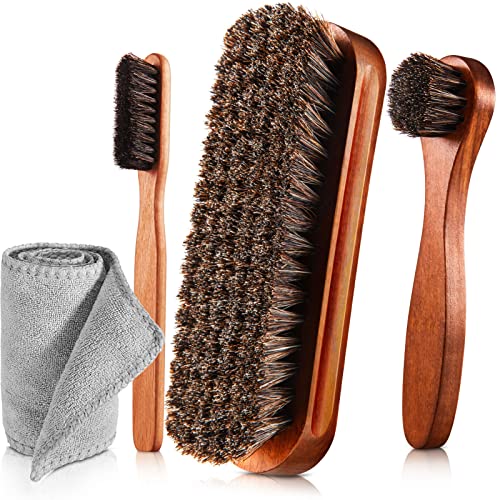
- Leather shoe cleaning kit brush
- conditioner
- microfiber cloth for leather shoe cleaning
- horsehair shoe brush leather care
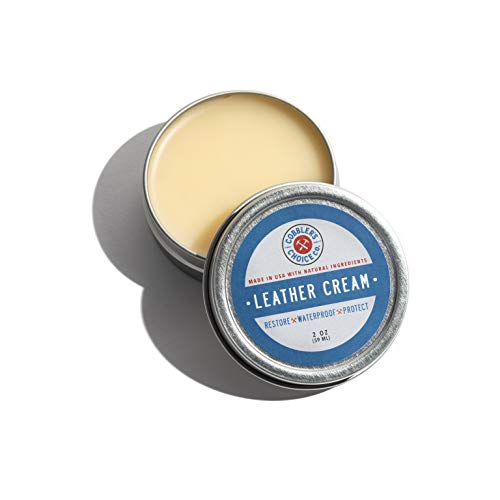
- leather conditioner for shoes cream balm
- suede and leather protector spray

Before You Start
Test any product on a small inconspicuous area to ensure colorfastness. Work in a well-ventilated area and avoid direct heat sources. Remove laces to access all surface areas. Time estimate: 20–40 minutes for a cleaning session, plus drying time. Important: do not use harsh detergents or household cleaners on leather, as they can dry and crack the material.
Step-By-Step: How To Clean Soft Leather Shoes At Home
- Remove dirt and dust with a leather shoe cleaning kit brush or a soft horsehair brush to avoid scratching the leather.
- Wipe the surface with a slightly damp microfiber cloth designed for leather shoe cleaning to lift remaining grime without saturating the leather.
- Apply a small amount of leather conditioner for shoes cream balm to a clean cloth and rub in circular motions, focusing on scuff marks and worn areas.
- Allow the conditioner to absorb for 5–10 minutes, then buff with a dry microfiber cloth to restore natural luster.
- For scuffs on smooth leather, apply a touch more conditioner and gently buff; avoid applying excess product that can lead to a sticky finish.
- If the shoes are also made of suede or have suede accents, use a dedicated suede cleaner or protector spray according to the product instructions, keeping sprays away from finished leather areas.
- Re-lace shoes and check the sole edges for dirt; wipe with a damp cloth and dry thoroughly before wearing.
- Optionally, apply a thin layer of leather conditioner for shoes cream balm again after 24 hours for ongoing conditioning.
- Apply a suede and leather protector spray to protect against water and stains, following the product’s drying time.
- Store shoes in a cool, dry place and consider using shoe trees to help maintain shape and prevent creasing.
- Repeat maintenance every 1–2 weeks during regular wear, or after exposure to rain or mud.
Troubleshooting
| Symptom | Likely Cause | Fix | Prevention |
|---|---|---|---|
| Sticky residue after conditioning | Too much conditioner | Buff with a dry cloth until it dissipates | Use sparing amounts and work in small areas |
| Water rings on leather | Insufficient drying or lack of protector | Let dry completely, reapply protector spray | Condition and protect regularly |
| Scratches not fading | Deep scuffs | Gently rub with conditioner; seek professional polish if needed | Maintain conditioning schedule |
| Color transfer to cloth | Overly damp cloth | Use a drier cloth and minimal moisture | Avoid soaking leather |
Common Mistakes
- Over-wetting leather during cleaning, which can warp or damage it.
- Using household cleaners that can strip natural oils from leather.
- Skipping conditioning after cleaning, leading to stiffness and cracks.
- Applying conditioner unevenly, leaving blotchy patches.
- Ignoring protective steps on suede or mixed materials, causing uneven wear.
Properly balancing cleaning, conditioning, and protection is essential. Neglecting any step can shorten the life of soft leather shoes.
Tips For Best Results
- Apply conditioner in a clean, shaded area to avoid direct sun that can dry leather quickly.
- Use a microfiber cloth for gentle polishing to minimize micro-scratches.
- Store with cedar shoetrees to maintain shape and reduce moisture buildup.
- Test any new product on a hidden area first to avoid unexpected color changes.
- Rotate between pairs to allow each pair to air out between wears and cleanings.
Call A Professional
Seek a professional cobbler or leather care specialist if: the leather shows deep cuts or fading beyond home repair, you notice persistent odor, cracking that worsens after conditioning, or you need color restoration on heavily worn areas.
FAQ
Is a leather shoe cleaning kit brush better than a regular brush?
A dedicated leather brush is designed to lift dirt without scratching the surface, making it preferable for soft leather shoes.
How often should I condition soft leather shoes?
Condition every 1–3 months with normal wear, or more frequently in dry climates or after cleaning.
Can I use water to clean suede parts?
Use water cautiously and only with products specified for suede; excess moisture can ruin suede texture.
What if my shoes get soaked in rain?
Blot excess moisture with a microfiber cloth, air dry away from heat, then condition and protect once dry.
Buying Guide
When choosing products for cleaning soft leather shoes, consider sizes, materials, and compatibility. Look for a kit that includes a horsehair shoe brush leather care and a microfiber cloth for leather shoe cleaning for safe, effective use. A quality leather conditioner for shoes cream balm should be pH-balanced to preserve natural oils. If you wear suede accents, pick a suede and leather protector spray that works on both leather and suede without leaving residues. Ensure that products are labeled safe for soft or full-grain leather and include clear drying times. For routine care, a compact kit with travel-friendly sizes can be convenient, while a larger set may offer more durable brushes and multiple cloths for ongoing cleaning cycles.
Questions to consider: Do you need separate products for suede and leather, or a combined option? How much conditioning do your shoes require given climate and use? Is there a brush that balances stiffness with gentleness? Matching the right tools to the shoes ensures effective cleaning without damage.