Basements often battle damp odors caused by moisture buildup, mold, and poor air circulation. A practical approach combines moisture measurement, targeted ventilation, and selective products designed for basement environments. The goal is to reduce humidity, improve air quality, and prevent mold from returning.
The following guide provides actionable steps for homeowners dealing with a persistent damp smell, with product suggestions to support each stage of treatment and prevention.
Quick Answer
Eliminate damp odors by lowering humidity, boosting ventilation, and treating mold. Use a basement dehumidifier with automatic drainage, monitor humidity with a moisture meter, and address odor sources with a mold remediation spray kit. If odors persist after treatment, inspect for hidden leaks and improve airflow with an exhaust fan equipped with a humidity sensor.
What You’ll Need
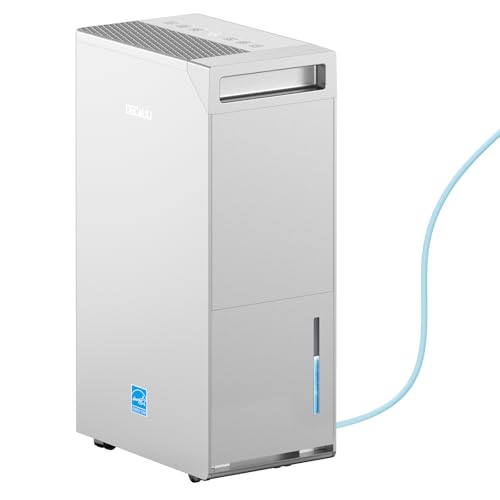
- Basement dehumidifier with automatic drainage pump
- Basement moisture meter with humidity sensor
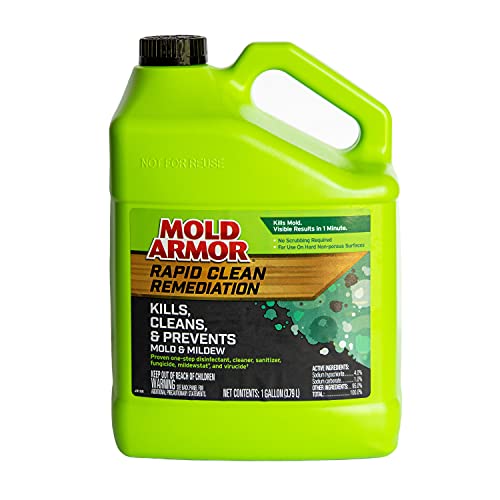
- Mold remediation spray kit for basement
- Basement exhaust fan with humidity sensor
- Silica gel desiccant for basement moisture control

Before You Start
Assess the space for standing water, visible mold, and any signs of leaks. Clear the area of fabrics or papers that can absorb moisture. Ensure electrical outlets and wiring are dry before running dehumidifiers or fans. Time estimates will vary by room size and season, but plan for at least a few hours of setup and several days of monitoring to see meaningful changes. Safety cautions: never mix cleaning agents, avoid running electrical devices in wet areas, and wear protective gloves and a mask when dealing with mold.
Step-By-Step: How To Get Rid Of Damp Smell In A Basement
- Measure current humidity levels with the basement moisture meter to establish a baseline. Aim for a target relative humidity around 40–50% depending on the climate.
- Place the basement dehumidifier with automatic drainage pump in the most humid area, ensuring proper clearance for airflow and a clear path to drainage.
- Set the dehumidifier to an appropriate humidity target and run continuously until readings stabilize at or below the target range.
- Run a basement exhaust fan with humidity sensor to improve air exchange, especially in rooms with poor natural ventilation or high moisture generation.
- Treat visible mold or musty spots with the mold remediation spray kit for basement, following product directions for application and ventilation.
- Use silica gel desiccant for basement moisture control in small, enclosed spaces or closets to help absorb residual moisture and odors between larger dehumidifier cycles.
- Reassess humidity and odor after 24–48 hours. If damp smell persists, inspect for hidden leaks behind walls or under flooring and consider sealing affected areas.
- Improve general air quality by opening vents when possible and running fans during drier parts of the day to prevent reaccumulation of moisture.
- Declutter stored items and use sealed polypropylene containers to limit moisture exposure on stored materials that can harbor musty odors.
- Consider a routine maintenance routine: clean dehumidifier filters monthly, replace or refresh silica desiccants as needed, and monitor humidity seasonally to prevent odor recurrence.
- If odors persist after the initial steps, reassess for hidden structural moisture and consult a professional for a comprehensive assessment and remediation plan.
Troubleshooting
| Symptom | Likely Cause | Fix | Prevention |
|---|---|---|---|
| Persistent musty odor after treatment | Hidden moisture or mold behind walls | Inspect with a moisture reader, remove mold, and seal affected areas | Maintain humidity around 40–50% |
| Humidity readings exceed target | Insufficient dehumidification capacity | Increase dehumidifier run time or add a second unit | Improve air circulation and keep doors open when feasible |
| Water stains reappear | Active leaks or plumbing issues | Repair leaks and dry the area thoroughly | Regularly inspect plumbing and gutters |
| Electrical smells or buzzing | Moisture affecting electrical components | Power off and have an electrician assess | Dry and seal areas before powering devices |
| Desiccant saturation | Overly damp environment | Replace or recharge silica gel and increase ventilation | Keep humidity steady to prevent rapid saturation |
Common Mistakes
- Relying on a single product instead of combining moisture control and ventilation
- Ignoring hidden moisture sources behind walls or under floors
- Running dehumidifiers without proper drainage or in areas with poor air circulation
- Overlooking regular maintenance of filters and desiccants
Addressing damp odors requires a balanced approach that incorporates measurement, airflow, and targeted treatment rather than relying on one solution alone.
Tips For Best Results
- Schedule humidity checks at the same time of day to track trends accurately.
- Keep doors and windows open during dry, mild days to maximize natural ventilation.
- Use silicone-based sealants on basement walls if you identify minor moisture intrusion from outside.
- Label storage bins to avoid moisture exposure in organized spaces.
- Combine a dehumidifier with an exhaust fan for superior air exchange in damp basements.
Call A Professional
Contact a professional if there is visible mold growth over a large area (greater than 10 square feet), persistent dampness despite remediation, or signs of structural damage. Stop-and-go moisture issues or electrical hazards require expert assessment to prevent health risks and structural deterioration.
FAQ
How do I know the humidity target for a basement?
Aim for 40–50% relative humidity as a general guideline, adjusting for climate and odor sensitivity.
Will a dehumidifier alone remove a strong odor?
Usually not; odor removal often requires mold remediation, improved ventilation, and moisture control.
Can silica gel really help in a basement?
Yes, in small, enclosed spaces it can help absorb residual moisture and reduce odors when used with other methods.
How often should I inspect for mold?
Inspect quarterly during changing seasons, and escalate if you notice recurring musty smells or health symptoms.
Buying Guide
When choosing equipment and products to combat basement damp smells, consider several factors to ensure effective results and long-term performance.
Size and Capacity
Choose a basement dehumidifier based on room size and moisture load. For larger areas, consider multiple units or a high-capacity model with automatic drainage to maintain consistent humidity levels.
Noise Level
Look for units with low decibel ratings, especially in living or storage areas near living spaces. Consider placement to minimize disturbance while maximizing air exchange.
Energy Efficiency
Energy-efficient models reduce running costs and environmental impact. Check Energy Star ratings and installation practicality for continuous operation.
Controls and Sensors
Basement exhaust fans with humidity sensors simplify maintenance by adjusting operation based on real-time conditions. A moisture meter with a clear display helps track improvements.
Placement and Ventilation
Position dehumidifiers away from walls to ensure air intake and drainage lines work properly. Use exhaust fans in high-moisture zones like laundry areas or bathrooms.
Maintenance and Consumables
Factor in filter replacement, desiccant refresh, and routine cleaning. Easy access to components reduces downtime and extends equipment life.
Cost of Ownership
Consider upfront cost, running costs, and replacement parts. A small, well-maintained system might outperform a larger but poorly maintained setup over time.
Brand Ecosystem and Compatibility
Some products (like a moisture meter, a dehumidifier, and an exhaust fan with humidity sensor) work best when from compatible lines, ensuring smoother integration and data sharing for maintenance schedules.