Tile backsplashes behind the stove endure splatters, grease, and steam. A regular cleaning routine keeps them looking fresh and helps prevent staining. This guide outlines practical methods and tools to safely clean ceramic tile backsplashes without damaging grout or finishes.
Quick Answer
For fast results, spray a mild cleaner, scrub with a brush or scrubber, wipe with a microfiber cloth, and finish with a dry buff. For stubborn grime, use a steam cleaner or electric scrubber with gentle settings, then reseal grout if needed.
What You’ll Need
- Angled grout brush nylon bristles for tile backsplash
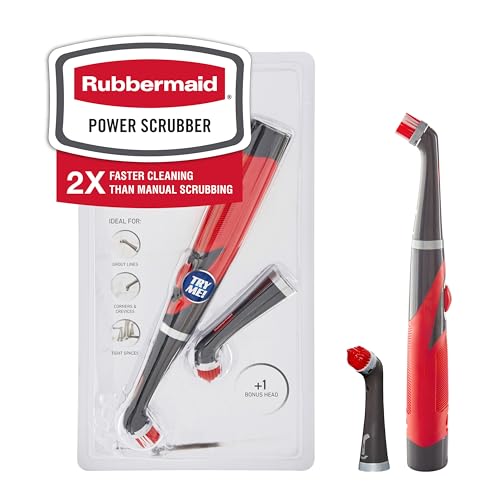
- Electric scrubber brush for kitchen backsplash tiles
- Scrubbing pad set for ceramic tile backsplashes
- Microfiber cleaning cloths for backsplash tiles
- Kitchen steam cleaner tile grout


Before You Start
Clear the counter and hood area to prevent accidental contact with cleaning solutions. Ventilate the area and wear gloves to protect skin. Test any cleaner on a small, inconspicuous area of the tile to ensure no discoloration. Time estimate: 15–30 minutes for routine cleaning; 30–60 minutes for heavy buildup. Avoid harsh abrasives on glazed tiles to prevent scratching.
Step-By-Step: Cleaning A Tile Backsplash Behind The Stove
- Remove loose debris with a dry microfiber cloth to prevent scratching.
- Spray a mild, non-abrasive cleaner onto the backsplash and grout lines.
- Use the angled grout brush nylon bristles to scrub grout lines in a circular motion.
- For general tile surfaces, switch to an electric scrubber brush for efficient cleaning around burners and vents.
- Rinse with a clean cloth dampened with water to remove soap residue.
- Wipe dry with a fresh microfiber cloth to prevent water spots.
- Apply a steam cleaner tile grout to tackle embedded grease on grout, following the device instructions.
- Focus steam on grout lines and let it cool before wiping away loosened grime.
- Inspect for remaining stains; repeat steps on persistent areas only.
- Finish with a dry buff to restore shine and keep grout looking fresh.
- Store tools and keep the area dry to deter mildew in grout joints.
- Periodically reseal grout if recommended by grout manufacturer.
Troubleshooting
| Symptom | Likely Cause | Fix | Prevention |
|---|---|---|---|
| Grease remains in grout | Oil buildup | Use a stronger grout cleaner and scrub with angled bristle brush | Wipe after cooking and seal grout regularly |
| Streaks on tile | Soap residue | Rinse thoroughly and dry with microfiber cloth | Use minimal cleaner and rinse well |
| Discoloration after cleaning | Harsh cleaner | Test gentler cleaner on a hidden area and switch products | Avoid high-acid or abrasive cleaners |
| Grout crumbles | Old or damaged grout | Repair grout with fresh mix and reseal | Inspect grout during cleaning cycles |
| Streaks after steam | Too close or too long | Move device away and hover briefly, then wipe | Follow steam cleaner guidelines |
Common Mistakes
- Using abrasive pads on glazed ceramic tiles
- Over-wetting grout, causing seepage behind backsplash
- Neglecting to rinse after cleaners pile up
- Skipping a test patch on delicate finishes
- Cleaning while the stove is hot or still connected to power
Avoid these missteps to maintain tile beauty and grout integrity over time.
Tips For Best Results
- Use an angled grout brush for tight lines and corners around burners.
- Pair microfiber cloths with minimal moisture for a lint-free finish.
- Alternate between gentle scrubbing and steam for stubborn grime without harsh chemicals.
- Schedule periodic grout sealing to extend cleanliness between deep cleans.
- Keep a dedicated cleaning kit for the kitchen backsplash to streamline maintenance.
Call A Professional
Consider professional help if grout is extensively damaged, mold or mildew appears behind the backsplash, or stains persist after multiple cleanings. If you notice cracks around tiles or caulking deterioration, contact a pro to assess structural concerns and perform grout restoration or tile replacement as needed.
FAQ
Can I use vinegar to clean tile backsplash behind the stove?
Vinegar can be effective in some situations but may dull certain finishes or grout seals. Test first on a small area and dilute appropriately.
How often should I clean a tiled backsplash behind the stove?
Wipe down weekly or after heavy cooking to prevent grease buildup; deep clean monthly or as needed.
Is steam cleaning safe for grout?
Yes, when used according to manufacturer instructions and at appropriate temperatures to avoid grout damage.
What if grout is discolored but not damaged?
Use a grout cleaner and light scrubbing; reseal after cleaning to restore uniform color and protection.
Buying Guide
When selecting tools for cleaning a tile backsplash behind a stove, consider size, compatibility with grout, and ease of use. The right combination reduces time and protects surfaces. Look for:
- Size and reach of brushes and scrubbers to fit tight gaps and high behind-stove areas
- Non-abrasive materials to preserve glaze and grout integrity
- Heat and steam tolerance for steam cleaners and electric scrubbers
- Microfiber cloth quality for lint-free drying
- Versatility of tools that work on both tile and grout, reducing set-up
For kitchens with heavy cooking grease, a steam cleaner tile grout model paired with a nylon-bristle angled brush often delivers the best balance of cleaning power and grout care. If you frequently clean large backsplash areas, an electric scrubber can save time, provided settings are gentle on finishes. Consider a kit that includes multiple brush heads and a soft microfiber cloth set for comprehensive results.