Glass top ovens offer a sleek look and smooth cooking surface, but keeping them spotless requires care to avoid scratches and residue buildup. This guide walks American homeowners through safe, effective cleaning routines using common tools and products designed for glass and ceramic surfaces.
Following these steps helps maintain the surface’s clarity, prevents streaks, and extends the life of the cooktop. Readers will find a practical, step-by-step approach that minimizes effort while maximizing results, with clear safety notes and when to seek professional help if needed.
Quick Answer
For a fast clean: remove loose debris, apply a dedicated glass cooktop cleaner, gently scrub with a non-scratch nylon scrub sponge, wipe with a microfiber cloth, and buff with a microfiber polishing cloth until it shines. Avoid abrasive powders and metal tools.
What You’ll Need
The following tools and materials are recommended for most homes. Use each item as intended to protect the glass surface and achieve a streak-free finish.
- Glass cooktop cleaner kit non-abrasive microfiber pads
- Ceramic glass stove top scraper with safe blade guard
- Cooktop cleaning cream for glass stove top 500ml
- Microfiber polishing cloth for glass stove top
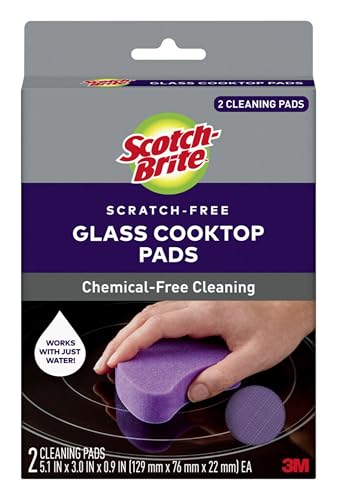
- Non-scratch nylon scrub sponge for ceramic cooktop


Before You Start
Prepare the kitchen area by ensuring the stove is completely cool before cleaning. Remove all loose crumbs with a dry cloth. Work on a clean, non-scratch surface to prevent transfer of grit. Do not use abrasive cleansers, scouring pads, or steel wool as they can scratch the glass. If the cooktop is heavily stained, plan for a multi-step approach rather than forcing a quick fix.
Step-By-Step: How To Clean A Glass Top Oven
- Lock in safety: turn off the stove, unplug if possible, and allow the surface to cool fully.
- Wipe away loose debris with a dry microfiber cloth to prevent grinding during scrubbing.
- Apply a small amount of cooktop cleaning cream for glass stove top to the affected areas. Use a circular motion to loosen baked-on residue.
- Use the glass cooktop scraper with safe blade guard at a shallow angle to lift hardened spots. Do not force the blade; if it resists, reapply cleaner and soften with heat-safe steam from a warm cloth.
- Gently scrub with a non-scratch nylon scrub sponge, working in small sections. Avoid pressing hard to minimize the risk of scratches.
- Rinse or wipe away the cleaner with a damp microfiber pad, ensuring all residue is removed from the surface and surrounding edges.
- Buff the entire surface with a microfiber polishing cloth to remove streaks and restore shine. Use back-and-forth strokes for an even finish.
- Inspect for missed spots. If needed, repeat steps on stubborn deposits and finish again with the microfiber cloth.
- Return any pots and pans to the surface and wipe the edges to catch remaining moisture or cleaner.
- For a final touch, lightly spritz a small amount of cleaner on a fresh microfiber pad and perform a quick pass to ensure a uniform, glossy look.
- Store cleaning tools in a dedicated area, away from heat and moisture, to keep them ready for the next maintenance cycle.
- Document the routine frequency in a household checklist to maintain consistency over time.
Troubleshooting
| Symptom | Likely Cause | Fix | Prevention |
|---|---|---|---|
| Cloudy or streaky surface | Residual cleaner or water spots | Re-wipe with damp microfiber pad and buff | Rinse thoroughly; use distilled water for final wipe |
| Scratches or dull patches | Aggressive scrubbing or abrasive products | Cease using abrasive tools; switch to non-scratch pads | Follow manufacturer recommendations; always test on a small area |
| Stubborn burnt-on deposits | Overlooked residue | Reapply cleaner and let sit before scrubbing | Clean promptly after cooking to prevent buildup |
| Streaks after polishing | Residual cleaner or moisture | Finish with a dry microfiber cloth | Use a humidity-free environment while cleaning |
Common Mistakes
- Using abrasive pads or steel wool that scratch the surface.
- Using harsh household cleaners that contain ammonia or bleach on glass.
- Cleaning a hot surface, which can warp coatings or cause streaks as it cools.
- Neglecting to remove all residues, leading to rapid re-soiling.
Tips For Best Results
For consistently clean glass, establish a routine that targets both daily maintenance and periodic deep cleaning. Always work in small sections to avoid spreading residue. Use a dedicated microfibre cloth for polishing and another for scrubbing to prevent cross-contamination. If a stain refuses to budge after several attempts, consider repeating the gentle cleaning cycle rather than applying extra pressure.
Call A Professional
Seek professional help if the glass top shows visible cracking, loss of transparency that cannot be restored with standard cleaners, or if the appliance shows signs of internal damage. Do not attempt repairs beyond surface cleaning, as improper handling can void warranties or create safety hazards.
FAQ
Can I use regular kitchen cleaners on a glass top stove?
Regular cleaners may leave residues or cause streaks; use products specifically designed for glass or ceramic cooktops for best results.
Is a scraper safe for glass cooktops?
Yes, with a safe blade guard and at a shallow angle; avoid forcing the blade and use only on hardened deposits.
Should I use a towel or cloth to dry the surface?
Dry with a clean microfiber cloth to prevent lint and streaks.
How often should I deep clean a glass top?
Deep clean every few weeks depending on usage; light daily wipe-downs can reduce heavy buildup.
Are there eco-friendly options for glass stove tops?
Look for non-abrasive, eco-friendly cleaners and reusable microfiber cloths to minimize waste.
Buying Guide
When choosing cleaning tools and products for a glass top oven, buyers should consider several factors to match their kitchen routine and stove model.
- Size and surface compatibility: Ensure cleaners and pads are suitable for standard glass-ceramic surfaces and fit the dimensions of the cooktop.
- Noise and ease of use: Look for gentler scrubbing tools and soft microfiber pads that minimize friction and noise during use.
- Energy efficiency and placement: Not directly related to cleaning, but choose compact storage solutions and tools that are easy to reach without stretching over the stove, reducing energy waste in cleaning time.
- Controls and product chemistry: Prefer non-abrasive formulas with clear instructions and no harsh chemicals.
- Durability of accessories: Reusable microfiber cloths and nylon scrub sponges should maintain effectiveness after multiple washes.
- Brand consistency: If possible, use a glass cooktop cleaner kit and compatible accessories from the same line to ensure formula compatibility and best results.
- Maintenance frequency: Consider how often you cook and whether you need a quick daily wipe or a more thorough weekly clean.
- Placement and storage: Keep cleaners away from heat sources and out of reach of children, storing in a dry cabinet near the stove for quick access.
With the right tools and routine, keeping a glass top oven pristine becomes a straightforward task. Do you prefer a quick daily wipe-down or a deeper weekly cleaning session? Either approach can yield a sparkling surface with the right products and technique.