Keeping a teddy bear clean extends its life and preserves its cuddly appeal. This guide provides practical, step-by-step methods suitable for most stuffed toys, with care instructions that suit common materials and plush fabrics found in many teddy bears. Readers will learn gentle cleaning techniques, from surface refreshes to deeper cleansing, while avoiding damage.
Quick Answer
For quick refresh, use a lint roller to remove surface dust, a soft brush to lift fibers, and a damp microfiber cloth for light spots. For deeper cleaning, opt for a mesh laundry bag with a gentle cycle, then finish with a handheld fabric steamer to remove wrinkles and odors. Always test a small area first.
What You’ll Need
- Mesh laundry bag for stuffed animals plush toys
- Handheld fabric steamer for plush toys
- Soft bristle garment brush for teddy bears
- Lint roller for plush toys 2-inch width
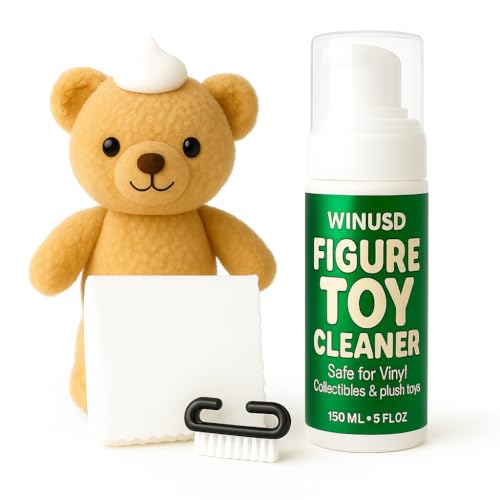
- Plush toy cleaning kit microfiber cloths and brush


Before You Start
Assess the teddy bear’s materials before cleaning. Synthetic fibers tolerate water better than delicate mohair, so adjust techniques accordingly. Always test a hidden seam with a small amount of cleaning product or water to ensure no color bleeding or fabric damage. Work in a well-ventilated area and protect delicate eyes, noses, or accessories. Time estimate: 20–60 minutes for most surface cleanings; up to a few hours for full wash and dry depending on size.
Cautions: Avoid soaking large bears, especially those with glued-on eyes or delicate trims. Never apply high heat directly to plastic components or facial features. If the bear is a cherished heirloom or shows signs of wear, consider professional cleaning.
Step-By-Step: How To Clean A Teddy Bear
- Initial surface cleaning: Use a lint roller to remove loose dust and hair from the entire surface. Follow with a soft bristle garment brush to lift fibers and reduce matting in the fur.
- Spot treatment: For small stains, mix a tiny amount of mild detergent with water. Dampen a microfiber cloth and gently blot the stained area. Do not rub aggressively to avoid fiber damage.
- Deeper cleaning options: If deeper cleansing is needed, place the bear inside a mesh laundry bag designed for stuffed animals plush toys. Use a gentle cycle with cold water and a small amount of mild detergent. This protects the fur while lifting dirt.
- Drying method: Remove the bear from the bag and press gently with towels to remove excess moisture. Do not wring. Allow to air dry in a well-ventilated space away from direct heat sources. If the fur looks flattened, use a handheld fabric steamer for light steaming from a safe distance to help restore fluff.
- Reshaping: Once dry, gently comb the fur with the soft brush to restore the plush texture. If the stuffing shifts, lightly knead through the body to even it out, avoiding over-stuffing that could distort shape.
- Odor control: For lingering smells, sprinkle a small amount of baking soda on the surface (after cleaning and drying) and let sit for 15–20 minutes before brushing away. This step is optional and should be tested on a hidden area first.
- Eye and detail checks: Inspect eyes, nose, and any accessories. If details appear loose, seek professional repair instead of DIY fixes that could cause further damage.
- Storage after cleaning: Store the teddy bear in a dry, cool place away from direct sunlight to prevent fading. A breathable fabric bag helps protect from dust while preserving the cleaned fur.
Troubleshooting
| Symptom | Likely Cause | Fix | Prevention |
|---|---|---|---|
| Fading color after wash | Color bleed from dye | Rinse with cold water again and air dry away from sunlight | Test colorfastness on a hidden area before washing |
| Stiff or crunchy fur | Detergent residue | Rinse thoroughly, re-dry, and brush | Use minimal detergent and a gentle cycle |
| Water spots on fur | Uneven drying | Pat dry and finish with gentle steaming | Avoid heavy soaking; dry in a warm, shaded area |
| Loose eyes or seams | Overhandling or improper cleaning | Stop cleaning that area and consult a repair service | Handle gently; avoid soaking near seams |
| Persistent odor | Moisture trapped in stuffing | Re-clean with minimal moisture and air-dry completely | Ensure thorough drying before storage |
Common Mistakes
- Using hot water or high heat to dry, which can shrink or damage fur.
- Over-wetting plush bears with heavy detergents that leave residues.
- Rubbing vigorously on stains, which harms fibers and color.
- Exposing stuffed toys to direct sunlight during drying, causing fading.
- Skipping a test patch on colorfastness or delicate features.
Tips For Best Results
- Use a mesh laundry bag for a gentle, controlled wash cycle to protect the bear’s fur and any decorations.
- Opt for cold water and a mild detergent designed for delicate fabrics to minimize wear over repeated cleanings.
- Implement a quick freshening routine with a lint roller and brush between deeper cleans to keep the toy looking pristine.
- If the bear is especially valued, consult a professional cleaner for specialized care.
Call A Professional
Consider professional cleaning if the teddy bear has sensitive materials, glued-on eyes, beads, or if the fur shows significant wear or bald spots. Stop DIY cleaning immediately if the fabric scandalizes or if stitching weakens. Seek help when the bear is a family heirloom or if there are unknown stains that resist standard methods.
FAQ
How often should I clean a teddy bear?
A light refresh every few months is usually enough, with a deeper cleanse as needed depending on dirt exposure and owner usage.
Can I machine wash all teddy bears?
Not all bears are machine washable. Check the care label and test a hidden area first; use a gentle cycle and a protective bag when possible.
Is a steam cleaner safe for plush toys?
A handheld fabric steamer is generally safe when used at a safe distance and on low settings, helping to refresh fur without soaking.
What if the fur looks matted after washing?
Gently brush the fur to lift fibers; if matted areas persist, a professional cleaning may be needed.
How do I remove odors from a teddy bear?
Air out the bear in a well-ventilated area and, if needed, apply a light baking soda treatment after drying, then brush off before storage.
Can I clean accessories attached to the bear?
Yes, but avoid soaking any delicate accessories; wipe with a damp cloth and allow to dry completely before reattaching.
What should I do if a button or eye falls off during cleaning?
Do not attempt to reattach while cleaning; store the bear safely and seek professional repair to ensure secure reattachment.
Buying Guide
When selecting cleaning options for a teddy bear, consider several factors to balance cleanliness with fabric safety. Size influences how you wash and dry a bear; larger bears may require more space and multiple drying days. Noise level is not typically a concern for home cleaning, but choosing quiet household devices can improve comfort during use.
Key considerations include size, noise, energy efficiency, controls, and placement. For example, a compact handheld steamer offers quick refresh without soaking, while a generalized plush toy cleaning kit provides a cohesive kit of tools for routine maintenance. Look for energy-efficient devices, adjustable steam settings, and surface-friendly brushes. Placement matters: clean in a well-ventilated area, away from direct sunlight and heat sources, and store in a breathable bag once dry. Compare kits and individual tools by material compatibility, care labels, and ease of use to ensure ongoing maintenance without damage.
Would you rather tackle a quick surface refresh or a full wash? The right approach depends on the bear’s material and the level of dirt. A well-chosen set of tools, including the mesh laundry bag, handheld steamer, soft bristle brush, lint roller, and microfiber kit, makes cleaning simpler and safer for most teddy bears.