Edges of books can accumulate dust, oils, and grime over time, especially on paperbacks and frequently-read volumes. Cleaning them carefully helps preserve readability and overall condition without damaging the spine or page margins. This guide provides practical steps and tool recommendations suited for common home libraries in the United States.
Readers often wonder how to safely refresh the exposed edges of their books. The approach below emphasizes gentle cleaning, appropriate tools, and simple maintenance to extend the life of your collection.
Quick Answer
Use a soft nylon cleaning brush or a dedicated book edge cleaning brush to loosen surface dirt, then gently wipe with a microfiber cloth. For stubborn marks, a vinyl eraser can lift residues without abrading the edges. Always work carefully along the edge and avoid excess moisture.
What You’ll Need
- Book edge cleaning brush
- Microfiber cloth for book cleaning
- Archival dusting brush for books
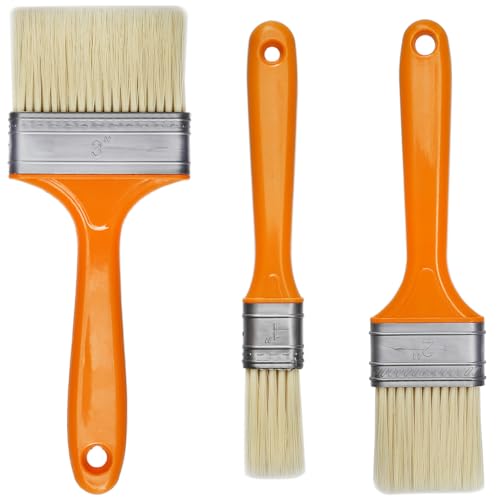
- Soft nylon cleaning brush for books
- Vinyl eraser for book edge cleaning


Before You Start
Test a small, inconspicuous corner of the edge if possible. Work in a clean, dry area away from moisture to prevent paper warping. Use light, even strokes and avoid pressing hard into the pages. Keep the book flat and supported to prevent spine stress. Plan for about 5–15 minutes per book, depending on dirt level and edge length.
Step-By-Step: How To Clean Dirty Book Edges
- Place the book on a clean, stable surface with the edges exposed but the spine supported.
- Use a soft nylon cleaning brush to gently loosen surface dust around the edges in a light, sweeping motion.
- Switch to an archival dusting brush for any stubborn dust buildup near the corners.
- Wipe the edges with a microfiber cloth, using small circular motions to lift particles without abrading the paper.
- For grime or sticky residue, lightly rub a vinyl eraser along the edge, then brush away eraser dust with the archival brush.
- Inspect the edges for missed spots; repeat the brushing and light wiping as needed.
- If edges are very dry or brittle, avoid moisture; consider a dry conditioning brush to reduce static and attract dust.
- Return the book to its shelf upright, ensuring the spines remain supported and edges dry before stacking.
- Repeat the process periodically as part of regular book maintenance to prevent heavy buildup.
- For mixed media or heavily soiled volumes, consult a professional conservator to avoid irreversible damage.
Troubleshooting
| Symptom | Likely Cause | Fix | Prevention |
|---|---|---|---|
| Edges feel tacky after cleaning | Residual adhesive or moisture | Allow complete air-dry; wipe lightly with a dry microfiber cloth | Use minimal moisture; avoid soaked cloths |
| Edges show whitening or fraying | Excessive pressure or abrasive eraser | Reduce pressure; switch to gentler brushing | Handle carefully; test on small area first |
| Dust returns quickly | Exposure to dusty environment | Clean regularly; store in a clean, dry area | Keep books in closed shelves or cabinets |
| Color transfer to cloth | Colored paper or coatings | Use a dedicated clean cloth and avoid rubbing colored edges | Handle with clean hands; avoid transfer |
Common Mistakes
- Over-wetting the edges or applying liquid cleaners
- Using aggressive erasers or stiff brushes on delicate pages
- Cleaning while the book is closed or piled under weight
- Ignoring signs of mold or moisture damage
Careful handling and the right tools reduce the risk of damage and preserve edge integrity over time.
Tips For Best Results
- Work in a well-lit area to see dust and grime clearly.
- Use the lightest touch possible; many edges are fragile.
- Keep cleaning tools dedicated to book care to avoid cross-contamination with other surfaces.
- Store cleaned books upright with even pressure on the spine to prevent edge curling.
- Establish a routine: light cleaning every few months prevents heavy buildup.
Call A Professional
Seek professional help if the edges show staining from liquid, persistent mildew, or visible page separation. Do not attempt aggressive cleaning on rare, valuable, or fragile volumes, such as antique bindings or archival editions.
FAQ
Can I use water to clean book edges?
Water can cause ink running and edge warping; use moisture only if a product specifies safe for paper edges and apply very sparingly.
Are specific brands better for book edge cleaning?
Selections labeled for museum or archival use typically perform best on delicate materials; choose brushes and cloths designed for books.
How often should I clean the edges of my books?
Light cleaning every 3–6 months is usually sufficient for home libraries, with deeper cleanings only when needed.
Is cleaning edges enough, or should I clean the entire book?
Edge cleaning helps appearance and dust control, but periodic surface cleaning of covers and spines is also beneficial.
What about mold or musty smells?
Mold requires a specialized, careful approach; isolate affected volumes and consult a professional conservator if mold is present.
Buying Guide
When choosing tools for cleaning dirty book edges, consider size, material, and use case. A dedicated book edge cleaning brush paired with a soft nylon brush covers most tasks without damaging paper. A microfiber cloth offers safe, lint-free wiping, while an archival dusting brush helps reach corners without abrading edges. A vinyl eraser can lift stubborn residues, but must be used with care. For heavier soils, look for tools with soft bristles and fine control.
Size and grip matter: select tools that fit comfortably in hand and reach edge lengths without needing awkward repositioning. Noise level is typically low with handheld brushes, making them suitable for quiet environments like libraries or living rooms. Energy efficiency is less relevant for manual tools, but durability and replaceable heads improve long-term value. Consider how your storage area is arranged; compact tools suit small shelves, while larger sets suit a dedicated cleaning station.
Controls and maintenance: choose tools with simple maintenance, cleanable bristles, and replaceable cloths. For placement, store brushes and cloths in a labeled container near the shelf to encourage regular use. If you regularly handle rare editions, invest in archival-grade tools designed to minimize friction and static buildup. Finally, ensure that the cleaning routine integrates with overall book care, including climate control and dust management in the room.