Keeping Hoka running shoes clean extends their life and maintains comfort. The following guide explains a practical, step-by-step method to refresh your sneakers using common cleaning tools. Each step is designed to be safe for most Hoka models while avoiding damage to materials.
By following these steps, runners can remove dirt, restore brightness, and reduce odors without specialized equipment. The approach emphasizes gentle cleaning, proper drying, and routine upkeep that fits into a busy training schedule.
Quick Answer
What you’ll do: Remove laces, brush away loose dirt, apply a gentle cleaner, scrub with a soft brush, rinse lightly, air dry away from direct heat, and refresh with odor control. Finish with clean laces and optional protective spray.
What You’ll Need
- Hoka shoe cleaner spray for running shoes
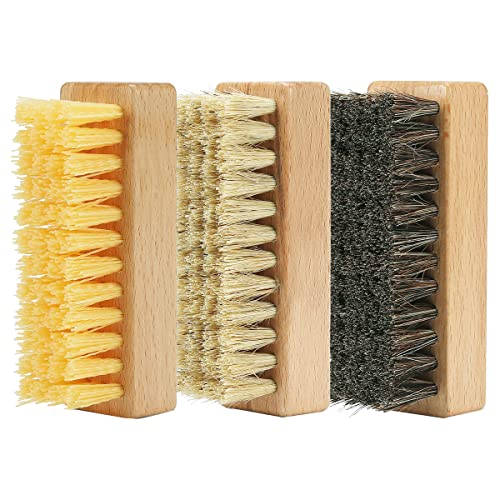
- Soft bristle sneaker cleaning brush set
- Ultra microfiber cleaning cloth for sneakers
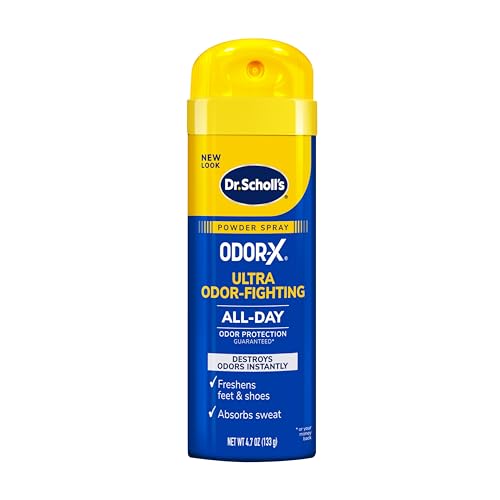
- Odor eliminator spray for running shoes
- Laces cleaning kit for sneakers and running shoes

Before You Start
Check the shoe materials—most Hoka uppers are fabric or mesh with synthetic overlays. Test cleaners on a small, inconspicuous area first to avoid color fading. Work in a well-ventilated area and protect your workspace from moisture. Time estimates assume normal drying conditions; drying can take 6–24 hours depending on humidity and ventilation. Important: do not soak the shoes, and avoid direct heat sources during drying to prevent warping or material damage.
Step-By-Step: How To Clean Hoka Shoes
- Remove laces and insoles if possible. This allows full cleaning of the tongue and eyelets and prevents lingering odors.
- Tap the shoes together to knock loose dirt, then use the soft brush to dislodge mud from the outsole and midsole.
- Spray a light, even coat of Hoka shoe cleaner on the exterior, focusing on stained areas. Let it sit for 1–2 minutes to loosen grime.
- Gently scrub the upper in circular motions with the soft bristle brush, avoiding aggressive scrubbing on delicate fabrics. Use a microfiber cloth for stubborn spots.
- Wipe away residue with a clean, damp microfiber cloth. Rinse the cloth regularly to prevent re-depositing dirt.
- For the outsole, scrub more firmly with the brush to remove embedded dirt. Rinse or wipe clean to reveal the original color.
- Air-dry the shoes in a shaded, ventilated area. Stuffing with paper towels can help absorb moisture and maintain shape, but avoid direct heat like radiators or sun exposure.
- Clean the laces separately using the laces cleaning kit, then air dry before re-lacing the shoes.
- Apply a light odor eliminator spray to the interior and allow it to dry before wearing. Reapply after several workouts as needed.
- Inspect for remaining stains; repeat targeted cleaning if necessary. Finish with a microfiber cloth buff to restore texture.
- Store in a cool, dry place to prevent odor buildup and material degradation during periods of non-use.
Troubleshooting
| Symptom | Likely Cause | Fix | Prevention |
|---|---|---|---|
| White fabric turning gray after cleaning | Residual dirt or mineral deposits | Re-clean with gentle cleaner and a fresh microfiber cloth | Rinse cloth frequently; avoid over-wetting |
| Odor persists after cleaning | Moisture trapped inside | Dry thoroughly, use odor eliminator, and consider ventilation inserts | Do not store damp shoes; air out after workouts |
| Color fading or fabric thinning | Harsh cleaners or aggressive scrubbing | Switch to milder cleaner and softer brush | Spot-test cleaners first |
| Outsole starts to squeak | Residual soap or moisture | Wipe dry; ensure complete drying before wearing | Avoid soaking and excessive water |
Common Mistakes
- Soaking shoes in water to clean stains
- Using hot water or high heat to dry
- Using stiff brushes on mesh or knit uppers
- Neglecting to remove insoles or laces before cleaning
- Ignoring odor buildup after long periods of wear
Tips For Best Results
- Clean shoes soon after they get dirty to prevent staining from setting in.
- Use color-safe cleaners compatible with mesh and knit fabrics.
- Protectors or water-repellent sprays can help maintain cleanliness between cleanings.
- Schedule a routine cleaning after long runs or mud-filled workouts.
- Rotate footwear to extend lifespan and reduce overall wear on any single pair.
Call A Professional
Consider professional cleaning if shoes have delicate materials, unusual stains, or if the cleaning process risks color running. Seek expert help if the upper fabric shows fraying, the outsole is detached, or there is persistent odor that doesn’t respond to at-home methods.
FAQ
Can I machine wash Hoka shoes?
Machine washing is generally not recommended as it can damage midsoles, adhesives, and fabrics. Hand cleaning with a gentle cleaner is preferred.
How often should I clean running shoes?
Clean after muddy or sweaty runs, and perform a light wipe-down weekly to remove surface dirt and sweat buildup.
Will cleaning bleach or strong solvents harm my shoes?
Strong solvents can degrade fabrics and color; use milder cleaners designed for athletic footwear.
How do I dry Hoka shoes quickly?
Stuff with paper towels to absorb moisture and air-dry in a shaded area; avoid heat sources that can warp materials.
Should I use a conditioner on the uppers?
Most Hoka uppers don’t require conditioner; follow the cleaner’s guidance and stick to breathable fabrics when treating.
Buying Guide
When choosing cleaning supplies for Hoka shoes, consider size, compatibility with materials, and ease of use. A dedicated shoe cleaner spray paired with a soft bristle brush set covers most surfaces without risk of damage. An ultra microfiber cleaning cloth helps lift dirt without scratching. Odor eliminator sprays provide a quick refresh between deep cleanings, while a laces cleaning kit keeps the entire look tidy. For best results, select products that mention athletic footwear, mesh-safe formulations, and color-safe options.
Size and capacity matter for ongoing maintenance: a compact spray bottle and a small brush set fit easily into a cleaning kit or gym bag. Noise level is typically not a concern with these tools, but ease of use and effectiveness should guide your choice. Look for simple instructions, materials-safe formulas, and fast-drying options. Consider your shoe color and material when selecting cleaners to avoid fading. For placement, store your kit in a dry cabinet or on a shelf near the laundry area for quick access after runs.
Why this matters: consistent, gentle cleaning extends the life of Hoka shoes and keeps them looking and smelling fresh. Have you assigned a dedicated cleaning routine to your athletic footwear, and does your kit include both a cleaning spray and a microfiber cloth for best results?