Cleaning a sofa without a vacuum can still be effective when using safe household products. Baking soda helps absorb odors and loosen minor stains, while simple tools keep the job easy and quick. This guide outlines a practical method that works for most fabric sofas in American homes, with step‑by‑step instructions and pro tips for best results.
Note: Always test any cleaner on a hidden area first to ensure colorfastness and fabric safety. If the sofa has delicate or leather upholstery, adjust methods accordingly or consult the manufacturer’s care label.
Quick Answer
Quick method: Sprinkle baking soda over the sofa, let it sit to absorb odors, then brush or wipe away with microfiber cloths. For stains, lightly mist fabric stain remover spray, blot, and finish with a soft upholstery brush. Use a portable fabric steamer to refresh fibers if needed.
What You’ll Need
- baking soda deodorizer upholstery powder
- upholstery cleaning brush soft bristle
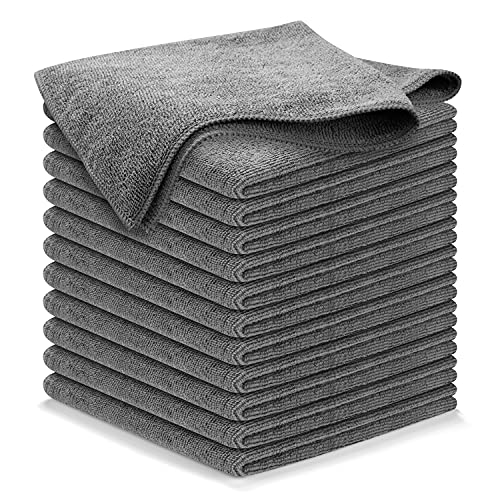
- microfiber cloths for upholstery cleaning
- portable fabric steamer for upholstery
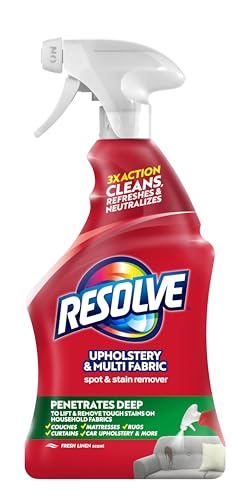
- fabric stain remover spray for upholstery

Before You Start
Prepare a clean, well‑lit area and remove cushions or loose items from the sofa. Safety first: ensure no one in the home has allergies to baking soda dust, and keep pets away during the cleaning process. If the sofa is heavily soiled or stained, consider spot testing in an inconspicuous area and adjust technique as needed. Plan for a dry time of 1–3 hours, longer if the room is humid.
Step-By-Step: How To Clean A Sofa With Baking Soda Without Vacuum
- Move cushions aside and lightly brush the sofa with a soft bristle upholstery brush to lift surface dust.
- Generously sprinkle baking soda deodorizer upholstery powder on the fabric, focusing on areas with odors or visible residue.
- Let the baking soda sit for 15–30 minutes to absorb odors and moisture from the fabric.
- Use the microfiber cloths for upholstery cleaning to gently rub the powder into the weave in small circles.
- For stains, lightly mist a small amount of fabric stain remover spray for upholstery on the fabric (test first in a hidden spot). Blot with a microfiber cloth rather than scrubbing hard.
- After blotting, brush the fabric again with the soft bristle upholstery brush to release the powder and lift fibers.
- If practical, steam the fabric lightly with a portable fabric steamer for upholstery to refresh fibers and help remove moisture. Hold the steamer a few inches away to avoid saturating.
- Wipe away any remaining powder with a clean microfiber cloth. Inspect the surface and repeat any steps for stubborn odors or stains.
- Allow the sofa to air dry completely before reassembling cushions. Open windows or use a fan to speed drying if needed.
- Once dry, do a final brush with the upholstery brush to restore pile and smoothness.
- Optional: vacuum or wipe once more with a fresh microfiber cloth to collect any lingering dust (if a vacuum is available later).
Troubleshooting
| Symptom | Likely Cause | Fix | Prevention |
|---|---|---|---|
| Musty smell persists | Odor trapped in deeper fibers | Repeat baking soda treatment and allow thorough drying | Regular light maintenance, quick deodorizing after spills |
| Stains reappear after drying | Deep-set stain or insufficient blotting | Apply stain remover spray to affected area, blot gently, and repeat | Address stains promptly, test spot first |
| Pilling or fabric dulls | Overbrushing | Gentle brushing with microfiber cloths only | Avoid aggressive scrubbing |
| Residue left after cleaning | Excessive baking soda or dampness | Brush and air-dry completely; wipe with microfiber cloth | Use a light hand with powder and ensure thorough drying |
Common Mistakes
- Overusing baking soda and leaving it on too long, causing powder residue
- Using a stiff brush that damages delicate upholstery fibers
- Heavily soaking stains with water-based sprays, leading to moisture buildup
- Neglecting full drying time, which can trap odors again
- Not testing cleaning products on a hidden fabric area
Tips For Best Results
- Test all cleaners on a hidden area of the sofa before proceeding.
- Work in small sections to control moisture and avoid oversaturation.
- Use microfiber cloths for their absorbency and lint-free finish.
- Keep a light touch with the upholstery brush to preserve fabric texture.
- Consider a light steam pass to refresh fibers but avoid direct heat on delicate fabrics.
Call A Professional
Seek professional help if the sofa has:
- Delicate or antique fabric, leather, or suede surfaces
- Extensive staining, pet urine, or mold growth
- Uncertain fabric care instructions or colorfastness
Stop cleaning if you notice color transfer, persistent odors after thorough drying, or any fabric damage. A pro can provide targeted cleaning solutions and risk-free restoration.
FAQ
Can baking soda damage upholstery?
Baking soda is generally safe for many fabrics when used sparingly and removed completely, but always test first and avoid leaving residue.
Do I need to vacuum after baking soda cleaning?
A vacuum is not required, but it can help remove any leftover powder and improve results if available.
Will steam damage my sofa?
Steam can refresh fibers, but keep the nozzle at a safe distance and avoid soaking the fabric, especially on delicate materials.
How often should I clean a sofa with this method?
In households with normal use, a quarterly light deodorizing and stain touch-up is often sufficient; adjust frequency based on odors and spills.
Buying Guide
When choosing tools for sofa cleaning, consider the following factors to maximize effectiveness and ease of use:
- <bSize and fabric compatibility: Match the sofa’s fabric type to the cleaning approach. Delicate fabrics may require gentler methods.
- <bNoise level: Portable fabric steamers and brushes vary in noise. Look for models with quiet operation if the cleaning happens during day hours or in shared spaces.
- <bEnergy efficiency: Prefer lightweight steamers with energy-efficient settings and short heat-up times.
- <bControls and ergonomics: Choose comfortable grips and simple controls for extended cleaning sessions.
- <bPlacement and storage: Compact tools that store easily under furniture or in a linen closet help keep cleaning supplies organized.
- <bCombined functionality: A kit that includes a soft brush, microfiber cloths, and a stain remover spray offers convenient, all-in-one cleaning capability.
- <bMaintenance needs: Look for washable cloths and reusable brushes to minimize ongoing costs and waste.
With these factors in mind, a practical setup for many American homes includes a soft bristle upholstery brush, microfiber cloths, a baking soda deodorizer powder, a portable fabric steamer, and a stain remover spray. This combination supports routine deodorizing, light stain treatment, and fiber refreshment without a vacuum, making sofa cleaning more accessible and efficient.