Isopropyl alcohol (IPA) is common in many homes and workplaces, but its spills require prompt, careful handling to reduce fire risk and skin or surface irritation. This guide provides practical, step-by-step instructions for cleaning up IPA spills and preventing reoccurrence, with a focus on safety and proper disposal.
The process below emphasizes using appropriate absorbent materials and protective gear, along with simple containment strategies to keep the area safe and clean.
Quick Answer
Contain the spill with absorbent pads or socks, use towels to blot excess liquid, and collect contaminated materials in a hazardous waste solvent disposal container. Ventilate the area, avoid ignition sources, and consider an activated carbon air purifier for solvent vapors to reduce odors and vapor exposure. Dispose of waste according to local regulations.
What You’ll Need
- Isopropyl alcohol spill kit absorbent pads
- Isopropyl alcohol spill clean up towels
- Solvent absorbent socks isopropanol
- Hazardous waste solvent disposal container
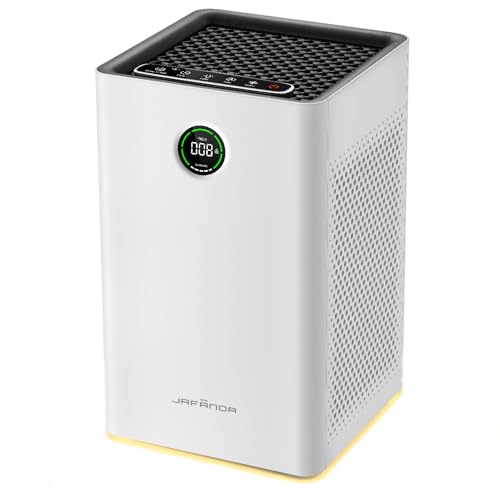
- Activated carbon air purifier for solvent vapors

Before You Start
Prepare by ensuring the area is well-ventilated and free from ignition sources. If the spill is large or on a porous surface, additional steps may be needed. Never use heat sources or open flames near IPA spills, and wear protective gloves and eye protection to minimize skin and eye contact. Estimate the spill size and time required for cleanup to allocate proper absorbents and disposal containers.
Step-By-Step: How To Clean Up An Isopropyl Alcohol Spill
- Isolate the spill area to prevent spreading. Stop any activity that might shed more IPA and keep ignition sources away.
- Ventilate the space. Open windows or use fans if safe to do so, especially in enclosed rooms.
- Put on protective gear. Wear chemical-resistant gloves, safety glasses, and, if needed, a respirator for larger incidents.
- Contain the liquid. Place absorbent pads or socks around the edge of the pool to contain spreading and absorb the bulk of the liquid.
- Absorb and blot. Gently press absorbents onto the spill to soak up IPA; avoid scrubbing which can spread the liquid further.
- Collect contaminated materials. Transfer used pads, towels, and other absorbents into the hazardous waste solvent disposal container.
- Rinse the area if safe. After soaking, wipe the surface with a damp disposable wipe to remove any residual IPA, then dry with a clean, lint-free towel.
- Check for fumes. Use an activated carbon air purifier for solvent vapors if odors persist or if air quality is a concern.
- Seal and dispose. Close the disposal container securely and follow local hazardous waste guidelines for disposal.
- Document the cleanup. Note the spill size, materials used, and disposal method for safety records and future prevention.
Troubleshooting
| Symptom | Likely Cause | Fix | Prevention |
|---|---|---|---|
| Persistent odor after cleanup | Vapor lingering in confined space | Increase ventilation; use activated carbon air purifier | Contain spill quickly to reduce vapor release |
| Stains on porous surfaces | IPA absorbed into material | Spot clean with appropriate solvent-safe cleaner or replace affected area | Use absorbent pads immediately on any spill |
| Absorbents not absorbing | Liquid flow exceeds capacity | Add more spill pads or socks and replace saturated materials | Plan for larger spills with extra absorbents |
| Disposal container overflows | Inadequate container size | Use a larger hazardous waste solvent disposal container; seal properly | Dispose gradually as you accumulate waste |
Common Mistakes
- Using ordinary towels alone without proper absorbents on IPA spills
- Rubbing or sweeping, which spreads IPA and creates aerosols
- Ignoring ventilation, leading to higher vapor exposure
- Improper disposal of contaminated materials
Choosing the right absorbents and disposing of waste correctly are essential to safe cleanup.
Tips For Best Results
- Keep a ready supply of isopropyl alcohol spill kit absorbent pads and spill clean up towels in work areas.
- Place solvent absorbent socks around the spill to form a barrier and prevent spreading on floors and surfaces.
- Coordinate with safety data sheets (SDS) for IPA to follow specific cleanup and disposal instructions.
- Test a small area first when cleaning near sensitive surfaces to prevent damage.
- Use an activated carbon air purifier for solvent vapors in rooms where ventilation is limited.
Call A Professional
Contact a professional hazardous waste contractor if the spill is large, involves unknown contaminants, or occurs in a drainage system or porous building material. If there is any sign of persistent exposure, breathing difficulty, or skin irritation, seek medical advice immediately.
FAQ
What should I do immediately after IPA spills?
Ventilate, isolate the area, and start containment with absorbent pads or socks while wearing protective gear.
Can I use paper towels to clean up IPA?
Paper towels can help with blotting, but they should be backed by proper absorbents to capture the liquid effectively.
Is it safe to pour IPA down the drain?
IPA should not be disposed of down ordinary drains; follow local regulations and use a hazardous waste disposal container.
How can I prevent IPA spills in the future?
Store IPA in closed containers, use secondary containment, and keep absorbent supplies ready at all times.
What if I spill IPA on skin?
Rinse skin with plenty of water for at least 15 minutes and remove contaminated clothing. Seek medical advice if irritation persists.
How do I dispose of contaminated absorbents?
Place used absorbents in a hazardous waste disposal container and arrange compliant disposal through local services.
Buying Guide
When choosing products to manage IPA spills, consider size, portability, and compatibility with other safety measures. A compact IPA spill kit with absorbent pads and socks is ideal for small to medium spills in offices or labs, while larger workplaces may require higher-capacity absorbents and dedicated hazardous waste containers.
Key buying factors include:
- <bSize and capacity — Choose kits with enough absorbent material for the typical spill size in your space.
- <bNoise level — If using air purifiers, consider models with low decibel operation for offices or classrooms.
- <bEnergy efficiency — For air purifiers, look for ENERGY STAR or efficient motor designs to reduce power use during extended cleanups.
- <bControls — Simple, accessible controls and indicators help quick response during spills.
- <bPlacement — Plan where to store absorbents, disposal containers, and air purifiers for rapid access.
Additionally, ensure compatibility with hazardous waste disposal guidelines in your area and verify that absorbents are suitable for alcohol-based solvents. Consider a package that includes both absorbent materials and a properly rated disposal container to streamline compliance and cleanup efficiency.