Velvet adds a luxurious touch to furniture, but its plush fibers can show stains quickly. This guide provides practical, step-by-step methods to spot clean velvet upholstery effectively using common household tools and targeted cleaners. Readers will learn how to treat spills, choose appropriate products, and prevent permanent damage to delicate velvet fibers.
Quick Answer
Act fast when a spill occurs. Blot gently with a clean cloth to lift moisture, then use a velvet-safe cleaner or a dedicated stain remover. Always test a hidden area first and follow with a soft-bristle brush to restore nap. For stubborn spots, repeat in small sections and finish with a velvet-approved cloth to lift fibers back up.
What You’ll Need
- Velvet upholstery stain remover spray 12oz
- Microfiber velvet cleaning cloth set
- Soft bristle upholstery brush velvet fabric cleaner
- Velvet stain remover pens spot cleaner
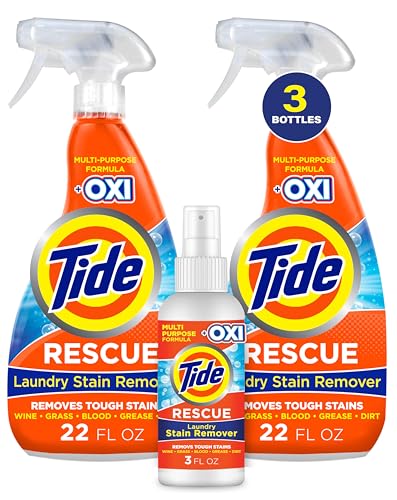
- Velvet fabric spot cleaning spray and cloth kit


Before You Start
Safety first: test any cleaner on a hidden area of the velvet to check colorfastness and nap response. Work on a clean, dry surface and avoid saturating the fabric. For oil-based spills, blot gently and use a solvent designed for velvet only if recommended by the cleaner’s instructions. Allow the fabric to air dry completely between steps to prevent setting stains.
Time estimate: 20–45 minutes per spot, depending on stain severity. Note that some velvet fibers have delicate nap that can be crushed if overworked; gentle motions yield best results. If the upholstery has a protective coating, consult the manufacturer’s care guidance before treating stains.
Step-By-Step: How To Spot Clean Velvet Upholstery
- Identify the type of stain by color and texture. Water-based stains (soda, juice) respond to blotting and water-safe cleaners, while oil-based stains (grease, lipstick) may require a solvent-based approach.
- Blot the spill softly with a clean, dry cloth to lift as much liquid as possible. Avoid rubbing, which can push stain deeper and crush the nap.
- Apply a small amount of velvet upholstery stain remover spray to a clean cloth or directly to a hidden test area, following product instructions. Begin with the lightest cleaner first.
- Gently dab the stained area from the outside toward the center. Do not saturate the fabric; keep the cloth slightly damp rather than wet.
- For nap restoration, use a soft bristle upholstery brush velvet fabric cleaner in a light, sweeping motion to lift the nap without causing abrasion.
- Rinse with a clean, damp cloth or use a dedicated spray-and-cloth kit to remove cleaner residue. Avoid soaking velvet, which can cause watermarks.
- Repeat as needed on small sections. If using velvet stain remover pens spot cleaner, apply to the tip, then dab gently onto the stain and work outward.
- Let the fabric air dry completely. If nap appears flattened, brush lightly in the direction of the nap to restore texture.
- For persistent spots, reapply a small amount of cleaner and repeat the process. Do not scrubbing aggressively; patience yields better results.
- Finish with a final pass of the microfiber velvet cleaning cloth set to blot dry and re-fluff the nap.
- Inspect under good lighting. If any stain remains, consider repeating steps with a different product or consult a professional if necessary.
Troubleshooting
| Symptom | Likely Cause | Fix | Prevention |
|---|---|---|---|
| Nap looks flat after cleaning | Over-wetting or aggressive scrubbing | Lightly brush in nap direction and blot with dry cloth | Use minimal moisture and gentle motions |
| Color transfer to cloth | Stain not fully lifted or dye bleeding | Test first, use color-safe products, repeat with fresh cloth | Work from outer edge inward; avoid rubbing |
| Watermarks or rings | Uneven moisture distribution | Evenly blot and dry in a warm, dry area | Apply cleaners sparingly in small sections |
| Stain reappears after drying | Stain embedded in fibers | Repeat cleaning steps with a new cloth; consider specialized velvet cleaner | Address promptly to prevent set-in stains |
Common Mistakes To Avoid
- Using excessive liquid—soaking velvet can cause rings and nap damage.
- Rubbing or scrubbing the pile—this can flatten the nap and spread stains.
- Skipping a patch test—colorfastness varies by velvet type.
- Using household cleaners not designed for velvet—may cause discoloration.
Tips For Best Results
- Always test cleaners on a hidden area before full treatment.
- Work with the nap; cleaning should align with the fabric’s direction for best texture restoration.
- Use a dedicated velvet brush after cleaning to lift fibers and restore the plush look.
- Store cleaners in a cool, dry place away from direct sunlight to preserve effectiveness.
Call A Professional
Consult a professional if stains cover a large area, if velvet is satin-backed or antique, or if the stain persists after multiple gentle cleanings. Stop further attempts when the nap shows discoloration, texture changes, or if the fabric is labeled as dry-clean only.
FAQ
Can I use water to clean velvet?
Yes, for water-based stains, but apply sparingly and blot, not soak. Testing first is essential.
Is velvet fabric spot cleaning spray safe for all velvet types?
Most are suitable for common velvet fabrics, but always check the care label and test on a hidden area first.
How do I restore nap after cleaning?
Lightly brush with a soft-bristle velvet brush in the direction of the nap once the fabric is dry.
What if a stain reappears after drying?
Re-treat the spot with a cleaner appropriate for velvet and repeat the steps with a new cloth.
Buying Guide
When choosing tools and products for velvet spot cleaning, consider several factors to ensure effective results and fabric care.
- Size and coverage: Look for spray bottles and pens that match the size of typical spills on sofas or chairs. Smaller bottles are easy to control for spot cleaning; larger bottles are helpful for frequent maintenance.
- Nozzle design: Fine-mist spray heads prevent over-wetting and provide even coverage on nap surfaces.
- Fabric compatibility: Choose products labeled safe for velvet or delicate fabrics; some cleaners specify nap-friendly formulations.
- Materials included: Kits with microfiber cloths and soft-bristle brushes help lift stains gently and restore nap without damage.
- Water-based vs solvent-based: Water-based cleaners are generally safer for most velvet; solvent-based options may be needed for oil-based stains but require careful use and ventilation.
- Storage and maintenance: Keep cleaners away from heat sources and direct sunlight to preserve effectiveness and prevent chemical degradation.
- Cost and value: A small set with a stain remover pen, spray, and cloths offers versatility for different stain types while avoiding over-purchasing.
Looking for a balanced approach to velvet care? A curated kit combining a velvet fabric spot cleaning spray and cloth kit with a soft bristle upholstery brush can cover most stain scenarios effectively. If uncertainty remains, refer to the fabric’s care label and consider a professional cleaning option for large or stubborn stains.