Smoke odor can linger from cooking, wildfire smoke, cigarettes, or vaping. Removing it requires a combination of air cleaning, odor absorption, and surface treatment. This guide provides practical steps, using common household tools and targeted odor-control products to restore freshness in indoor spaces and vehicles.
By following a structured approach, readers can reduce airborne particles, neutralize odors, and prevent reabsorption of smoke aromas. The strategies emphasize safety, efficiency, and realistic timeframes for both home rooms and car interiors.
Quick Answer
Use a multi-pronged approach: purify the air with a HEPA air purifier with activated carbon, treat surfaces with odor eliminators, absorb odors with charcoal bags, and consider an ozone generator only in unoccupied spaces and with proper caution. For cars, targeted sprays and portable absorbers often deliver fast results.
What You’ll Need
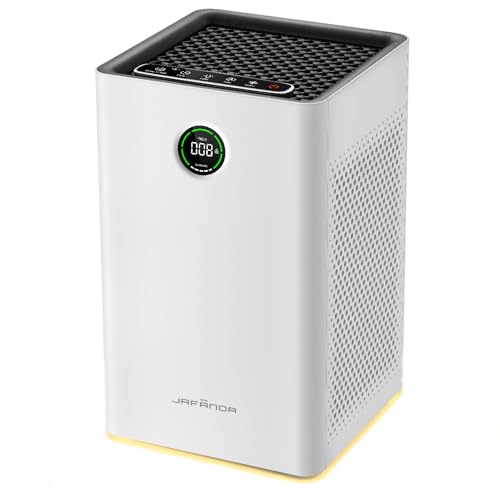
- HEPA air purifier with activated carbon filter for smoke odor
- smoke odor eliminator spray 16 oz
- activated charcoal odor absorber bags for smoke smell
- ozone generator for smoke odor removal
- car cabin smoke odor eliminator spray


Before You Start
Assess the scope of odor: does it persist after ventilation, or is it embedded in fabrics and soft surfaces? Ensure rooms are free of people and pets during ozone use, and follow all device instructions. Plan on a multi-day schedule for strong odors and larger spaces. Ventilate well before and after treatments, and protect valuables and sensitive electronics from moisture and chemical exposure.
Step-By-Step: How To Get Rid Of Smoke Smell
- Open doors and windows to maximize cross-ventilation before starting any odor-removal process.
- Run a HEPA air purifier with activated carbon filter for smoke odor in the affected area to capture particles and neutralize smells from the air.
- Wipe hard surfaces with a mild detergent or surface cleaner to remove surface residues that trap odor molecules.
- Spritz smoke odor eliminator spray 16 oz on fabrics, upholstery, curtains, and carpet edges, testing a hidden area first.
- Place activated charcoal odor absorber bags for smoke smell in corners, under furniture, and near air vents to absorb lingering odors.
- For strong odors, consider using an ozone generator for smoke odor removal in unoccupied spaces, following all safety instructions and recommended exposure times.
- In cars, use the car cabin smoke odor eliminator spray on seats, headliners, and mats, and place odor absorbers inside cup holders and behind seats.
- After treatment, run the purifier again for several hours to capture residual particles and refresh the air.
- Reassess odor after a full day; repeat treatments on high-odor zones if needed, prioritizing fabrics and soft surfaces.
Troubleshooting
| Symptom | Likely Cause | Fix | Prevention |
|---|---|---|---|
| Odor lingers after treatment | Odor trapped in fabrics | Repeat spray and run purifier; consider fabric-safe cleaners | Pre-clean fabrics; use covers on furniture |
| Air feels stuffy | Insufficient fresh air exchange | Increase ventilation duration; add a window fan | Ventilate during and after treatments |
| Strong chemical smell from sprays | Overuse of products | Apply lighter misting; allow time to dissipate | Use products as directed and in small increments |
| Ozone treatment leaves no improvement | Ozone safety device activation needs longer exposure or is ineffective for certain materials | Limit ozone to unoccupied spaces and re-evaluate with professional guidance | Prefer non-ozone methods for sensitive areas |
Common Mistakes
- Relying on a single method instead of combining air cleaning, odor absorption, and surface treatment
- Using ozone generators in occupied spaces or with poor ventilation
- Overlooking hidden odor sources like HVAC ducts or drapes
- Ignoring testing on delicate fabrics before broad application
- Not giving enough time for products to work between applications
Tips For Best Results
- Run the HEPA air purifier continuously during the odor-removal process.
- Place activated charcoal bags where air circulates to maximize contact with odor molecules.
- Vacuum carpets and upholstery thoroughly before applying sprays to remove embedded residue.
- For cars, remove floor mats, vacuum, and clean mats separately to reduce embedded odors.
- Schedule multiple short treatments rather than one long session for better odor control.
Call A Professional
Consider contacting a professional if smoke odors persist after multiple treatments, especially in large homes or commercial spaces. Seek a pro if there is visible mold growth, widespread water damage, or persistent combustion-related smells that do not respond to consumer-grade products.
FAQ
What is the fastest way to remove smoke odor?
Use a combination of a HEPA air purifier with activated carbon, targeted odor eliminators, and odor absorbers, followed by thorough ventilation and surface cleaning.
Is it safe to use an ozone generator indoors?
Ozone generators should only be used in unoccupied spaces and according to manufacturer instructions; they pose health risks and require careful scheduling.
Can fabric sprays damage upholstery?
Test sprays on a hidden area first and use fabric-safe formulations to avoid staining or discoloration.
Should I clean HVAC ducts for smoke odors?
Yes, especially if odors persist after room treatments; professional duct cleaning can help remove embedded odors.
How long does it take to remove smoke smells from a car?
Usually several hours to a few days, depending on odor intensity and treatment consistency.
Are charcoal odor absorbers effective long-term?
Charcoal absorbers help reduce odors over time but should be rotated or replaced as they become spent.
Can I sleep in a treated room?
Avoid sleeping in a room actively treated with ozone or strong chemical sprays; air out the space first.
Buying Guide
When choosing tools and products to combat smoke smell, consider size, noise, energy use, and placement. A practical setup often includes a compact purifier for small rooms and a larger unit for living areas. Look for models with both a high-efficiency particulate air (HEPA) filter and an activated carbon stage to capture particles and odors. Noise level matters for bedrooms and offices; select a unit rated for quiet operation if nearby sleep or work occurs.
Energy efficiency is a factor for long-term use; review energy ratings and run costs. Controls should be intuitive, with different fan speeds and a timer to match cleaning cycles to activity patterns. For placement, position purifiers away from walls to maximize airflow, and situate odor absorbers near corners and vents for even distribution. If car odor is the primary concern, portable sprayers and absorbers designed for enclosed spaces can deliver rapid relief.
Consider the odor source: smoke from cooking or wildfire may benefit from higher-output purifiers and larger absorber sets; cigarette smoke often requires repeated fabrics treatment and upholstery cleaning. Finally, evaluate maintenance intervals—filters and absorbers require periodic replacement to maintain effectiveness. A balanced kit combining a purifier, odor eliminator spray, charcoal absorbers, and optional ozone activation (where safe) provides a versatile, long-term solution for homes and vehicles.