Cleaning coins can restore their appearance, but it requires care to avoid damage. This guide explains a careful, non-abrasive approach using common household materials and safe tools designed for coin cleaning. It emphasizes preserving coin surfaces while removing grime and tarnish.
Readers will learn practical steps, safety considerations, and when to seek professional help. The methods focus on gentle cleaning with baking soda and compatible tools to minimize risk to numismatic value.
Quick Answer
Use a mild baking-soda paste and a soft brush to gently scrub the coin, followed by rinsing and pat-drying. For delicate or collectible coins, limit cleaning or skip it entirely and consult a professional. Always test on a less valuable example first.
What You’ll Need
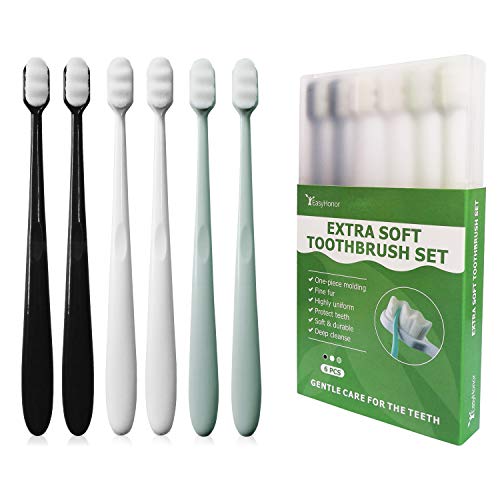
- soft bristle toothbrush for coin cleaning
- coin cleaning kit non abrasive safe for coins
- microfiber polishing cloth for coin cleaning
- ultrasonic cleaner for coins jewelry
- coin cleaning brush set


Before You Start
Prepare a clean, non-metallic workspace and gather your tools. Work in a well-lit area and handle coins by the edges to avoid transferring oils from fingers. Avoid harsh chemicals, steel wool, or abrasive pads, which can scratch or wear coin surfaces. Baking soda is a mild abrasive; use it sparingly and rinse thoroughly. Estimate a 15–45 minute timeframe per batch depending on coin values and cleanliness.
Consider the coin’s age, composition, and potential numismatic value. Cleaning can reduce value if overdone, especially on old or rare coins. If a coin is heavily tarnished or potentially valuable, seek expert advice before proceeding.
Step-By-Step: How To Clean Coins With Baking Soda
- Inspect each coin for value and condition. Separate coins that may require professional grading from those safe for cleaning.
- Rinse coins under lukewarm water to remove loose dirt. Do not use hot water, which can warp patina.
- Prepare a mild paste by mixing baking soda with a small amount of water until it forms a thick paste.
- Dip a soft bristle toothbrush for coin cleaning into the paste and gently brush the coin in small circular motions, focusing on crevices. Do not press hard.
- Rinse the coin thoroughly under lukewarm water to remove all paste residues. Use distilled water if possible to reduce mineral deposits.
- Dry the coin with a microfiber polishing cloth for coin cleaning. Pat dry rather than rubbing to minimize scratches.
- If tarnish persists on non-valuable coins, repeat once or twice with careful brushing, then rinse and dry again. For stubborn cases, consider a ultrasonic cleaner for coins jewelry following manufacturer instructions, ensuring the coin can withstand ultrasonic cleaning.
- Store cleaned coins in a soft, padded container or album to prevent future contact with air and oils.
- Document the process and note any changes in appearance. Avoid repeated aggressive cleaning on the same coin.
- Repeat only as needed and with caution; do not exceed gentle cleaning, especially for coins of potential value.
Troubleshooting
| Symptom | Likely Cause | Fix | Prevention |
|---|---|---|---|
| Coin looks dull after cleaning | Surface scratches or residue | Rinse thoroughly, dry with microfiber, and re-polish gently | Use soft tools; minimize scrubbing pressure |
| Greenish tarnish on copper coins | Oxidation from moisture | Short, careful cleaning with baking soda; dry immediately | Store coins in dry, low-humidity conditions |
| Coin edges flake or appear damaged | Overbrushing or abrasive paste | Cease cleaning; consult a professional for assessment | Always use mild paste and soft brushes |
| Coins stuck together after cleaning | Residue or mineral buildup | Rinse with distilled water and gently separate when dry | Rinse thoroughly after cleaning |
Common Mistakes
- Using abrasive pads or rough brushes that scratch the surface
- Over-brushing or scrubbing too hard, especially on delicate coins
- Using tap water that leaves mineral deposits on coins
- Over-cleaning valuable coins; cleaning can reduce numismatic value
- Ignoring safety guidelines when using chemical pastes or cleaners
Tips For Best Results
- Test the cleaning method on a less valuable coin before applying it to important pieces
- Always use a soft-bristle brush and a microfiber cloth designed for delicate surfaces
- Rinse with distilled water to minimize mineral deposits
- Limit the number of cleaning sessions per coin to avoid wear
- Document any cleaning steps and outcomes to track changes over time
Call A Professional
Consider consulting a professional numismatist or coin conservator if a coin is rare, valuable, or displays significant wear, corrosion, or potential patina that could be harmed by cleaning. Stop cleaning if you notice any of the following: loss of detail, color changes that reveal metal beneath, or flaking surfaces.
FAQ
Is baking soda safe for all coins?
Baking soda is gentle but may not be appropriate for all coins, especially highly valuable or ancient pieces. Proceed with caution and consider professional advice for such coins.
Can I use ultrasonic cleaning on coins?
Ultrasonic cleaners can be effective for some coins and jewelry, but they may cause damage on delicate surfaces. Follow manufacturer guidance and test on non-valuable pieces first.
How do I store cleaned coins to prevent tarnish?
Store in a dry environment, using acid-free holders or albums, and avoid touching surfaces with bare hands to minimize oils.
What if cleaning changes a coin’s color?
Minor color changes can occur from polishing; if a coin’s value is important, stop cleaning and seek professional input.
Should I clean every coin I own?
No. Avoid cleaning valuable or collectible coins unless advised by an expert to preserve value.
What tools are best for beginners?
A soft-bristle brush, a coin cleaning kit safe for coins, a microfiber cloth, and gentle cleaning solutions are suitable for most minor cleanings.
Buying Guide
When selecting tools for coin cleaning, consider size, material compatibility, and ease of use. The right kit should balance gentleness with effectiveness, offering non-abrasive options that preserve patina where desired. Think about how often you clean, storage needs, and whether you prefer manual brushing or ultrasonic assistance. A compact set with a soft brush, safe cleaning paste, microfiber cloths, and protective containers is a versatile starting point. For more extensive cleaning or rare coins, a professional-grade ultrasonic cleaner can be a worthy addition, provided you follow guidelines for safe operation.
Factors To Consider When Buying
- <bSize and compatibility: Ensure brushes and cloths are appropriate for coin sizes and materials.
- <bNoise level: Ultrasonic devices vary; look for models with quiet operation if the workspace is shared.
- <bEnergy efficiency: Choose energy-conscious options for frequent use.
- <bControls: Simple, intuitive controls reduce the chance of misuse.
- <bPlacement: A dedicated, clean workspace with protective surfaces helps preserve coins.
- <bMaterial safety: Use non-abrasive, coin-safe pastes and products to prevent scratches and patina loss.
- <bMaintenance: Easy-to-clean tools and containers save time and maintain performance.
What combination of tools makes sense for your hobby or collection? A practical setup can include a soft-bristle brush, a non-abrasive coin-cleaning kit, microfiber cloths, and an optional ultrasonic cleaner for occasional deeper cleaning. For many collectors, careful, limited cleaning with baking soda and gentle brushing is a sensible starting point. If coins are valuable or diplomatically rare, prioritize preservation and professional guidance to avoid reducing their historic or monetary worth.