White dress shirts demand careful care to maintain brightness and fabric integrity. This guide walks through practical, repeatable steps using common household tools and targeted products to remove stains, brighten fibers, and keep collars crisp.
Whether you’re preparing for a big meeting or a special occasion, following a proven routine helps extend the life of white shirts without relying on harsh chemicals. The methods below prioritize safety, effectiveness, and easy at-home accessibility.
Quick Answer
Best practice: Treat stains as soon as possible, pre-treat with a stain remover pen or brush, launder with a whitening booster if needed, and finish with essential ironing or steaming to restore crispness. For stubborn collars, use a dedicated brush stain remover and color-safe bleach when appropriate. A garment steamer can refresh between wears without heavy washing.
What You’ll Need
- Stain remover pen for white dress shirts
- Brush stain remover for dress shirt collars
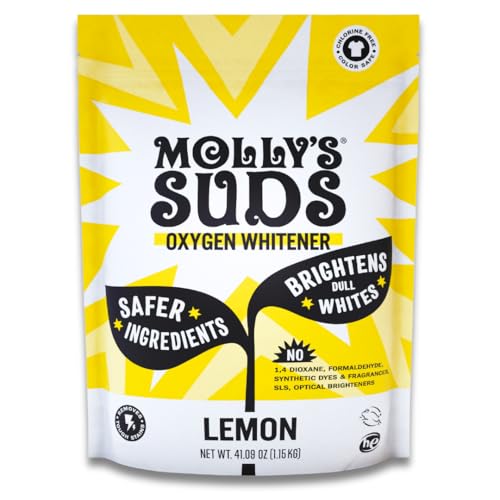
- Color-safe bleach for white dress shirts
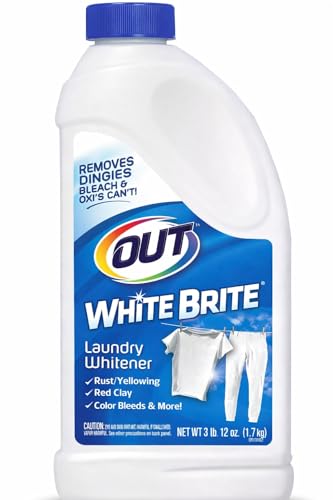
- Laundry whitening booster powder for white shirts
- Garment steamer for white shirts high-heat fabric care

Before You Start
Before cleaning, check the shirt label for fabric care instructions (cotton, cotton blends, or treated fabrics may have different requirements). Always test any chemical in an inconspicuous area first. Note: avoid chlorine bleach on proteins like wool or silk and never mix whitening boosters with chlorine-based products. Plan on at least 30–60 minutes for pre-treat and wash, plus optional 10–15 minutes for steaming if needed.
Step-By-Step: How To Clean A White Dress Shirt
- Inspect the shirt and identify stains, collar grime, and cuffs that need attention. Note any delicate areas on the label.
- Pre-treat stains with a stain remover pen on visible spots and allow it to sit for 5–10 minutes.
- Address collars with the brush stain remover, focusing on perspiration lines and edge wear. Gently scrub without damaging fabric.
- Soak for tough stains if needed. Dissolve a small amount of laundry whitening booster powder in cool water and soak 15–30 minutes for stubborn marks.
- Choose a gentle wash run on a warm cycle for cotton shirts or a cold cycle for delicate blends. Use a color-safe bleach if the stain persists and the garment label allows it.
- Rinse thoroughly to remove all cleaning agents, ensuring no residues remain that could cause yellowing over time.
- Dry wisely air-dry away from direct sunlight or use a low tumble-dry setting if the label allows. Remove promptly to minimize wrinkling.
- Iron or steam finish when dry. Use a garment steamer for a quick refresh, or iron on a suitable heat setting with a clean press cloth to avoid shine.
- Inspect again after finishing. If any stains remain, repeat targeted treatment rather than full rewash.
- Store properly on a hanger to reduce creases and keep collars crisp between wears.
- Routine maintenance consider a periodic whitening boost wash to maintain brightness over time.
- When in doubt, follow the garment label and err on the side of milder treatments to preserve fabric integrity.
Troubleshooting
| Symptom | Likely Cause | Fix | Prevention |
|---|---|---|---|
| Persistent yellow underarms | Sweat oils build-up | Re-treat with stain pen and wash on warm cycle | Wash promptly after wear; consider a light pre-rinse |
| Stains reappearing after washing | Residue from cleaners | Run an extra rinse cycle or use less detergent | Measure detergent; use rinse aid if available |
| Collars still dingy | Deep-set oils | Brush stain remover and rewash with booster | Pre-treat regularly; rotate shirts |
| Fabric feels stiff after wash | Detergent residue | Extra rinse cycle | Use a milder, color-safe product |
Common Mistakes
- Using hot water on delicate blends, which can shrink or warp fabric
- Overusing chlorine bleach on cottons, leading to yellowing over time
- Neglecting to test chemicals on a hidden fabric area first
- Ignoring stain pre-treatment for tough spots, causing set-in stains
Tips For Best Results
- Pre-treat promptly to maximize stain removal success
- Use a whitening booster powder only as directed on the label
- Combine stain removers with a gentle wash cycle for best fabric care
- Rotate shirts to avoid excessive wear on a single garment
Call A Professional
Seek professional cleaning if a stain remains after multiple at-home attempts, or if the shirt is highly delicate (silk blends, intricate embroidery). Immediate professional care is advised for garments showing dye transfer or fabric damage that worsens with home treatments.
FAQ
Can I use color-safe bleach on all white shirts?
Color-safe bleach is generally safe on white shirts, but always check the fabric label and perform a small patch test first.
How often should I use a whitening booster?
Use it as needed for brightness, but avoid excessive use which can weaken fibers over time.
Is a garment steamer essential for white shirts?
It’s optional but effective for quick refreshes and wrinkle removal between washings.
What temperature is best for cotton white shirts?
Warm water is typically effective for cotton, while delicate blends may require cold water.
Buying Guide
When selecting products to care for white dress shirts, consider size compatibility, stain removal strength, and fabric safety. For brightness, a whitening booster powder can be a practical option, while a stain remover pen offers on-the-spot treatment. A brush stain remover helps with collar grime, and a color-safe bleach provides an additional whitening boost without risking fabric damage. A garment steamer adds convenience for quick refreshes and crease-free presentation.
Key Buying Factors
- Size and packaging: Choose convenient sizes for your typical laundry load and travel needs.
- Noise level (for fabric care appliances): If using a steamer or washer, consider models with quiet operation.
- Energy efficiency: Opt for energy-conscious washers and steamers to reduce power use.
- Controls: Look for simple, intuitive controls on washers, boosters, and steamers.
- Placement: Store cleaners in a cool, dry area away from children and heat sources.