Rust can form on iron and cast iron items from exposure to moisture and air. Proper cleaning restores appearance and longevity while preventing further corrosion. The following guide provides practical steps and product options suitable for home projects in the United States.
With the right approach, most rust issues on iron surfaces can be addressed safely and effectively, whether you’re restoring garden tools, iron furniture, or cast iron cookware rims.
Quick Answer
Choose a rust remover product suited to your surface, apply with a scrub pad or brush, rinse and dry thoroughly, then seal or season if dealing with iron cookware to prevent new rust.
What You’ll Need
- rust remover for cast iron cookware
- iron rust remover gel for metal surfaces
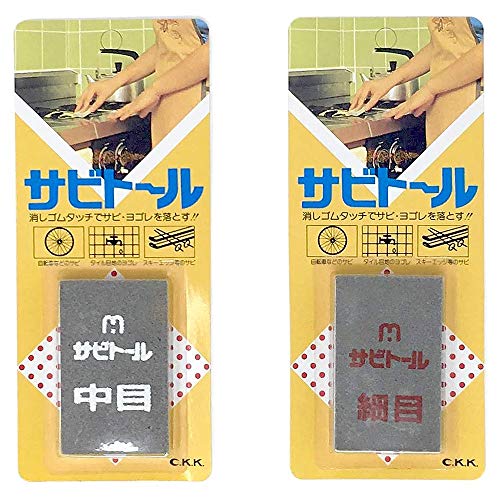
- rust eraser for iron metal surface
- cast iron rust remover spray
- metal rust remover powder for iron


Before You Start
Inspect the item for deep pitting or structural damage. Wear protective gloves and eye protection. Work in a well-ventilated area. Test a small, inconspicuous area first to ensure the product does not damage the finish. Time estimates vary by surface and rust severity: light cleanup can take 15–30 minutes, while heavier corrosion may require repeated treatments over several hours.
Critical cautions: avoid mixing rust removers with incompatible cleaners, and never use metal tools that could gouge the surface if the product is active. For cookware, ensure all cleaners are thoroughly rinsed and the surface is completely dry before seasoning or using.
Step-By-Step: How To Clean Rust Off Iron Surfaces
- Prepare the area and gather materials, including the chosen rust remover and a suitable applicator.
- Wipe loose rust with a dry cloth to reveal the strongest affected areas.
- Apply the rust remover product according to label directions, focusing on rusted patches only.
- Let the product sit for the recommended dwell time to break down rust bonds.
- Scrub the surface with a non-abrasive pad or rust eraser until rust loosens or disappears.
- Rinse thoroughly with clean water to remove residues and dry completely with a clean towel.
- If staining remains, reapply in a thin layer and repeat the scrubbing step until clean.
- For cast iron cookware, dry completely and apply a light oil to prevent future rust; re-season if needed.
- Inspect for any remaining rust specks and treat again if necessary, repeating steps as needed.
- Store the item in a dry area or use moisture-control methods to prevent re-rusting.
- Document any changes in finish and consider protective coatings appropriate for the surface.
Troubleshooting
| Symptom | Likely Cause | Fix | Prevention |
|---|---|---|---|
| Rust returns after cleaning | Moist environment or incomplete drying | Ensure full drying; apply protective coating | Store in dry place; use silica gel or dehumidifier |
| Discoloration or staining remains | Heavy rust deposits | Repeat treatment with fresh product | Address moisture sources promptly |
| Surface feels rough after cleaning | Residual rust particles or aggressive scrubbing | Switch to gentler pad and re-clean | Use appropriate abrasive level for surface |
| Product doesn’t work as expected | Incorrect product for the surface type | Choose a product suited for iron vs. cast iron | Read label for compatibility |
Common Mistakes
- Using abrasive tools that gouge iron surfaces or remove protective patinas.
- Not drying thoroughly, leaving moisture that promotes quick rust return.
- Skipping a test patch on delicate finishes before full application.
- Overlooking the need for post-cleaning protection on cookware or tools.
Addressing rust effectively combines proper product selection, methodical cleaning, and preventive care to extend the life of iron items.
Tips For Best Results
- Choose the rust remover type aligned with your surface: cookware, metal surfaces, or heavy rust on iron tools.
- Use a dedicated applicator to avoid cross-contamination if handling multiple products.
- Rinse with clean water and dry with a lint-free cloth to prevent water spots and residual moisture.
- After cleaning cast iron cookware, apply a light layer of oil and heat to re-season; this shields against future rust.
- Store rust-prone items in a dry, ventilated area; consider moisture-absorbing packs for storage cabinets.
Call A Professional
Consider a professional if the item shows deep pitting, structural weakening, or critical safety concerns (for example, garden tools with compromised integrity or antique pieces with historical value). Severe rust that penetrates the metal surface or affects functionality may require expert assessment or resurfacing.
FAQ
Can rust be removed from cast iron cookware completely?
In most cases, yes, but very deep pits may require professional restoration or replacement if the integrity is compromised.
Are rust removers safe on all iron surfaces?
Most products are formulated for iron or cast iron, but always check the label for compatibility and test on a small area first.
Is it necessary to season iron after rust removal?
Yes, especially for cookware, to protect against future rust and maintain a nonstick surface buildup.
How long does rust removal typically take?
Light rust may take 15–30 minutes; heavier corrosion can require multiple treatments and drying periods.
Buying Guide
When selecting rust removal products for iron, consider factors such as surface type (cast iron cookware vs. iron tools), application method, and safety. Key buying factors include:
- <bSize and surface compatibility: Choose formulations sized for the item’s surface area and surface type ( cookware, tools, or metal panels).
- <bNoise level and odor: Some sprays or gels have mild scents and minimal aerosol noise; pick one that suits indoor use if needed.
- <bEnergy and environmental impact: Powder or gel forms may require less solvent and produce less waste; check packaging claims.
- <bControls and ease of use: Sprays offer quick coverage; gels provide better adherence on vertical surfaces; powders require mixing with water in some cases.
- <bPlacement considerations: For larger tools or outdoor items, choose products that are easy to apply in the work area and that can be cleaned with minimal mess.
Want a simple setup? Start with one of the versatile rust removers listed above and pair with a non-abrasive cleaning pad. Do you need professional help for antique or valuable items? If so, seeking expert refinishing guidance can protect both the item and its value.