Bare wood floors bring warmth and character to any space, but they require careful cleaning to preserve their finish and longevity. This how-to guide provides practical, American-friendly steps and material recommendations to keep hardwood floors clean without damage.
Quick Answer
Use a pH-neutral hardwood floor cleaner or a wood-safe cleaning solution in a spray bottle, apply lightly, and wipe with a microfiber pad or mop. Avoid excess water, damp-mop only as needed, and finish with a quick dry pass to prevent water damage.
What You’ll Need
- pH neutral hardwood floor cleaner gallon
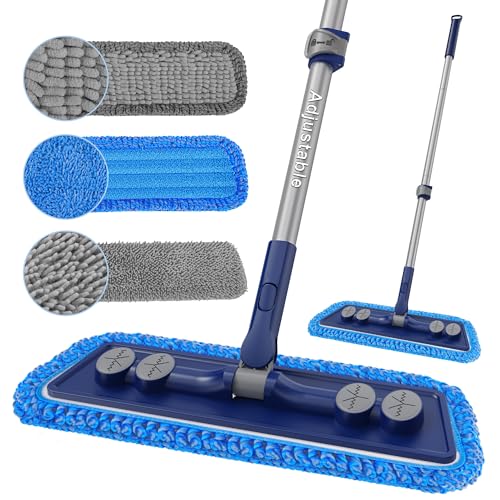
- spray mop hardwood floor cleaner microfiber pad
- microfiber dust mop for hardwood floors
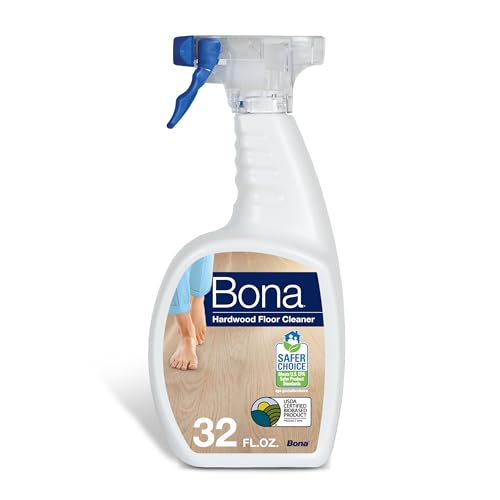
- Bona hardwood floor cleaner spray 32 oz
- wood floor safe cleaning solution spray for bare wood floors

Before You Start
Before cleaning, clear dust and debris by sweeping or dry mopping. Check for loose boards or gaps and address them separately. Avoid using ammonia, vinegar, or wax-based cleaners, which can dull finishes. Work in a small, well-lit area and use a damp, not soaking-wet, microfiber pad. Plan for a cleaning session that allows time for floors to dry completely to prevent warping.
Step-By-Step: How To Clean Bare Wood Floors
- Remove loose dust with a microfiber dust mop to prevent scratching during wet cleaning.
- Prepare a cleaning solution using a pH-neutral hardwood floor cleaner or a wood floor safe spray. Follow label directions for dilution if needed.
- Spray a light mist onto the pad or mop, not directly onto the floor, to avoid excessive moisture.
- Wipe in the direction of the wood grain with even, controlled strokes to lift dirt without removing finish.
- For stubborn spots, apply a little cleaner directly to the pad and target the area with gentle scrubbing.
- Rinse the pad frequently or switch to a clean microfiber pad to avoid spreading dirt.
- Finish with a dry pass using a clean, dry microfiber pad to remove any remaining moisture.
- Allow floors to air-dry completely before walking on them or placing furniture back.
- For routine maintenance, use a spray mop with a microfiber pad for quick cleanups and a fresh appearance.
- Schedule a deeper clean every few months depending on traffic and household pets or kids.
- Store cleaners in a labeled area, away from heat sources and children.
Troubleshooting
| Symptom | Likely Cause | Fix | Prevention |
|---|---|---|---|
| Sticky residue after cleaning | Too much cleaner or wet pad | Wipe with a damp, clean pad and dry thoroughly | Use only a light mist and dry-pass after cleaning |
| Water spots or warping | Excess moisture on bare wood | Wipe up spills immediately; avoid soaking the floor | Use a well-wrung pad and quick dry passes |
| Faded or dull finish | Harsh cleaners or buildup | Switch to a pH-neutral cleaner and deep-clean with proper products | Follow label directions and clean less aggressively |
| Scratches after cleaning | Rough mop pads or sweeping debris | Use microfiber pads; replace worn pads | Dust mop before wet cleaning |
Common Mistakes
- Over-wetting the floor or leaving standing water
- Using generic cleaners with acidic or alkaline formulas
- Neglecting to dry the floor after washing
- Using abrasive pads or tools that scratch the surface
- Cleaning with dirty pads that re-deposit dirt
Tips For Best Results
- Dust regularly with a microfiber dust mop to reduce deep cleaning frequency.
- Test cleaners in an inconspicuous area before full-scale use.
- Rotate cleaning tools to avoid cross-contamination between rooms with different finishes.
- Use the spray method for controlled applications and to minimize moisture exposure.
Call A Professional
Consider a professional if floor finish appears worn, water damage is evident, or you notice peeling or dark spots that don’t respond to routine cleaning. Seek help if there are deep scratches, warped boards, or if you’re unsure about the floor’s finish type and compatible cleaners.
FAQ
What cleaning products are safe for bare wood floors?
Use pH-neutral hardwood floor cleaners or wood floor safe sprays designed for bare wood finishes.
How often should I clean bare wood floors?
Routine dry dusting is recommended weekly, with a light wet clean every 1–2 weeks depending on traffic.
Can I use a steam mop on bare wood floors?
No. Steam can raise moisture levels and damage the finish; avoid steam mops on bare wood.
Is it okay to mop floors with water alone?
Water alone can dull finishes and leave streaks; use a dedicated cleaner with a damp, not wet, pad.
How do I remove stubborn grime from gaps between boards?
Target spots with a slightly damp pad and a mild cleaner, then dry the area thoroughly to prevent moisture intrusion.
Should I wax or buff bare wood floors?
Waxing or buffing is not recommended on sealed bare wood floors unless the manufacturer specifies it.
Can I use household vinegar for cleaning?
Most vinegar solutions are acidic and may dull finishes; stick to pH-neutral cleaners.
What’s the best method for cleaning around baseboards?
Use a microfiber mop or cloth with light cleaner, taking care not to flood the baseboard edge.
Buying Guide
Choosing the right cleaner and tools helps extend the life of bare wood floors. Consider these factors:
- Size and coverage: Choose a gallon cleaner for larger homes or multiple rooms to reduce frequency of purchases.
- Noise level and ease of use: Sprayer mops with microfiber pads offer quick, quiet cleanups without heavy equipment.
- Energy efficiency and eco-friendliness: Look for water-based, low-VOC formulas that are safe for pets and kids.
- Controls and application method: Spray bottles or ready-to-use sprays simplify portion control and reduce over-wetting.
- Placement and storage: Store cleaners away from heat, sunlight, and reach of children; keep pads separated by room to prevent cross-contamination.
- Surface compatibility: Confirm the cleaner is labeled safe for bare wood floors and compatible with your finish.
- Maintenance plan: Pair cleaners with a routine of regular dusting and periodic deep-cleaning for best results.