Condensation on a car windshield can reduce visibility and increase the risk of accidents, especially during cold mornings or humid conditions. This guide explains practical, step-by-step methods to reduce or eliminate fogging using common car supplies and smart maintenance habits. It covers quick fixes and longer-term solutions to keep the windshield clear in varying climates across the United States.
Quick Answer
Best immediate fix: use windshield anti-fog products or wipes, turn on defogger, and ensure interior humidity is controlled. Long-term fix: minimize interior moisture with a dehumidifier or desiccant, and address temperature differentials with proper HVAC settings.
What You’ll Need
- car windshield anti-fog spray 12 oz
- anti fog windshield wipes for cars
- desiccant moisture absorber for car interior 1 lb
- USB powered portable car dehumidifier
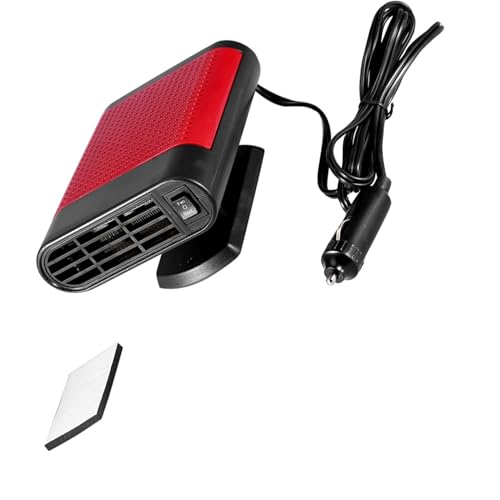
- electric windshield defogger/defroster tool


Before You Start
Before tackling windshield fog, ensure the vehicle interior is safe to operate with the engine running and the HVAC system accessible. Safety note: never drive with a severely compromised rear or side visibility. If the fog is caused by a mechanical issue (failed blower motor, blocked vents, or a leak), address that first or have a professional inspect the HVAC system. Plan for a few minutes to set the climate controls and apply moisture-reducing products. Expect a quick fix for light fog and a longer routine to keep the windshield clear in humid conditions.
Step-By-Step: How To Get Rid Of Condensation On Windshield
- Start the vehicle and turn on the defogger and the highest fan setting. Direct air to both the windshield and side windows to begin moisture removal.
- Use a windshield anti-fog spray or wipes on the interior surface. Follow manufacturer directions and wipe evenly to form a protective film that resists moisture.
- If you notice persistent fog, turn on both AC and heat to create a dry, warm airflow. The aircon helps remove humidity from the cabin atmosphere.
- Place a desiccant moisture absorber or a USB powered portable car dehumidifier inside the cabin to reduce humidity levels over time.
- Check for any moisture sources inside the cabin (wet mats, towels, or spills) and remove or dry them to prevent recurrent fogging.
- Clean the windshield with a dedicated glass cleaner after fogging is under control. A clean surface improves the efficacy of anti-fog products and reduces residue buildup.
- Periodically refresh or reapply the anti-fog treatment as recommended by the product, especially in humid or rainy seasons.
- Consider using electric windshield defogger/defroster tool for targeted clearing on stubborn fog patches, following safety guidelines and device instructions.
- If fog returns after a short drive, repeat the steps and verify there are no HVAC issues, such as blocked vents or a malfunctioning blower.
- Regular maintenance—check weather stripping around doors and ensure windows seal properly—helps minimize moisture intrusion that leads to fogging.
- For recurring fog in cold weather, pre-condition the cabin before driving by running the heater for a few minutes while the interior level of humidity is controlled.
Troubleshooting
| Symptom | Likely Cause | Fix | Prevention |
|---|---|---|---|
| Fog returns quickly after clearing | High cabin humidity | Use desiccant and fan on high; reapply anti-fog | Keep mats dry; wipe spills promptly |
| Fog on interior pane but not exterior | Interior condensation buildup | Ventilate, enable AC, and use anti-fog film | Regular interior cleaning; monitor humidity |
| Defogger blows warm air but fog persists | Moisture trapped behind dashboard or vents | Inspect vents and seals; consider dehumidifier | Avoid hot, humid storage environments |
| Anti-fog spray leaves streaks | Residue buildup on glass | Wipe with clean microfiber after application | Clean windshield before treatment |
Common Mistakes
- Relying on a single anti-fog spray for all conditions without reapplication
- Blocking vents or using recirculated air in humid conditions
- Ignoring interior moisture sources like wet fabrics or spilled drinks
- Neglecting regular windshield cleaning, which can worsen fogging
Tips For Best Results
- Apply anti-fog products to a cool, dry windshield for better adhesion and effectiveness.
- Use a dehumidifier or desiccant whenever the car sits in a humid environment or during rainy seasons.
- Balance heat and airflow: on humid days, run AC to dry the air while warming the glass to reduce condensation quickly.
- Keep windshield wiper blades in good condition to ensure maximum visibility when fog occurs on the exterior.
- Store moisture-absorbing materials in the vehicle without obstructing visibility or controls.
Call A Professional
Consider professional help if condensation is persistent despite using anti-fog products and dehumidification, or if you suspect HVAC or seal leaks. Stop driving and seek service for any signs of HVAC failure, water intrusion, or damaged windshield seals, as these can indicate safety risks beyond routine fogging.
FAQ
What causes windshield condensation to form?
Condensation forms when moist interior air contacts a cooler glass surface, causing water droplets to appear on the windshield.
Can anti-fog sprays damage the glass?
Most products are formulated for glass and are safe when applied as directed; follow usage instructions to avoid streaks or residue.
Is a dehumidifier worth it for occasional fog?
Yes, especially in humid climates or for vehicles that accumulate moisture; a USB powered dehumidifier is convenient for regular use.
Should I crack a window to reduce fog?
Cracking a window briefly can help balance humidity and air exchange, but use it cautiously in extreme temperatures or poor visibility conditions.
Buying Guide
When choosing products to manage windshield condensation, consider several buying factors to optimize visibility and comfort.
Size and fit: Select anti-fog sprays or wipes that are suitable for automotive glass and easy to apply on the windshield without leaving streaks.
Noise level and energy use: USB powered dehumidifiers provide continuous moisture control without significant noise or energy drain, ideal for daily use.
Energy efficiency: If using a car dehumidifier, look for models with low power draw and automatic shutoff to prevent battery drain.
Controls: Simple interfaces with clear indicators help users adjust humidity and airflow quickly, especially in changing weather.
Placement and practicality: Keep desiccants and dehumidifiers within reach but not obstructing the driver’s view or controls.
For a balanced setup, combine a fast-acting anti-fog solution for immediate clearing with ongoing humidity management through desiccants or a USB dehumidifier, plus routine cabin maintenance. This approach minimizes fog across a wide range of temperatures and humidity levels, helping drivers maintain clear sightlines on busy American roads.