Maintaining a clean Skip Hop activity center seat helps keep baby’s playtime safe and hygienic. Regular cleaning reduces buildup from snacks, spills, and saliva, while preserving the fabric and overall function of the toy center. This guide walks through practical steps, safe products, and best practices tailored for American households.
Quick Answer
Remove loose debris, wipe down surfaces with a non-toxic baby-safe cleaner, use a microfiber cloth for fabrics, and treat stains with a gentle, non-toxic stain remover. For tough fabric spots, a soft brush helps lift grime without damaging materials. Always check the product labels for safety guidance before cleaning.
What You’ll Need
Prepare these tools and cleaners to clean the Skip Hop activity center seat effectively. Use the provided product keywords to source suitable items.
- Skip Hop activity center seat cleaning brush
- baby toy cleaning brushes set
- non-toxic baby-safe cleaner spray for activity centers
- microfiber cloth for infant seat fabric cleaning
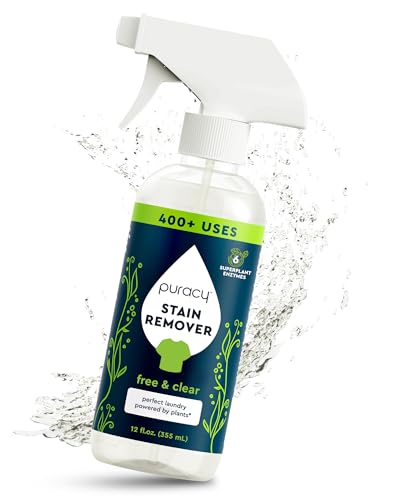
- stain remover for baby gear fabric (non-toxic)


Before You Start
Clear the play area and unplug the activity center if applicable. Remove the seat from the frame following the manufacturer’s instructions. Test cleaning products on a small, inconspicuous area first to avoid discoloration. Allow surfaces to air dry completely before reassembly. Time estimates: 15–30 minutes for routine wipe-downs; 45–60 minutes for a full fabric refresh.
Step-By-Step: How To Clean A Skip Hop Activity Center Seat
- Disassemble as needed: Detach the seat from the base and remove any removable fabrics per the user manual.
- Dry wipe: Use a dry microfiber cloth to lift loose crumbs and dust from fabric and plastic surfaces.
- Prepare cleaning solution: Lightly mist the non-toxic baby-safe cleaner spray onto a microfiber cloth, not directly onto fabrics, to avoid oversaturation.
- Wipe hard surfaces: Gently wipe all plastic trays, toys, and frame with the damp cloth to remove sticky residues.
- Spot clean fabric: For stains on the seat fabric, apply a small amount of stain remover for baby gear fabric (non-toxic) to a cloth and dab—do not rub aggressively.
- Detail with a brush: Use the Skip Hop activity center seat cleaning brush or baby toy cleaning brushes set to reach seams and small crevices where grime hides.
- Rinse and blot: If your cleaner leaves any residue, wipe again with a clean, damp microfiber cloth and blot dry with a dry towel.
- Air dry completely: Allow all parts to dry fully before reassembling to prevent mold and mildew growth.
Troubleshooting
| Symptom | Likely Cause | Fix | Prevention |
|---|---|---|---|
| Fabric remains damp after cleaning | Over-wetting fabric | Wipe with a dry microfiber cloth and air dry longer | Use minimal spray and avoid saturating |
| Stains reappear after drying | Stain not fully removed | Apply a small amount of non-toxic stain remover and re-clean | Treat stains promptly |
| Color fading on fabric | Harsh cleaners | Switch to a milder, baby-safe cleaner | Test patch first |
| Sticky plastic surfaces | Residue from cleaners | Wipe with a damp cloth, then dry | Rinse with minimal product usage |
Common Mistakes
- Cleaning with harsh chemicals not labeled for baby gear
- Soaking fabric sections, leading to mildew
- Using rough brushes on delicate fabric, causing pilling
- Not drying parts completely before reassembly
Tips For Best Results
- Clean regularly; quick weekly wipes prevent buildup and make deep cleaning easier.
- Keep a dedicated microfiber cloth for infant fabrics to avoid cross-contamination.
- Store cleaning products out of reach and ensure lids are secure after use.
- Always follow the seat’s care label instructions for fabric and plastic care.
- Use a soft brush to dislodge debris from crevices without damaging stitching.
Call A Professional
When cleaning concerns involve unknown stains, lingering odors, or fabric damage beyond typical wear, contact a pediatric-safe cleaning professional or the manufacturer’s service line for guidance. Seek professional help if you notice mold growth, persistent stains, or fabric tears that could affect safety or performance.
FAQ
What cleaner is safe for Skip Hop activity center seats?
Choose a non-toxic, baby-safe cleaner spray specifically labeled for infants and toys. Always test on a hidden area first.
Can I machine-wash the seat fabric?
Most activity center seat fabrics are not machine washable; follow the manufacturer’s care instructions and use spot cleaning as needed.
How often should I deep clean an activity center seat?
Deep clean every 1–3 months, or sooner if the surface collects frequent spills and crumbs.
Is it safe to use bleach or ammonia on the seat?
No. Bleach and ammonia can degrade fabrics and plastics and may irritate a baby’s skin. Use non-toxic alternatives instead.
How do I remove stubborn stains?
Apply a small amount of stain remover for baby gear fabric (non-toxic) to a cloth, blot the stain, and repeat as needed.
Should I disinfect after cleaning?
Disinfection is not typically necessary for routine cleaning, but you can follow up with a baby-safe sanitizer spray if recommended by the product label and allowed for baby gear.
How long does it take for the seat to dry completely?
Air drying usually takes 30–60 minutes for plastics and 1–3 hours for fabrics, depending on ventilation and humidity.
Buying Guide
When considering products to assist with cleaning a Skip Hop activity center seat, focus on factors like size compatibility, cleaning efficacy, and safety.
- <bSize and fit: Ensure brushes and cloths are safe for the seat’s fabric and crevices. Flexible brushes help reach tight seams without tearing stitching.
- <bNoise and efficiency: Quiet, quick-acting sprays minimize disruption during baby playtime and reduce cleaning time.
- <bEnergy efficiency: Not a major factor for cleaning tools, but select reusable microfiber cloths to minimize waste and prolong product life.
- <bControls: Simple spray-and-wipe designs with clear labels help parents avoid overuse and misuse.
- <bPlacement: Store cleaning supplies in a cool, dry place away from children, yet accessible for quick cleanup after feeding or play sessions.
Compare kits that include a dedicated cleaning brush and non-toxic cleaner combinations for fabric and plastic surfaces. Consider whether a microfiber cloth set is included, and verify that cleaners are labeled safe for infant use. Do you want a compact, all-in-one kit or modular tools you can add to over time? A practical choice balances safety, ease, and cost while delivering reliable results for ongoing care.